







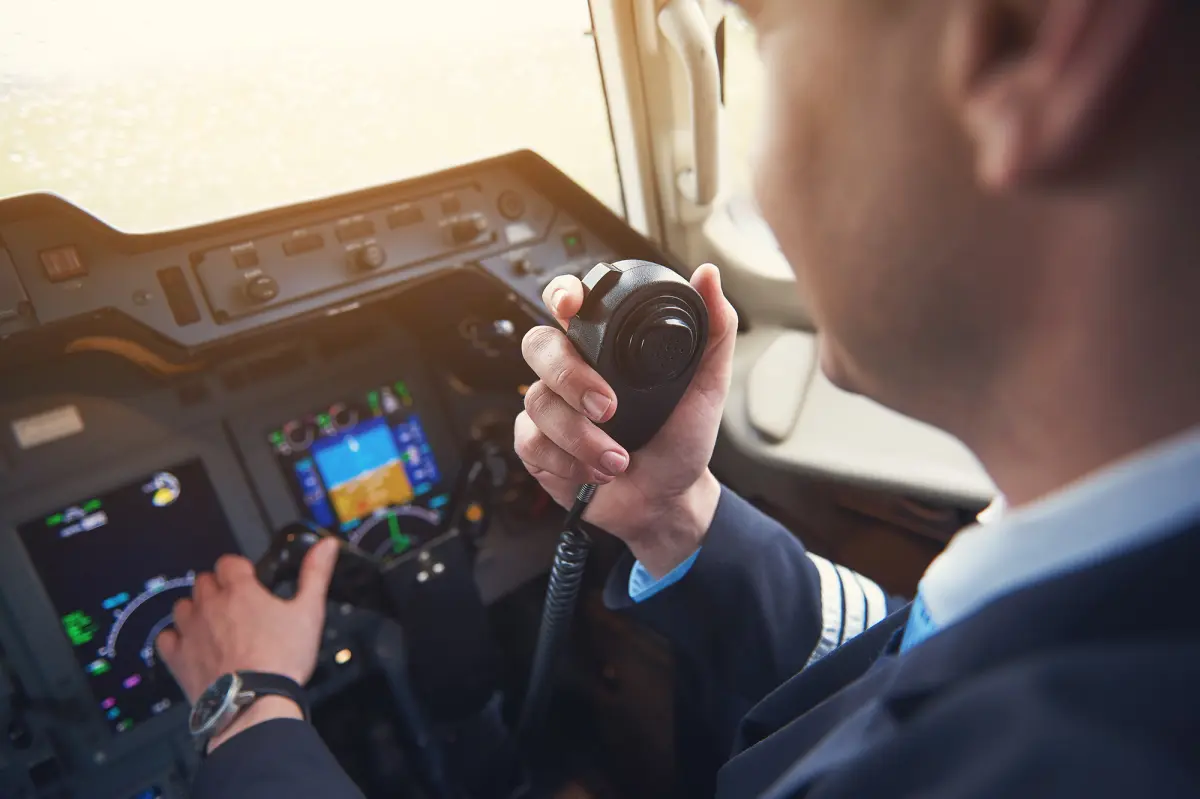
The Thrill of Eavesdropping on the Skies: A United Airlines Passenger’s Unintended Adventure
You know that feeling when you’re stuck on a long flight, scrolling through endless movie options, and suddenly stumble upon something unexpectedly real? That’s what happened to one lucky—or perhaps unlucky—United Airlines passenger on an Airbus A319. Imagine being halfway through your in-flight snack, headphones on, thinking you’re diving into some cinematic escape, only to realize you’re plugged into the actual cockpit world. For a full 2.5 hours, this passenger wasn’t watching a thriller; they were living one. They tuned into private conversations between the pilot and copilot, eavesdropping on everything from daily grumbles and family stories to cursing under their breath about flight stressors. It wasn’t scripted drama—it was raw, unfiltered life in the air, complete with mentions of kids’ soccer games, random mountain ranges passing below, and even hints at unreported hiccups from past flights. The poster, sharing their tale on the r/unitedairlines subreddit, asked if this was normal luck or a common glitch. Turns out, it was neither a fluke nor a universal perk; it was the quirky charm of Channel 9, an audio feed on select United planes that lets you tune into air traffic control chatter. But this time, the feed reportedly included intra-cockpit talk, turning a routine flight into an intimate peek behind the curtain. I’ve flown countless times, and while I’ve joked about wanting to know what’s really going on up front, hearing about this makes me feel a mix of envy and unease—would I handle overhearing pilots’ personal gripes mid-turbulence? It’s intriguing how technology can blur the lines between audience and performers in the theater of the skies.
Diving deeper into the passenger’s story, picture this: you’re reclined in seat 12B, earbuds in, flipping through the entertainment menu like it’s just another Netflix queue. Channel 9 pops up—not as a blockbuster, but as a live loop of the pilots’ world. At first, it might seem like background noise, the dull hum of radios and checklists. But soon, you’re hooked. The captain’s voice cracks jokes about a “hell of a kid” who’s obsessed with video games, while the first officer grumbles about the endless paperwork piling up back at base. They talk terrain like old navigators: “Look at that ridge—reminds me of that one flight over the Rockies where we had to dodge a storm quicker than you can say ‘Serengeti landing.'” And the curses? They slip out during a bumpy patch, nothing vicious, just the sigh of someone venting frustration at Mother Nature. The passenger described it as gossip extraordinaire, full of unreported “incidents”—maybe a near-miss with wildlife or a tricky diversion that never made the passenger announcement. It’s humanizing, really; pilots aren’t robots—they’re parents, travelers, folks with inside jokes and daily dramas. I recall once flying through a thunderhead myself, and I can only imagine how reassuring—or terrifying—it would be to hear the crew chatting casually through it. This eavesdropper turned their flight into a personal documentary, and while they questioned if it was lucky, it feels more like a window into the brotherhood of aviators, making the miles feel a tad less impersonal.
Now, Channel 9 isn’t some secret hack; it’s actually an intentional feature on certain United flights, aimed at transparency or perhaps just better passenger savvy. The Post contacted United for insight, and while they didn’t spill all the details, it’s clear this audio channel allows listeners to pick up on controller-pilot exchanges, like flight clearances, weather briefings, and approach instructions. On this particular A319, though, the line must’ve crossed, broadcasting internal conversations too—likely a mix-up in the system’s audio routing. It’s reminiscent of old-school aviation where passengers used to tap into similar feeds for real-time updates, before streaming took over. Imagine being on a flight in the 80s or 90s, tuning into the static-laden radio talk to get the scoop on delays before the captain announced it officially. This passenger’s experience reignites that nostalgia, reminding us how the skies were once less sanitized. In my travels, I’ve wished for something like this during a long delay at a hub like O’Hare—knowing exactly why we’re circling would ease the panic. But there’s a flipside: hearing pilots break protocol could spark worry. Is it comforting to know the human element behind the profession, or does it make you question the professionalism? United’s setup seems designed for information, but this slip-up turned it into eavesdropping gold, transforming a mundane trip into a story-worthy event that had folks buzzing on Reddit.
Reddit took this anecdote and ran with it, turning the original post into a thread of shared memories and expert insights. Commenters piled on, sharing their own Channel 9 encounters, painting a picture of a feature that’s equal parts relic and revelation. “It used to be everywhere,” one user reminisced, recalling how back in the day, every flight had that audio option, a staple among the maps and trivia games. They loved how it delivered insider alerts: turbulence warnings 20 minutes out (“Head to the bathroom now if you need to!”), or heads-up on diversion routes due to weather. Another chimed in about long-haul flights where Channel 9 became their reading soundtrack—distracting enough to ignore the monotony, informative enough to feel prepared. One poster admitted using it during rough patches: “Heard we’re changing altitude for smoother sailing—it reassured me things were under control.” These stories add layers to the original, showing how what started as an accident for our passenger might’ve been a deliberate choice for others. It’s human nature to seek connection, even in isolation at 30,000 feet. I think of my own flight anxieties—knowing the pilots are chatty humans, not stoic figures, could either build trust or amplify doubts. The thread breathes life into aviation history, reminding us that behind every safety briefing is a crew with lives beyond the yoke.
But not all revelations were rose-tinted; some comments highlighted the edgier side, especially post-9/11 when stricter protocols were enforced. One user recalled a similar “accident” years ago, where the stereo picked up not just ATC, but full cockpit whispers. They were floored by pilots ignoring the “sterile cockpit rule,” which mandates silence below 10,000 feet to focus on takeoff and landing. Instead, the crew chatted idly—about weekend plans, perhaps, or trivial complaints—leading the listener to ponder safety standards. It was eye-opening, they said, shattering illusions of unwavering discipline. In this context, our United passenger’s experience wasn’t just about personal yarns; it underscored how even seasoned pilots slip into casual mode during cruise, chatting like coworkers in an office break room. I’ve always wondered about those rules—do they make flights safer, or do they add unneeded stress? The Reddit crowd’s takes make it relatable; pilots are people too, juggling high-stakes jobs with the mundane. Yet, it raises questions: Should passengers have access to such unfiltered access if it means hearing breaches of protocol? It humanizes the industry, showing pilots as fallible, funny, and familial, but also prompts reflection on the balance between transparency and security in our skies.
In the end, this United flight tale isn’t just about a quirky audio glitch—it’s a mirror to how technology intertwines with human stories, turning an airplane into a community eavesdrop. From the passenger’s 2.5-hour immersion to the nostalgic nods on Reddit, it reminds us that flying isn’t just about getting from A to B; it’s about the unseen narratives unfolding above. Who needs in-entertainment when life’s dramas play out live? For me, it evokes memories of family trips where dad would explain weather patterns from overheard ATC, turning fear into fascination. While not every flight offers Channel 9, and safety rules rightly prioritize focus, stories like this encourage us to appreciate the people in the cockpit—not as automatons, but as individuals with backstories and banter. Next time you’re cruising at altitude, glance at the entertainment menu. You might just tune into a world of accidental intimacy, full of terrain tales and turbulent jokes. And if you land on Channel 9 by mistake, embrace it—it’s a rare glimpse into the heart of aviation, proving that even at 500 miles per hour, humanity’s conversations soar highest of all.