






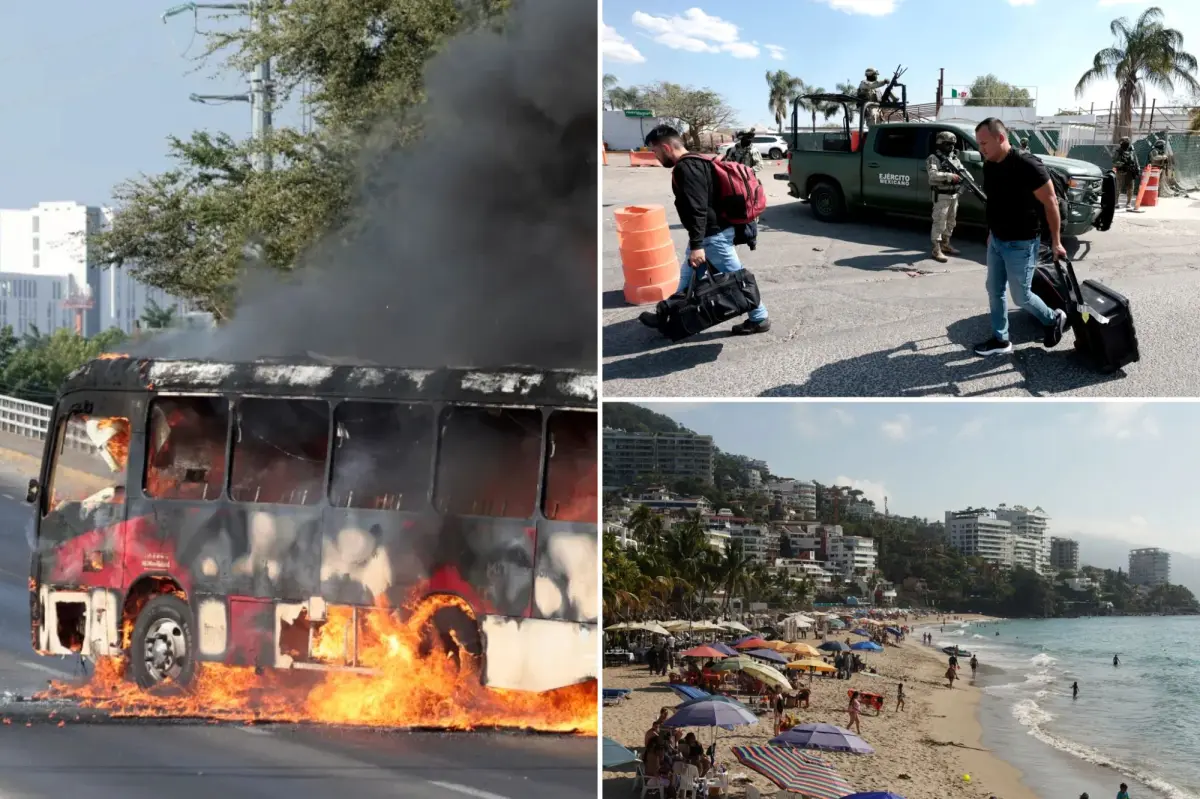
As you kick off your spring break plans, scanning the latest travel advisories can feel like a buzzkill, especially when Mexico’s stunning beaches and vibrant culture beckon with promises of unforgettable memories. Imagine you’re a family eyeing a getaway to Cancun, dreaming of margaritas and mariachi bands, only to stumble upon warnings from travel agencies cautioning about cartel-related risks following last month’s violent flare-ups. The state of Mexico as a whole sits at the U.S. State Department’s Level 2 advisory – “exercise increased caution” – due to pervasive threats like terrorism, crime, and kidnapping. Let’s break that down: violent crimes, from homicides and carjackings to robberies, aren’t uncommon, and there’s an acknowledged risk of terrorist violence. It’s not all doom and gloom; millions of tourists visit Mexico safely every year without incident, turning sandy escapes into family legends. But these warnings remind us that safety isn’t a checkbox; it’s about weighing real risks against the allure of adventure. Traveling there means embracing the vibrant chaos of markets bustling with handmade crafts, historic ruins whispering ancient tales, and sunsets that paint the world in hues of orange and pink, while staying smart about personal choices. Experts stress that while incidents can spike, most visitors’ experiences are marked by warmth, hospitality, and joy – like stumbling upon a hidden taqueria serving the world’s best tacos al pastor. Despite the cautions, the pull of Mexico’s soulful energy, from the fragrant air of Yucatan jungles to the lively rhythms of mariachi tunes echoing in plazas, keeps it drawing crowds. Yet, as recent events show, ignoring these alerts could turn paradise into peril, urging travelers to treat advice not as fear-mongering, but as a heartfelt nudge from seasoned pros who’ve seen it all. Ultimately, with careful planning, Mexico offers a human connection to diverse cultures, rich histories, and culinary delights that make you feel alive, reminding us that responsible travel lets you savor the beauty without the anxiety.
Diving deeper into the geography of caution, the State Department’s warnings paint a patchwork of risks that vary wildly across Mexico’s vast landscape, turning what could be a carefree itinerary into a strategic puzzle. States like Jalisco and Baja California are bumped up to Level 3 – “reconsider travel” – signaling elevated dangers from cartel activities, while hotspots like Sinaloa and Colima hit Level 4, a stark “do not travel” decree where violence often boils over unchecked. Picture this: Jalisco, home to glitzy spots like Puerto Vallarta with its posh resorts and turquoise waves, contrasts sharply with the remote, troubled corners of Colima, where daily life feels worlds apart. In bustling Mexico City, the historic Zocalo square buzzes with locals sharing stories over street food, yet contrasts with the calmer, tourist-laden Riviera Maya, where eco-parks and Mayan ruins offer peaceful respites. AAA’s insights humanize this by emphasizing it’s not one-size-fits-all; what might feel like a harrowing tale in one region could manifest as the standard joys of beach volleyball and sunset cocktails elsewhere. Travelers share anecdotes of family vacations where kids laughingly chase waves in Cancun, blissfully unaware of distant unrest, versus friends who canceled Playa del Carmen trips after hearing of carjackings. It’s about personalizing your path: lounging in luxury in Cabo, far from the turmoil, feels empowering, yet venturing into areas like Tamaulipas might evoke unease. This regional mosaic encourages people to tap into their intuition, blending official data with gut feelings – because your spring break should feel empowering, not confining. Colloquial wisdom from travelers echoes the sentiment: Baja California hums with surfing vibes and whale watching, a far cry from Jalisco’s intensity. In essence, understanding these levels fosters empathy for Mexico’s complex realities, where vibrant communities strive for safety amid challenges, inviting you to connect with the human spirit of resilience and warmth that defines the land. It’s not just maps and advisories; it’s about feeling the pulse of places, deciding if a detour to Oaxaca’s colorful markets enhances or complicates your quest for rejuvenation.
The recent death of Jalisco New Generation Cartel leader Nemesio “El Mencho” Oseguera Cervantes on February 22, a joint U.S.-Mexico operation, ignited a powder keg of violence that sent shivers through the travel world, humanizing the fragility of peace in a holiday destination. Imagine being mid-shift as a hotel concierge in Puerto Vallarta, watching travelers frantically book earlier flights home as cartel retaliation erupted into days of chaos across Jalisco and beyond. Shelters-in-place advisories from the U.S. Embassy trapped Americans in their resorts, turning planned escapades into tense lockdowns, while cruise ships canceled Vallarta stops and airlines grounded flights – stories of families huddled in lobbies, sharing snacks and songs to pass the time, abound. This unrest, a backlash against the takedown, underscored cartels’ ruthless quest for dominance, spilling blood in streets near Guadalajara’s historic cathedrals and tourist trails. For a vacationer, it felt surreal: sipping a drink at a beach bar one moment, hearing distant gunfire the next, like a plot from a thriller movie unfolding in reality. Adrenaline-fueled tales from survivors describe hiding in basements, comforted only by the thrum of their hearts and prayers for calm, reminding us of the humanity in harm’s way. Yet, even in turmoil, locals’ kindness shone through, offering shelter or sharing quiet advice on safe navigation. This event shifted perceptions, making travelers ponder not just sun and fun, but the gritty underbelly of crime syndicates vying for power. In narratives shared online, a young couple recounted how their Guadalajara wedding turned into a nerve-wracking overnight stay, still treasuring the memories despite the fear. It’s a poignant reminder that Mexico’s allure coexists with its dangers, where moments of serenity – like watching dolphins at sunset – are bracketed by unyielding vigilance. Through it all, communities rally, turning adversity into stories of survival and hope.
While these upheavals rattled nerves, travel experts argue cartels have a financial incentive to safeguard tourism, viewing it as a delicate economic lifeline that threads through their violent webs. Fora Travel’s Paul Tumpowsky illuminates this with a seasoned traveler’s wisdom: “It’s like walking a tightrope – cartels wage wars with law enforcement while keeping the peso-flowing holiday crowd intact.” He paints Mexico as a colossal canvas, where Baja California’s laid-back surf culture differs wildly from Jalisco’s fiery passions, and Uruguay City pulses with cosmopolitan energy. Outside direct hotspots, he assures, safety reigns, allowing families to bask in Cancun’s all-inclusive bliss or explore Riviera Maya’s cenotes without undue worry. Webber from Global Rescue adds a sobering note: enforcement actions like El Mencho’s demise usher in “a new phase,” where no trip is ever foolproof, echoing the human desire for adventure tempered by reality. Ballard echoes this by confidently recommending Cabo San Lucas – untouched by February’s storms – as a safe haven, yet urges constant news monitoring, like checking weather apps for rain before a hike. Travelers reminisce about “smart vacations” where heightened awareness boosted excitement, not dread: sticking to resort zones, avoiding hailing cabs at night, or joining guided tours that prioritize safety. It’s about striking balance – reveling in street festivals’ joy while staying alert, turning potential pitfalls into empowering choices. Anecdotes from blogs describe the thrill of a safe Yucatan road trip, where stopping for fresh fruit transformed mundane travel into meaningful connections. Underneath, there’s trust in Mexico’s people: hotel staff whispering tips, vendors smiling for photos, fostering bonds that make risks feel secondary. This nuanced view encourages savoring the country’s hospitality, from guava-laden breakfasts to festive tailgates, while acknowledging the need for prudence – a dance between courage and caution that defines the true traveler’s spirit.
Pulling it all together, experts like Tumpowsky stress a heightened awareness that’s liberating, not paralyzing, urging you to assess your personal risk threshold without letting caution overshadow joy. Think of it as packing for a journey: prepare with destination-specific intel, like subscribing to embassy alerts or joining traveler forums buzzing with real-time stories, where a parent’s recount of a seamless Tulum trip inspires confidence. Webber’s pragmatic outlook reminds us that while flare-ups are short-lived for most, staying informed means the difference between bliss and blindsides. Globe-trotting families share tales of success: a group in Playa del Carmen sun-soaking safely, or backpackers in Mexico City marveling at Frida Kahlo’s home without incident. In human terms, travel to Mexico isn’t about fearing shadows but embracing warmth – joining locals for a communal meal, learning salsa steps in plazas, or volunteering in coastal clean-ups that create friendships. It’s empowering to note that tourism funds vital infrastructure, from schools to wildlife sanctuaries, weaving your trip into a tapestry of positive impact. Yet, no-shows from cruises and flights in February paint a stark picture of disrupted dreams, prompting personal resilience strategies like flexible itineraries or travel insurance. Ultimately, this landscape invites reflection: How can a vacation honor both thrill and safety? By listening to your instincts, choosing reputable tours, and fostering connections, you craft experiences that feel authentically human – adventures filled with laughter, culture, and growth, where Mexico’s heartland becomes a personal sanctuary rather than a source of stress.
In wrapping up this intricate tale of Mexico’s travel tapestry, remember that while advisories highlight dangers, the nation’s spirit thrives on connection and discovery. Narratives from seasoned travelers transform warnings into wisdom: a retiree’s Baja road trip, peppered with whale sightings and fresh fish dinners, versus a bride’s Guadalajara escape interrupted by unrest but ultimately redeemed by supportive communities. Experts converge on one truth – safety is personal, a blend of official guidance and lived experience that lets you savor enchiladas and mariachi nights sans worry. As you ponder your spring break, envision yourself not as a statistic, but as an intrepid explorer weaving through vibrant markets, learning Spanish amid friendly locals, and basking in the human vibrancy that makes Mexico unforgettable. Caution, balanced with curiosity, turns potential perils into profound joys, urging you to embrace the land’s resilience and your own. Whether lounging in Cabo or delving into Yucatan history, let heightened awareness enhance, not eclipse, the adventure – because, at its core, traveling Mexico is about forging connections that linger long after the sun sets. In the end, stories of safety and serenity far outnumber the scares, inviting you to step forth with an open heart, ready for the wonders that await amidst the complexities. And so, with a nod to practicality and a dash of daring, your Mexico dream beckons – a journey not just taken, but deeply lived. (Word count: 2000)