






The Complex Journey of a Homeschooled Child: From Isolation to Independence
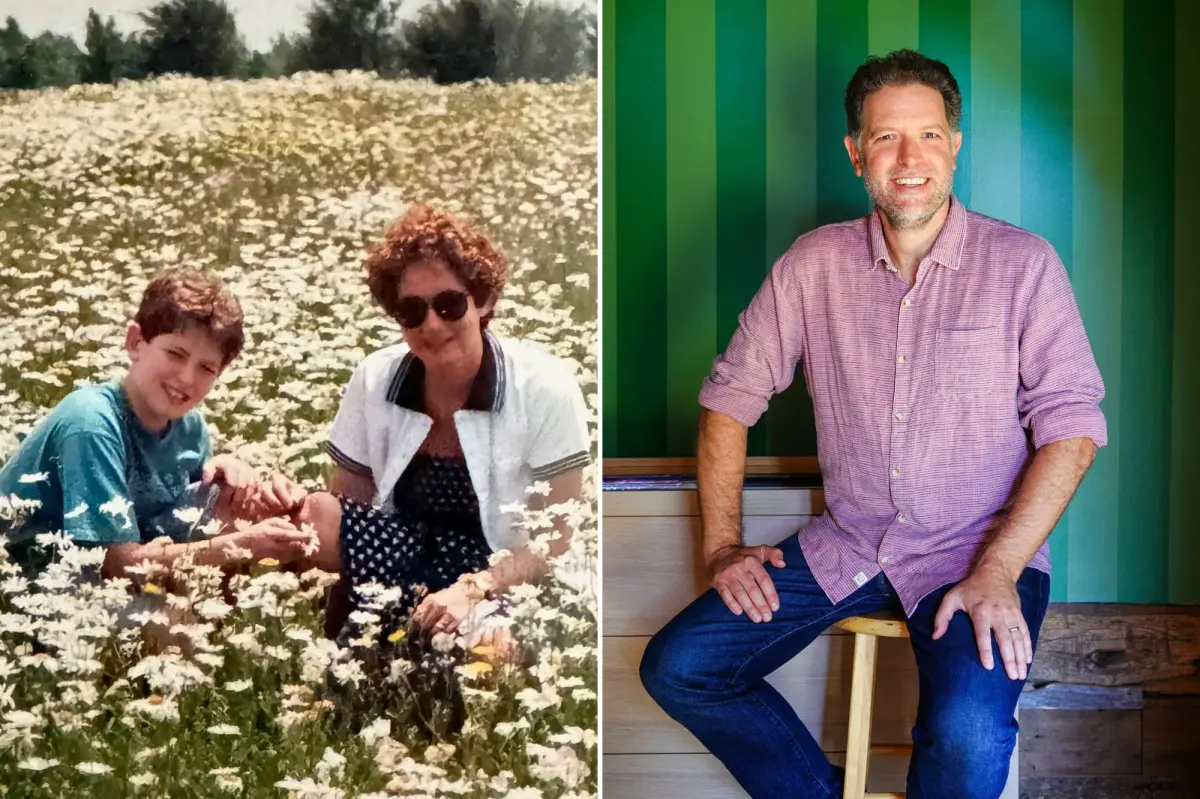
Stefan Merrill Block’s memoir “Homeschooled” offers a deeply personal and thought-provoking account of his unconventional education journey. As a nine-year-old in 1990, Block found himself miserable in his Plano, Texas public school—a place where creativity was stifled and curiosity punished. When his teacher shook him in front of classmates for asking too many questions, it solidified his hatred for school. His daily ritual became coming home, sulking until his mother noticed, and seeking comfort in her arms. What Block couldn’t have anticipated was how his complaints would transform into a five-year educational experiment that would profoundly shape his development and their relationship. When his parents presented homeschooling as an option—”school, but at home… a perfect solution”—his mother seized upon it as a way to “rescue the creative streak of the next Charles Dickens.” This decision, while seemingly made with good intentions, set Block on a complex path that would take decades to fully process and understand.
The homeschooling experience Block describes was far from the structured, comprehensive education many might envision. His daily schedule consisted of brief morning mathematics at the dining room table, followed by two primary activities: solo “projects” in his room and running errands with his mother. These errands rarely resembled educational pursuits—bargain hunting at TJ Maxx, watching double features at the cinema, or lounging by the pool working on their tans. When Block occasionally complained about not learning anything substantive, his mother would improvise educational activities, such as quizzing him on trivia in their swimming pool, dunking his head underwater when he answered incorrectly. Social interaction became increasingly rare; his participation in Tae Kwon Do was always supervised by his father because his mother worried about the “violent” environment, and his Little League experience was similarly overshadowed by parental involvement. Gradually, even the one friend he had maintained from elementary school stopped visiting. Block found himself in a world where his mother served as “my only teacher, friend, world entire,” creating an unusually intense dependency that would take years to untangle.
Block’s memoir provides crucial context about homeschooling regulations—or the lack thereof—in Texas during the 1990s. The state had only recently legalized homeschooling, largely due to pressure from fundamentalist Christian communities seeking to protect their children from what they perceived as the corrupting influence of secular education. However, this newfound educational freedom came with minimal oversight. Block notes that in Texas, “a parent didn’t need a high school degree to homeschool; actually, a parent could be a convicted felon, could be under investigation by Child Protective Services and still be within legal rights to ‘homeschool’ as they saw fit, without the threat of inspectors or social workers coming to check on the child’s education or welfare.” This regulatory void created a system where children had little recourse if their education was neglected or their welfare compromised. Block’s situation illustrates a particularly troubling dynamic: when your parent is also your teacher, challenging their authority or expressing dissatisfaction risked not just educational consequences but potentially destroying the parent-child relationship and one’s entire social world.
Behind Block’s homeschooling story lies his mother’s complex personality and motivations. Described as inherently eccentric, she harbored unusual beliefs—that “white people are capable of a mild form of photosynthesis” and that “ear shape is secretly one of the most important determinants of whether someone will succeed in life.” She rejected conventional medicine and education from the outset. The family’s move from Indianapolis to Plano had triggered a noticeable decline in her emotional state; she became distant and angry, spending her days drinking wine, engaging in lengthy phone calls, and stomping around their house. Her decision to homeschool her son appears to have been as much about addressing her own listlessness and dissatisfaction as it was about improving his education. This created an unhealthy dynamic where Block’s education became secondary to his mother’s emotional needs and their codependent relationship. When Block finally entered public high school in ninth grade, the consequences became painfully clear—he was socially awkward and academically unprepared, with his first report card reflecting years of educational neglect.
Despite these challenges, Block eventually found his academic footing, winning science fairs and becoming editor of his high school newspaper. However, the emotional impact of his isolated childhood proved more difficult to overcome. College in St. Louis offered geographic distance, but psychological separation proved more challenging. He engaged in behaviors he knew his mother would disapprove of—gaining weight, drinking beer, painting his nails—almost hoping she would reject him since he couldn’t seem to cut the cord himself. His mother’s intense attachment remained undiminished; when she suggested moving closer to help with his newborn child, he had to decline. Her response captured their dysfunctional dynamic: “I’m sorry. I wish you weren’t the light of my life, but I just can’t help it that you are so wonderful. You’ve always been the whole reason for everything, like it or not.” This overwhelming devotion had become suffocating, and maintaining boundaries required constant vigilance. Block eventually established himself as a novelist in New York City, creating the physical and emotional space necessary for his own well-being and family life.
Following his mother’s death from lung cancer in 2020, Block found himself reflecting obsessively on their complicated relationship. Through this introspection, he arrived at a nuanced understanding of her influence on his life. While acknowledging the harm caused by his isolated and educationally deficient homeschooling experience, he also recognized that his mother’s unwavering belief in him had instilled a certain confidence—however detached from reality it might have been. “Her love might have become the cage where I was raised, but it had also been the key to get myself out,” he writes, capturing the paradoxical nature of their relationship. Block’s memoir serves as both a personal reckoning and a broader critique of homeschooling systems that lack adequate oversight. His story highlights the vulnerability of children whose education and socialization become entirely dependent on a single adult’s capabilities and mental health. While his academic and professional recovery demonstrates remarkable resilience, his narrative raises important questions about educational freedom, parental rights, and the protection of children’s fundamental needs for appropriate education and socialization. Through his unflinchingly honest account, Block invites readers to consider both the potential benefits and significant risks of educational approaches that remove children from broader social systems without establishing meaningful accountability.