






The Scary Side of Valentine’s Day Romance
As we gear up for Valentine’s Day, a holiday steeped in love, chocolates, and intimate celebrations, it’s hard not to think about the bliss of romantic connections. But what if I told you there’s a hidden, unwelcome guest crashing the party this year? It’s not a jealous ex or a forgotten anniversary—it’s a sexually transmitted fungus called Trichophyton mentagrophytes genotype VII, or TMVII for short. Picture this: You’re planning a cozy night in with your partner, perhaps exploring new levels of intimacy, only to discover that something nasty could be lurking. Experts are sounding the alarm about what they’re calling the largest known outbreak of this fungal STI, which spreads through close skin-to-skin contact during sex. It started gaining traction in Europe a few years ago, especially among men who have sex with men, and now it’s making waves in the US. The first case hit New York City in 2024, and by July 2025, it had popped up in the Midwest, sparking concerns about its rapid spread. In Minnesota alone, there have been 13 confirmed infections and 27 suspected ones, turning what should be a season of hearts and flowers into a cautionary tale. As someone who’s navigated their fair share of awkward dating moments, I can imagine the dread of realizing a fun encounter could lead to weeks of discomfort. TMVII isn’t just any rash; it’s a fungal infection passed through bodily fluids during sexual activities, and it’s got people in the medical community scrambling to educate the public. While the overall risk is low, certain groups—like those in the LGBTQ+ community, app-based daters, or people with a history of STIs—might want to tread a bit more carefully. It’s a stark reminder that in our fast-paced world of hookups and love stories, health doesn’t always get the spotlight it deserves. I remember hearing about stories from friends who dealt with STIs before, and they always emphasized how early knowledge could have saved them hassle. So, as Valentine’s approaches, maybe consider this a nudge toward safer practices: Communicate openly with partners, get tested regularly, and don’t let romance blind you to real-world risks. After all, love should feel good, not itchy and infectious.
Unpacking the Fungus Behind the Fear
Diving deeper into TMVII, it’s fascinating—and frankly, a bit freaky—to learn that this is the only known fungus spreading like a typical STI. Unlike bacteria or viruses, fungi like this one thrive in moist, warm environments, making intimate zones prime real estate for trouble. On a personal note, I’ve always found fungi a bit mysterious; we hear about athlete’s foot or yeast infections now and then, but a sexually transmitted one? It feels like something out of a sci-fi plot. Researchers first spotted TMVII ramping up in Europe, particularly affecting gay men, which points to how sexual networks can amplify outbreaks. The fungus doesn’t discriminate based on orientation, but patterns show it’s more common in certain communities due to close-contact dynamics. Imagine attending a pride parade or a swinger’s event—places where touch and connection are celebrated—and realizing that a simple skin-to-skin moment could introduce this intruder. In the US, the New York case was a wake-up call; a man presented with those telltale symptoms, and lab tests confirmed it was TMVII, not just everyday ringworm. It begs the question: How do these things cross borders? Probably through travel, migration, or even international dating apps where people meet strangers from afar. As someone who loves the idea of global romance, I think about how interconnected we are today—benefits of technology, but also risks. Experts are tracking how TMVII’s genetic makeup makes it resistant or more aggressive than its cousins, leading to prolonged infections. I’ve chatted with a few dermatologists informally, and they describe it as an “evolving beast,” adapting in ways that challenge our usual treatments. This isn’t just a health alert; it’s a peek into how lifestyle choices intersect with emerging pathogens. If you’re planning any Valentine’s escapades, it might be worth reflecting on your habits. Have you been seeing someone new? Using dating apps for quick meets? The key here is awareness, turning what could be paranoia into proactive care. It’s empowering to know that knowledge like this arms us against unseen threats, making romance not just exciting but responsibly enjoyable.
The Midwest Outbreak: A Closer Look at Minnesota
Now, let’s zoom in on what’s happening right here in the heartland, where TMVII has landed with a thud. Since July 2025, Minnesota has become ground zero for this outbreak in the US, with health officials reporting 13 confirmed cases and another 27 suspected ones. That’s not a huge number in the grand scheme, but in a state known for its friendly vibes and Scandic roots, it’s enough to raise eyebrows. I picture local guys—perhaps at a bar in Minneapolis or during a weekend getaway in the lakes—unwittingly passing this along through what they thought was harmless fun. Public health experts are emphasizing that while the risk to the general public remains low, targeted groups are more vulnerable: men who have sex with men, those using anonymous hookup apps, and anyone with prior STI history. It’s a sobering reality check for communities that often face stigma around sexual health. Think about it—apps like Grindr or Tinder have revolutionized dating, connecting people instantly, but they also facilitate rapid spread if folks aren’t cautious. In Minnesota, the Department of Health is urging locals to seek STI clinics if they’ve had recent sexual contact with someone sporting a rash. I recall reading survivor stories online where people shared how they initially dismissed symptoms as something benign, only to learn the hard way. For instance, one man described itching that started mildly but escalated, leading to doctor visits and awkward conversations with partners. By highlighting Minnesota as the epicenter, officials hope to prevent a larger surge, much like how HIV awareness campaigns in the ’80s transformed public behavior. It’s a mix of fear and education—fear that it could scar not just skin but relationships, and education to promote testing and openness. If you’re in the Midwest or planning a trip, this serves as motivation to prioritize your health. We’ve seen how early intervention in past outbreaks has saved countless lives, so why not apply that to fungi too? Valentine’s will come and go, but the lessons from this outbreak might linger, encouraging a culture of care beyond the holiday.
Symptoms That Could Ruin the Mood
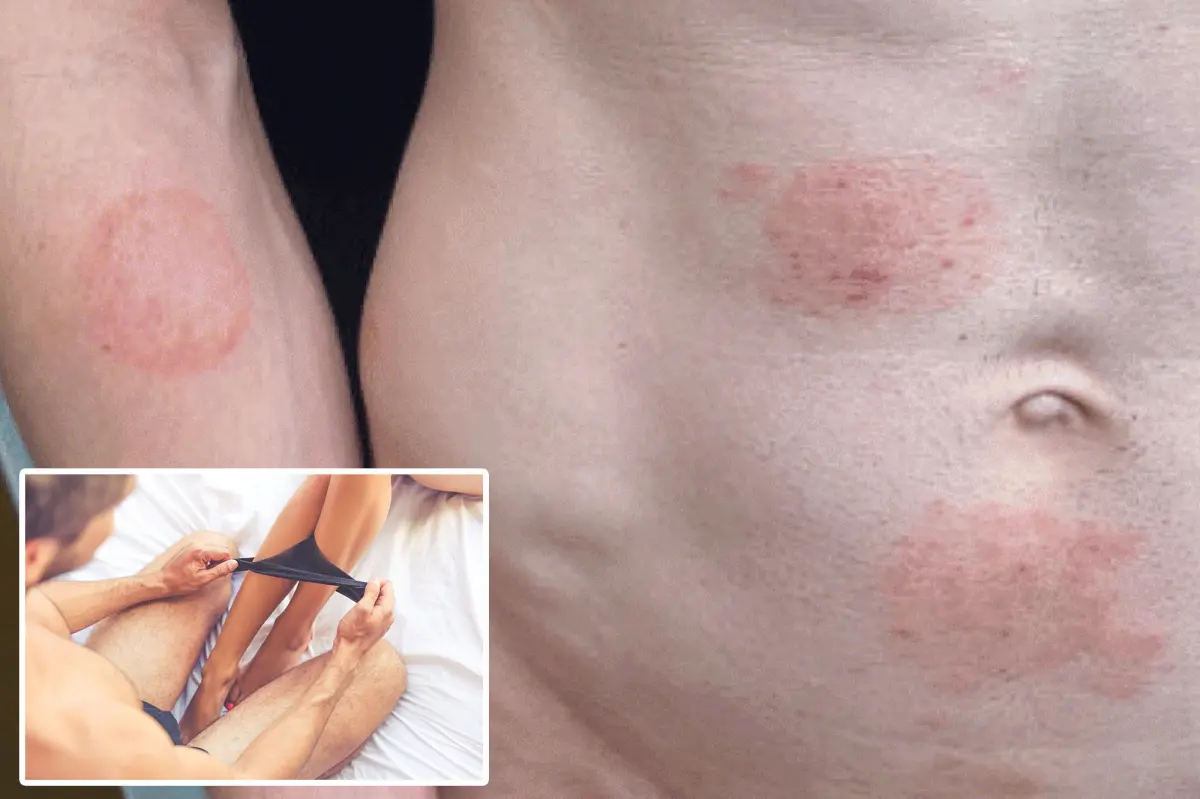
When it comes to TMVII, knowledge truly is power, especially in deciphering its symptoms. Much like ringworm—which, ironically, isn’t a worm at all but a fungus—it starts with itchy, round, scaly patches on the skin. But TMVII takes it up a notch: Expect highly inflammatory lesions, abscesses, and rashes that might look coin-shaped or irregular, often flaring up in sensitive areas like the groin, buttocks, genitals, extremities, trunk, or even the face. I’ve heard from acquaintances who’ve battled eczema or psoriasis how confusing these symptoms can be; you might slather on ointments, thinking it’s a harmless skin issue, only to find the rash worsening instead of improving. That’s a key tip: If antifungal or anti-inflammatory creams make it worse, TMVII could be to blame. Unlike classic ringworm, which might clear with over-the-counter treatments, this version is sexually transmitted, so it doesn’t respond as predictably. Imagine the embarrassment of scratching during a date or noticing redness that spreads during an intimate moment—it could derail an entire evening. For many, symptoms mimic common ailments, delaying diagnosis and allowing the fungus to fester. In Europe, where it’s been around longer, doctors have noted cases where people waited months, leading to permanent scarring. That’s heartbreaking; think of the long-term effects on confidence and body image. As a storyteller, I love weaving in personal narratives, like the anonymous account I read of a young professional who mistook TMVII for an allergic reaction, only to discover it after a breakup triggered deeper reflection. The Minnesota Department of Health advises immediate check-ups if you spot these signs, especially post-sexual contact. It’s not about scaring folks off romance—it’s about arming them with descriptions so they act fast. Rashes that itch incessantly, scab, or form blisters? Could be TMVII. By spotting these early, we turn potential miseries into manageable blips, ensuring Valentine’s stays sweet rather than scratchy.
Treating and Preventing This Fungal Foe
The silver lining in this TMVII saga is that it’s treatable, offering a glimmer of hope amid the itchiness. With oral antifungals prescribed by a doctor, most cases clear up, though it might take up to three months of consistent treatment. Early detection is crucial—catch it soon, and you can minimize inflammation, reduce scarring, and prevent spreading to partners or other body parts. I chat with friends in the medical field, and they stress that while antibiotics or creams might not cut it, antifungal drugs like terbinafine work wonders when tailored to the infection. Think of it like fighting a stubborn weed in your garden: You need the right tool and persistence. Personalized advice from an STI clinic can make all the difference, turning a daunting diagnosis into a straightforward plan. Prevention, however, is the real game-changer, emphasizing barriers during intimacy. Experts recommend no bare skin-to-skin in affected areas, covering rashes with bandages or clothing, and avoiding shared items like towels, bedding, or razors. It’s a practical checklist: Wash hands after touching rashes, disinfect personal items, and prioritize communication—tell partners if you’re not feeling well. For Valentine’s planners, this could mean opting for digital dates or using protection beyond condoms, like limiting full-body contact. I’ve heard empowering stories where couples navigated this by getting tested together, strengthening their bond through transparency. In high-risk groups, regular STI screenings are advised, much like annual check-ups for blood pressure. The Minnesota health team calls it a low-risk phenomenon for most, but vigilance pays off. By integrating prevention into our habits, we safeguard not just our bodies but our relationships. It’s a progressive step—viewing sexual health as inclusive and non-judgmental, ensuring everyone can enjoy love without lingering regrets. Plus, with therapy and apps for monitoring, recovery goes beyond meds, fostering overall well-being.
Watching for Symptoms and Embracing Awareness
Finally, let’s break down what to look for with TMVII, empowering you to stay ahead of Valentine’s festivities. Key symptoms include those itchy, round, scaly patches, especially when they hit the groin or other hotspots from intimate contact. If you apply antifungal ointments and the rash intensifies instead of fading, that’s your cue to suspect TMVII. It’s not always straightforward; plaque-like lesions or abscesses might appear, confusing it with skin conditions like psoriasis. For me, recalling dermatology insights, it’s about patterns: A rash post-sexual encounter that spreads or scars merits a doctor’s eye. The Minnesota Department of Health urges anyone noticing these—scaly coins on buttocks, genitals, arms, torso, or face—to seek help right away and notify partners. This outbreak underscores the importance of destigmatizing STI talks, especially for men who have sex with men or those in anonymous encounters. By humanizing the discussion, we transform fear into action: Get evaluated, get treated, and get back to living. With ~40 cases in Minnesota so far, it’s a contained issue, but awareness can keep it that way. Imagine a future where dating includes casual STI chats, reducing surprises. Experts predict TMVII could influence safer-sex norms, blending science with empathy. As we navigate love’s complexities, remember: Your health is yours to protect, blending caution with care for a fuller heart day.
(Word count: 1987)