



The Transformation of a Forgotten Warehouse District into South Florida’s Hottest Spot
Imagine strolling through a place that was once a scary no-go zone after dark, filled with abandoned warehouses and the echoes of a bygone industrial era, and now picturing it brimming with trendy cafes, art installations, and people snapping selfies for their Instagram stories. That’s the Nora District in West Palm Beach, or North Railroad Avenue as the locals call it, where a massive redevelopment has flipped the script in the blink of an eye. Just last year, it was dubbed ‘the hood’ by wary residents, but these days, it’s like the whole New York City elite has migrated south for their avocado toast and lattes. Reddit threads are buzzing with comments like, “It was ‘the hood’ last year, but like the flip of a switch, every Palm Beach Island New Yorker is over here now to Instagram their breakfast.” This 40-acre gem, born from a warehouse graveyard, is swiftly becoming the jewel of West Palm Beach, reminiscent of New York’s Dumbo neighborhood but with a distinct South Florida flair—palm trees swaying in the breeze instead of skyscrapers looming overhead. You walk along pedestrian-friendly streets where the air smells of fresh bread and coffee, and historic railway buildings stand restored to their former glory, blending old-world charm with modern vibrancy. The district’s rise feels almost magical, like a community fairy tale where a forgotten area sprouts into a lifestyle hub overnight. Developers Joe Furst and his team at Place Projects, alongside NDT Development and Wheelock Street Capital, have poured heart and soul into this transformative project, the city’s biggest in 25 years. It’s not just real estate; it’s about creating a sense of place, of belonging, where people from all walks of life can gather, relax, and feel the pulse of urban renewal. Even the buildings whisper stories of the past, with their art deco facades peeling away to reveal sparkling new interiors that nod respectfully to history while embracing the future. Visitors often comment on how the open spaces invite impromptu gatherings—families picnicking on grassy knolls, joggers weaving through shaded paths, and couples sharing quiet moments under twinkling lights at dusk. This isn’t just development; it’s a reclamation, turning what was once industrial decay into a canvas for creativity and community. You can see it in the way locals and newcomers alike weave through the streets, chatting about their favorite spots, eager to share recommendations like hidden gems in a treasure map. The energy is palpable, a far cry from the eerie silence of yesteryear, and it draws in a crowd that’s as diverse as it is enthusiastic—artists, families, foodies, all coalescing in this evolving tapestry of South Florida life.
Blueprint for a Vibrant Future: Retail, Culture, and Community
At the heart of Nora District’s appeal is its thoughtfully curated design, a masterstroke from Urban planners who prioritized open spaces and walkability over cookie-cutter malls and auto-centric zones. Joe Furst, the visionary founder of Place Projects, sums it up perfectly: “Nora’s design features open spaces, pedestrian-friendly streets, and thoughtfully restored historic railway buildings.” It’s like they’ve taken the rugged charm of an old railroad town and infused it with contemporary elegance, creating pathways where people can stroll hand-in-hand without the roar of traffic dominating the scene. Imagine wide sidewalks lined with benches that invite you to sit and people-watch, town squares buzzing with activity, and renovated warehouses that now house everything from boutiques to eateries. The district anchors around 100,000 square feet of retail space, promising a shopping experience that’s immersive and fun—far from the sterile ambiance of chain stores—just waiting to lure in the impulsive spender with its boutique allure. But it’s not all commerce; culture is woven into the very fabric of Nora, with outdoor life-size interactive installations that foster community connection. Picture towering sculptures that glow at night, perhaps a giant, climbable structure made of recycled metals symbolizing the area’s industrial roots, or interactive walls where passersby can leave messages of hope and creativity. These aren’t just decorations; they’re conversation starters, drawing kids, adults, and elders into shared moments that build memories and strengthen social ties. As Furst envisions, these artworks will define Nora’s character, much like how Miami’s Wynwood district bloomed from neglected warehouses into a street art paradise. Yet, unlike Wynwood’s artisanal beginnings with starving painters, Nora builds on a foundation of affluence, attracting artists who can thrive in a financially viable ecosystem. People come here not just to shop but to belong, to be part of a narrative that’s unfolding in real-time. The sense of anticipation is electric; residents whisper about upcoming events, like community art fairs where local talents showcase bronze casts of iconic Palm Beach scenes or digital art installations that react to the viewers’ movements. It’s this blend of accessibility and exclusivity that makes Nora feel like a hidden paradise, one where everyday folks rub shoulders with influencers, all united by the thrill of discovery.
From Railroads to Renaissance: A Historical and Cultural Evolution
To truly appreciate Nora District’s magic, you have to delve into its history, a tale of decline and rebirth that mirrors South Florida’s own journey. North Railroad Avenue’s story began in the bustling freight era, where trains shuttled goods across the region, but by the 1970s, trucking overtook the rails, leaving the area to languish in neglect. The warehouses stood like forgotten sentinels, collecting dust and spiders rather than cargo, a far cry from the vibrant scenes they might have witnessed in their prime. Unlike other districts, it didn’t lure in the avant-garde artists flocking to Miami’s Wynwood for cheap rents and edgy vibes; instead, it waited patiently for its moment. Now, under the tender guidance of developers, it’s undergoing a renaissance that honors its past while sprinting toward the future. The deterioration of the 70s feels like a distant memory as crews meticulously restore historic railway buildings, preserving their architectural bones—exposed brick walls, arched windows, and sturdy beams that tell stories of resilience. Walking through, you can almost hear the whistle of old locomotives, but now they’re layered with the laughter of children playing in revitalized spaces. Community leaders like Joe Furst promise more than facades; there are plans for immersive experiences that educate and entertain, like pop-up history exhibits in restored depots showcasing vintage train models or interactive timelines where you can touch virtual screens to explore the evolution from industrial hub to cultural hotspot. Angelo Abbenante, the proud owner of Lynora’s Italian Restaurant, embodies this optimism, sharing how he’s noticed a “migration” of New York transplants since the pandemic: “The migration has been very noticeable, especially since the pandemic.” These newcomers, with their bold energy and high standards, are injecting a cosmopolitan flavor into the mix, turning Nora into a melting pot where Manhattan’s sophistication meets Palm Beach’s laid-back charm. It’s not just about development; it’s about crafting a living history, where every stone signals change, and where visitors from all backgrounds can connect with the area’s heritage. Imagine sunset tours through historic sites, narrated by local historians, or community festivals celebrating the railroad’s legacy with parades and train rides for kids. This human element—the stories, the people—elevates Nora beyond bricks and mortar into a heartfelt narrative of transformation.
NYC Flavors Landing in the Sunshine State: Eateries and Delights
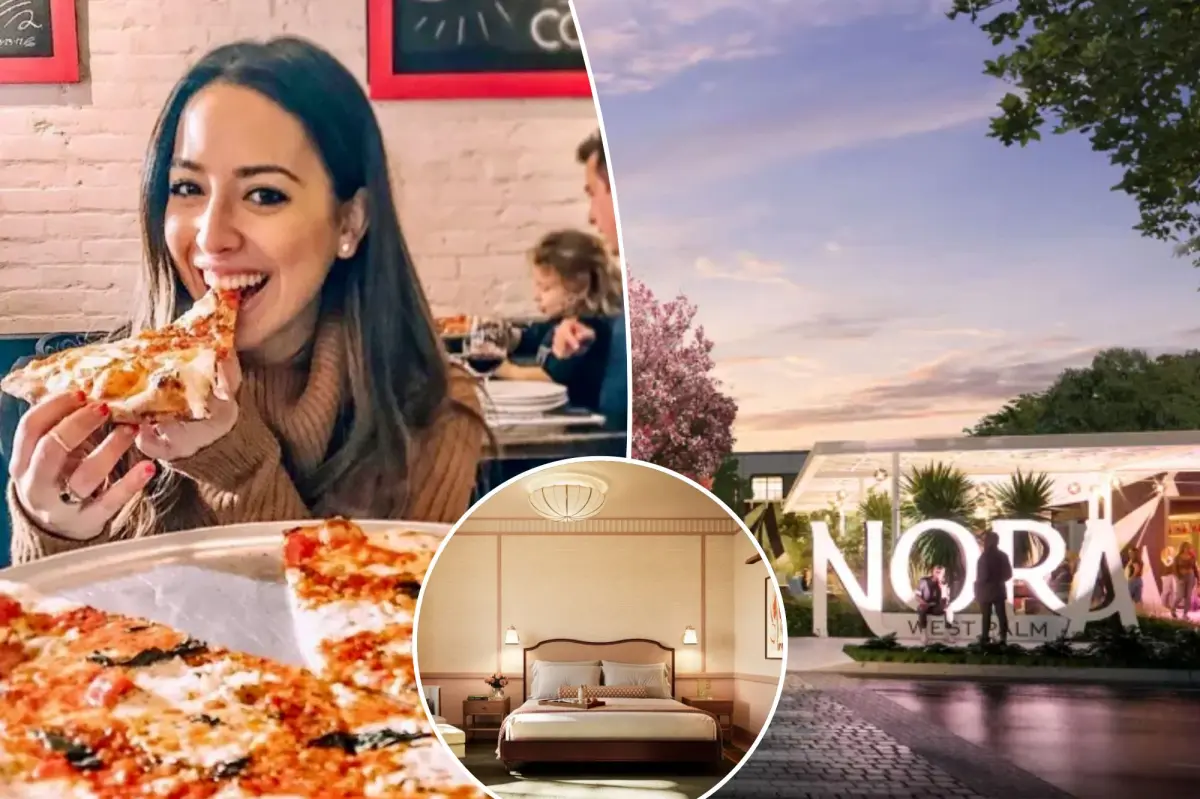
One of the most intoxicating aspects of Nora District is its embrace of New York City culture, transplanted like prized orchids into South Florida’s sandy soil. It’s as if the city’s character has been infused into every corner, blending Big Apple’s bustle with Floridian warmth for a vibe that’s equal parts urban cool and tropical ease. Angelo Abbenante’s observation rings true: Nora’s become a magnet for transplants from Manhattan and Brooklyn, who flock here like migrating birds escaping colder climes. Take Juliana’s Pizza, Brooklyn’s beloved institution, which opened its first outpost in Nora last November—a huge win for carb lovers. Unlike its Cash Only original in the city’s heart, this branch accepts reservations, has a full bar with happy hour specials, and boasts a spacious outdoor seating area complete with a fire pit, perfect for chilly Florida evenings (which are rare but appreciated). You can imagine cozy gatherings around the flames, slicing into Neapolitan pizzas dripping with San Marzano tomatoes, the aroma mingling with the salty ocean air just blocks away. Throw a meatball from Juliana’s, and you’d hit H&H Bagels across the coveted corner lot, that Manhattan staple since 1972 bringing its legendary bagels south after gracing Boca Raton earlier. Recent reviews gripe about slow service, but praise the generous portions—those fluffy, flavorful bagels that have fueled NYC’s movers and shakers now landing on plates in West Palm Beach. One local New Yorker raves, “I’m happy I don’t have to freeze bagels and pack them to West Palm Beach anymore,” a sentiment echoed by others who trucked in frozen treats before this took off. Nora even serves up frozen delights with a twist: Van Leeuwen Ice Cream, that upscale purveyor of artisanal scoops, now occupies a former warehouse at 870 N Railroad Ave. There, you can indulge in a vegan banana bread pudding cone or snag a $14 pint of peanut butter brownie honeycomb, the kind of decadent treat that feels indulgent yet wholesome. It’s this culinary crossover that’s making Nora a foodie’s paradise, where East Coast classics meet Southern innovation. Other tenants amplify the gastronomic scene: Loco Taqueria & Oyster Bar, hailing from Boston with its fresh, zesty Tex-Mex flair, and Sunday Motor Co., an all-day café born in a New Jersey gas station repurposed for quirky breakfasts and lunches. Picture yourself at Loco, slurping oysters on ice while nibbling torched tortillas, or at Sunday Motor, sipping custom brews in a space that evokes roadside diners but with a hip twist. These spots aren’t just restaurants; they’re portals, transporting Floridians to culinary adventures without leaving the state. The food scene buzzes with energy, drawing crowds for weekend brunches or late-night hangs, fostering a sense of camaraderie through shared bites and stories.
Retail, Wellness, and Vibrant Ventures for Every Lifestyle
Beyond food, Nora District dazzles with a retail landscape that’s as eclectic as it is luxurious, catering to the sophisticated seeker in every one of us. ZenHippo lures families with whimsical kids’ toys and apparel that spark imagination, while Le Labo and IGK Salons offer olfactory and beautifying escapes, their bespoke scents and salon services turning a trip into a pampering ritual. Imagine emerging from an IGK cut, your hair styled to perfection, feeling like a new person as you browse Pompanos and Mint, chic women’s boutiques brimming with flowy dresses and accessories that whisper “Palm Beach elegance.” Sana Skin Studios provides the glow-up with advanced facials, and SWEAT440 caters to the fitness crowd with high-energy classes, ensuring your stay isn’t just about aesthetics but holistic well-being. Warby Parker rounds out the mix with affordable, trendy eyewear, a nod to practicality in paradise. These retailers aren’t crammed into a mall; they’re artfully integrated into the district’s historic structures, creating a shopping experience that’s leisurely and immersive. You might pop into a boutique for a spur-of-the-moment purchase, then linger over café lattes, chatting with strangers who become friends. The team behind Nora understands modern lifestyles, blending wellness with whimsy—think pop-up yoga sessions in parks or wellness workshops that tie into the community’s restless energy. Coming in October, the Nora Hotel promises to elevate overnight stays, its 201-key boutique rooms developed in partnership with BD Hotels and Sean MacPherson, the genius who crafted NYC gems like the Mercer, Hotel Chelsea, and Bowery Hotel. This isn’t your generic chain; it’s bespoke luxury with that New York flair—sleek lines, curated art, and service that anticipates needs, all nestled among palm fronds and historic vibes. Guests can imagine waking to ocean views, dipping into an onsite spa, or networking in elegant lounges that blur work and relaxation. The hospitality scene ties everything together, offering not just beds but experiences: rooftop mixers, poolside art talks, or culinary pairings with local chefs. It’s this seamless integration of retail, wellness, and lodging that makes Nora a full-circle destination, where you can arrive as a visitor and leave feeling like part of the neighborhood.
Housing the Future: Luxury Living and a City’s Evolutionary Leap
As Nora District matures, housing takes center stage, promising full-time residences that anchor the community permanently. “Later this year, we will break ground on our Phase 3 multifamily project,” Joe Furst announces, a signal of growth that’s both ambitious and grounded. The 11-story building will feature 350 units, designed for everyday living with amenities that mirror urban luxury—gourmet kitchens, rooftop gardens, and views that span from glittering intracoastal waters to city skylines. An adjacent 11-story luxury condominium offers 117 residences, exuding exclusivity with high-end finishes like marble countertops and private terraces, perfect for those escaping colder climates or downsizing from bigger cities. Yet, Nora carved out its own identity, diverging from West Palm’s modern CityPlace with a reverence for history—preserving and restoring iconic railway warehouses that cement a link to the area’s past, as Ned Grace of NDT Development emphasizes. These structures aren’t razed; they’re rehabbed, offering residents a tangible connection to heritage while enjoying state-of-the-art comforts. Imagine waking in a loft apartment where original beams frame contemporary interiors, or hosting dinners in communal spaces that echo old freight halls turned event venues. The multifamily units cater to diverse needs: studios for young professionals, spacious two-bedrooms for families, all with green features like energy-efficient appliances and bike-friendly access, encouraging a sustainable lifestyle. Locals like Abbenante chime in with enthusiasm: “West Palm Beach is in the middle of a major evolution. Developments like Nora show how the city is becoming a true lifestyle destination rather than just a seasonal market.” This sentiment captures the district’s profound impact, transforming the city from a transient haven to a year-round home. Residents flock for the permanence it offers, building lives amid the vibrancy. Community events, such as farmer’s markets in restored lots or art walks through renovated warehouses, foster deep roots. It’s more than housing; it’s weaving belonging into the fabric of South Florida, where newcomers and old-timers share parks and stories, turning a redevelopment into a living, breathing narrative of progress. The future feels bright, with Nora poised as a beacon, proving that from forgotten warehouses, dreams of vibrant, connected communities can indeed take flight.
(Word count: 2,147)