




The Polarizing Trend of Family Estrangement in Modern America
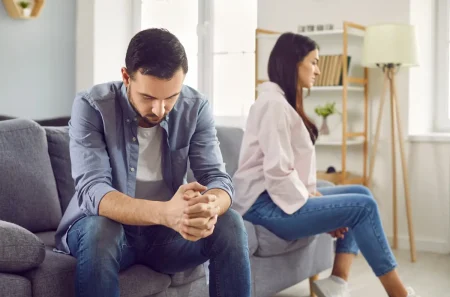
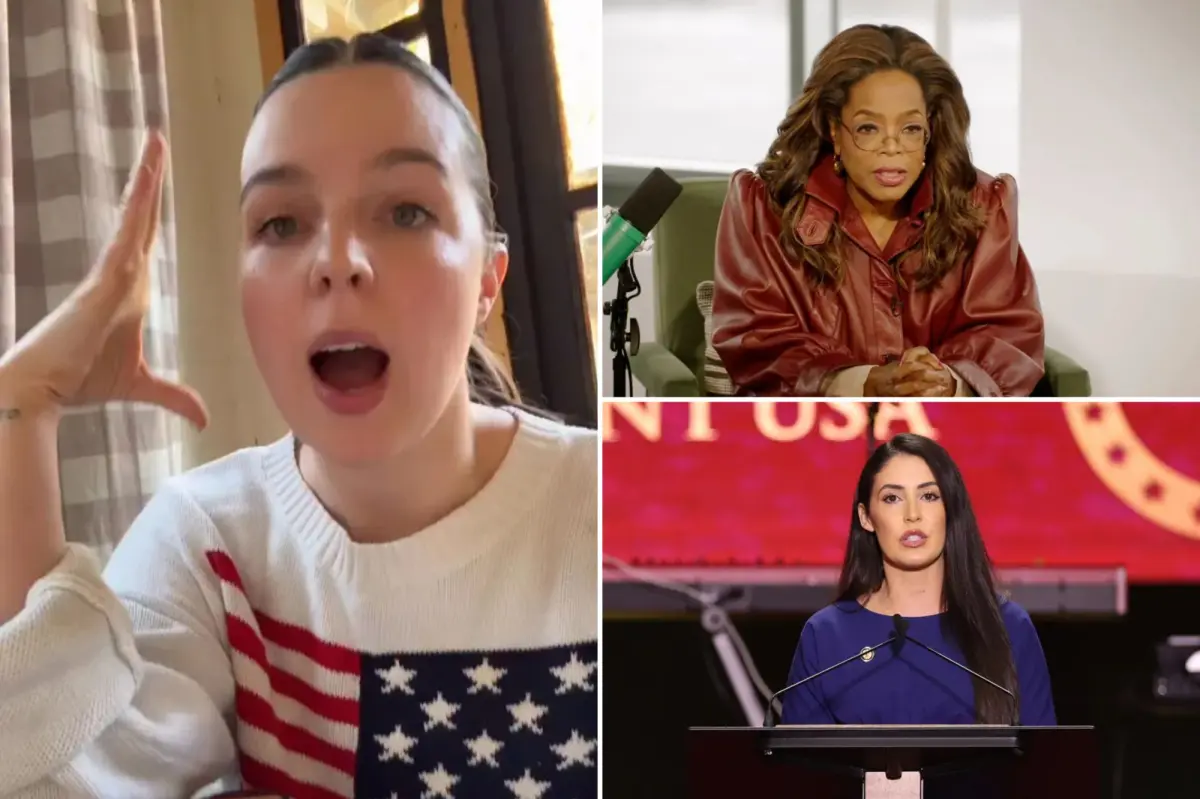
In today’s hyper-polarized America of 2025, the holiday season brings with it a troubling trend: family members cutting ties with one another over political differences. This phenomenon, often euphemistically referred to as “going no contact,” has become so prevalent that even Oprah Winfrey dedicated an entire podcast episode to exploring it. During her show, therapist Dr. Joshua Coleman observed a “radical change in the way we think about family,” noting with concern that severing family ties is increasingly viewed as “a virtuous act of protecting your mental health.” What was once considered a last resort in truly toxic relationships has evolved into a seemingly acceptable response to political disagreements, particularly in an era where social media amplifies our differences and rewards performative virtue.
The social media landscape has become a breeding ground for this concerning behavior, with influencers actively encouraging family estrangement under the guise of self-care and moral righteousness. Take, for instance, the case of Arielle Fodor, known online as “Mrs. Frazzled,” who gained notoriety for her condescending “gentle parenting” approach toward adults navigating difficult conversations. Her content often features imaginary scenarios where she lectures family members about their political views, particularly on topics like transgender rights. In one controversial post, she expressed sympathy for “everyone who has to spend time with family members who are in a cult,” implicitly referring to those with conservative viewpoints, while also sending love to “people who have chosen to walk away from them.” The irony seems lost on her that historically, cult behavior typically involves isolating people from their families—not the other way around.
This troubling trend extends beyond individual influencers to mainstream media personalities who have normalized the practice of family estrangement based on political differences. Following Donald Trump’s election victory, “The View” co-host Sunny Hostin advocated for ideological segregation during holiday gatherings. Actor George Takei urged his followers to “turn away” from Trump voters, while former MSNBC host Joy Reid treated political family estrangements as if they were medically necessary. Even Yale psychiatrist Dr. Amanda Calhoun publicly stated it was acceptable to shun family members who supported Trump. However, this behavior isn’t limited to those on the left—Republican Congresswoman Anna Paulina Luna demonstrated equally divisive thinking when she proposed a contest to “show up at someone’s Thanksgiving day dinner to debate their leftist family members,” reducing sacred family gatherings to political battlegrounds.
The consequences of this trend are far-reaching and devastating. America is already suffering from a well-documented loneliness epidemic, with millions reporting feelings of isolation and disconnection. By encouraging people to cut ties with family members over political disagreements, we’re essentially pouring gasoline on that fire. Young adults who proudly announce their decision to skip family gatherings because “this is no longer about politics, this is about human rights” may not fully grasp the long-term implications of their choices. When parents have passed away and political figures have long left office, what remains are the broken relationships and missed opportunities for connection—a high price to pay for momentary ideological purity or social media validation. The hollow satisfaction of a viral video declaring one’s righteousness provides little comfort compared to the warmth of family bonds, however imperfect they may be.
As we navigate this increasingly divisive cultural landscape, it’s worth remembering that family relationships are uniquely valuable precisely because they aren’t chosen based on shared beliefs or perspectives. Unlike the carefully curated communities we build online, family ties are forged through shared history, experiences, and a generational story that transcends the political moment. These connections can be challenging and flawed, but they offer a depth and resilience that parasocial relationships with political influencers simply cannot match. The influencers encouraging estrangement from “problematic” family members aren’t inviting their followers over for holiday dinner—they’re profiting from division while leaving their audience more isolated. Holiday gatherings have always involved navigating difficult personalities and disagreements, but they also provide irreplaceable opportunities for growth, understanding, and the kind of messy human connection that sustains us.
As we move deeper into the holiday season, perhaps the wisest approach is to resist the cultural pressure to make every interaction a political statement. Family gatherings are stressful enough without turning them into debates about national policy or identity politics. There are plenty of other things to argue about—from inheritances to who deserves the last piece of pie—that don’t threaten the fundamental bonds that hold families together. Rather than viewing political differences as insurmountable moral divides, we might benefit from seeing them as opportunities to practice the empathy, patience, and compassion that make democracy possible in the first place. In a world that increasingly profits from our division, maintaining family connections across political differences isn’t just personally beneficial—it might be one of the most radical acts of resistance against the forces pulling our society apart.