






Winter Windshield Woes: Quick Solutions for Frozen Cars
In the aftermath of Friday’s winter storm that blanketed the Northeast in snow, countless people find themselves in the familiar post-snowfall routine: shoveling pathways from their front doors and tackling the frustrating layer of ice that’s transformed their car windshields into frozen panes. There’s something uniquely disheartening about stepping outside on a frigid morning, already running late, only to discover your vehicle encased in ice. The typical response involves frantically scraping away while shivering in the cold, watching your breath form clouds as your fingers grow numb. But what if there were simpler solutions hiding in plain sight? Some clever motorists have been sharing unconventional wisdom that might save both time and discomfort during these winter challenges.
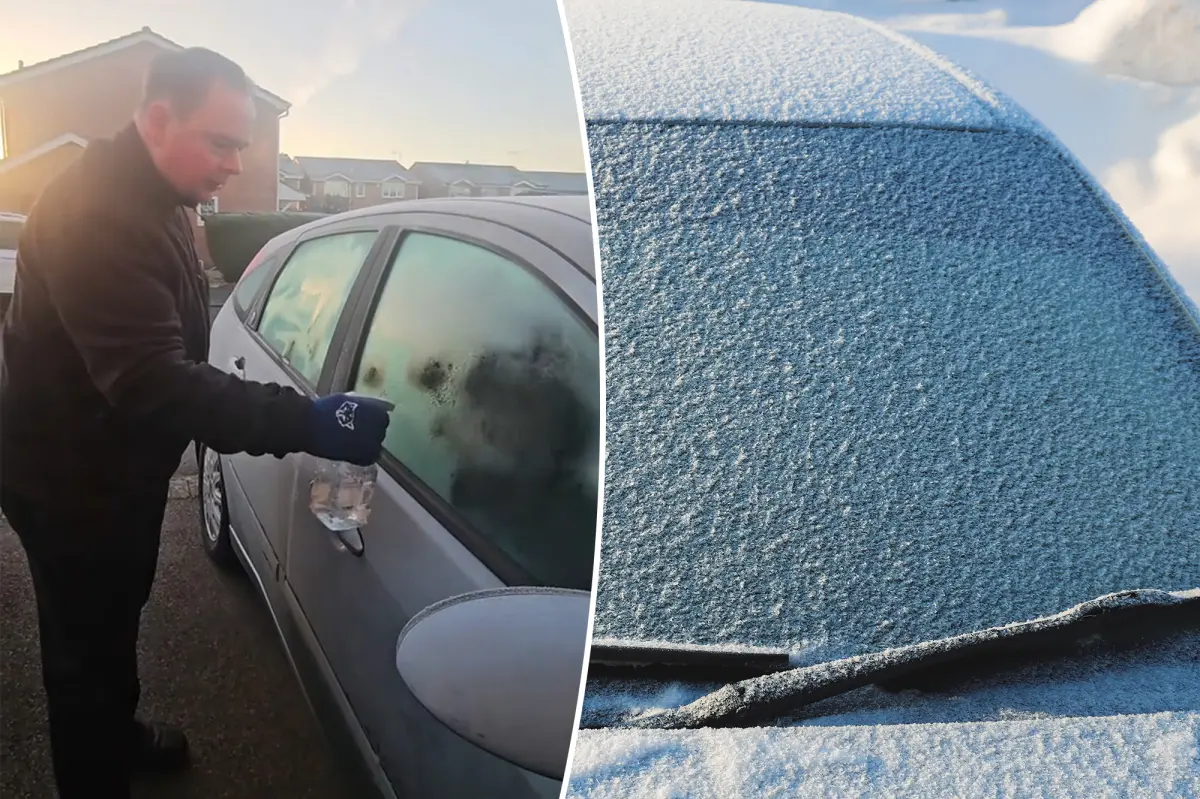
Adrian Garner, a 51-year-old driver who’s weathered many winter seasons, recently shared a remarkably simple technique that’s gaining attention for its effectiveness. His method requires nothing more than an empty spray bottle—perhaps a repurposed cleaning spray container or used air freshener bottle—filled with warm (not boiling) water. The approach is straightforward: spritz the warm water onto your frozen windshield and then drip any remaining liquid around the problem areas of your car. “Little life hack for you, instead of spending loads of money on de-icer,” Garner explained to NeedToKnow. The beauty of this solution lies in its accessibility—most households have spare spray bottles that can be repurposed, and warm water costs nothing. The important caveat Garner emphasizes is using water at a comfortable steamy temperature rather than boiling hot, which could potentially crack cold glass. This gentle approach allows the ice to melt quickly without risking damage to your windshield.
With freezing rain in the forecast for many regions, particularly across the tri-state area, drivers might want to consider not just removing current ice but preventing future accumulation. One particularly unusual preventative measure involves an item commonly found in kitchen pantries: potatoes. According to recommendations from the John Clark Motor Group, a British car sales organization, drivers can slice a potato in half and rub it across their windshields to create a protective barrier. The science behind this unexpected hack suggests that “the starch in the potato acts as a barrier between the glass and the air,” potentially reducing the likelihood of ice formation. While this method might raise eyebrows among skeptics, those who have tried it often report surprisingly effective results, with windshields that remain clearer longer during freezing conditions. The humble potato, it seems, might deserve a place in your winter car maintenance toolkit alongside more traditional ice scrapers and brushes.
Not all popular windshield treatments deliver on their promises, however. Some widely circulated remedies might actually cause more problems than they solve. The American Automobile Association (AAA) cautions against several common suggestions that make the internet rounds each winter. Spreading vinegar, rubbing alcohol, or dish soap onto windshields—all frequently recommended in online forums—can potentially damage your vehicle over time. According to AAA, these substances “do remove car wax and over time will leave the finish exposed to the elements and corrosive chemicals such as road salts.” Similarly, windshield covers soaked in saltwater solutions pose comparable concerns, potentially leading to long-term deterioration of your vehicle’s exterior. These warnings highlight the importance of considering not just immediate effectiveness but also long-term impacts when selecting methods to battle winter ice.
For those who do choose to use commercial windshield treatments or homemade deicing solutions regularly, AAA emphasizes the importance of comprehensive vehicle maintenance. “If you use windshield pretreatments or deicers on a regular basis, keep in mind the need for total car care and periodically wash and re-wax any affected areas of the car as weather permits,” the organization advises. This balanced approach acknowledges the reality that many drivers will prioritize convenience during harsh winter conditions but reminds us that protecting our vehicles requires ongoing attention. The ideal approach combines effective immediate solutions with thoughtful preservation of your car’s exterior surfaces. After all, the goal isn’t just to see through your windshield today, but to maintain your vehicle’s condition throughout the winter season and beyond.
Winter driving presents numerous challenges beyond just clearing windshields. Preparation makes all the difference when temperatures drop and precipitation falls. Beyond the hacks mentioned above, winter-ready drivers might consider keeping a small kit in their vehicles containing items like extra warm gloves (nothing is worse than scraping ice with bare hands), a quality ice scraper with brush attachment, a small shovel, and perhaps now, a spray bottle and potato. Some drivers even place a blanket or cardboard over their windshields when parked overnight during threatening weather, creating a physical barrier that can be removed along with any accumulated snow or ice. Whatever methods you choose, the key is planning ahead rather than finding yourself frantically improvising in sub-freezing temperatures. As we navigate through the remainder of winter, these small preparations can make the difference between starting your day with frustration or facing the elements with confidence—and a clear windshield.