


Feasting the Blue Zone Way: A Healthier Approach to Holiday Meals
While Elvis might have lamented a “Blue Christmas,” embracing blue during the holiday season could actually be a blessing for your health. The typical American Christmas dinner often exceeds 3,000 calories in a single sitting, as we pile our plates with sugary, fatty, and salty seasonal favorites. But what if there was a way to maintain the festive spirit without sacrificing your well-being? By taking inspiration from the world’s Blue Zones—regions where people live extraordinarily long and healthy lives—you can create a Christmas dinner that’s both delicious and nutritious.
“There’s a false belief that holiday celebrations require heavy cream, butter and processed ingredients to feel special and festive,” explains Dan Buettner, longevity researcher and cookbook author who coined the term “Blue Zones” after decades studying the world’s healthiest populations. “In reality, the best holiday dishes in the Blue Zones are naturally plant-forward and celebratory.” The diet in these longevity hotspots consistently features beans, whole grains, vegetables, tubers, and nuts as dietary staples. The secret to their appeal isn’t deprivation but rather the opposite—these communities have perfected the art of making healthy ingredients taste amazing. As Buettner emphasizes, “The key is that folks in the Blue Zones have discovered ways to make the most nourishing foods taste delicious.”
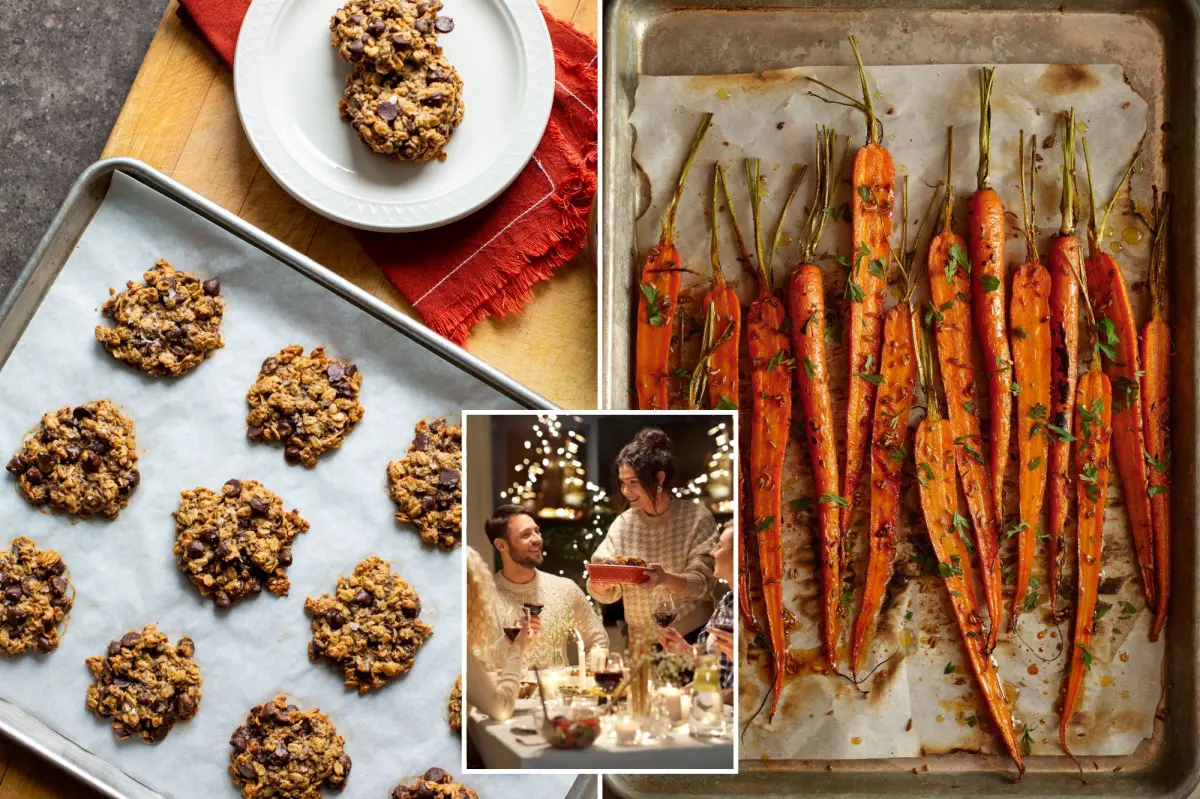
A Blue Zone holiday feast begins with mindful alternatives to traditional indulgences. Instead of sugary cocktails, consider a warming Mulled Cider Tonic that combines apple cider, fresh ginger, and warming spices like cardamom, allspice, and cinnamon. This drink not only provides immune-boosting vitamin C from oranges but also includes anti-inflammatory spices and digestion-supporting apple cider vinegar. For a side dish, reimagine mashed potatoes by keeping the nutritious skins on Yukon Golds and replacing butter and cream with heart-healthy extra-virgin olive oil. Another colorful addition could be Honey Roasted Carrots, which derive their rich flavor from a Mediterranean-inspired blend of cumin, caraway, coriander, and fennel seeds rather than excessive butter. This approach reflects the Blue Zone philosophy of using herbs and spices for flavor rather than relying on unhealthy fats or excessive salt.
The centerpiece of a Blue Zone Christmas dinner might surprise traditionalists: a Walnut “Meatloaf” with Cremini Gravy. This plant-based main course delivers the comfort and satisfaction of its meaty counterpart without the downsides. “Instead of ground beef, you are getting walnuts, oats and real vegetables, all of them whole ingredients that deliver plant-based protein, fiber and the kind of healthy fats your body knows what to do with,” Buettner notes. The dish combines finely ground walnuts, whole wheat breadcrumbs, and oats with sautéed vegetables, creating a hearty texture that pairs perfectly with a mushroom-based gravy made with nutritional yeast for umami depth. This main course exemplifies how Blue Zone eating doesn’t mean sacrificing satisfaction—it simply means finding satisfaction in foods that nourish rather than deplete.
Even dessert can align with Blue Zone principles without feeling like a compromise. Chewy Oatmeal Chocolate Chip Cookies replace refined white sugar with maple syrup and butter with coconut oil and peanut butter. The addition of fiber-rich oats and omega-3-packed chia seeds transforms a simple cookie into something more nutritionally meaningful. Dark chocolate chips provide antioxidants along with that essential chocolate fix. “These cookies prove that dessert can be both delicious and nutrient-rich,” Buettner explains. The key insight here is that Blue Zone eating isn’t about elimination but transformation—finding healthier ways to create familiar pleasures rather than giving them up altogether.
The philosophy underlying these Blue Zone holiday recipes represents a fundamental shift in how we think about celebratory eating. Instead of viewing holiday meals as an opportunity to indulge in ways that leave us feeling sluggish and remorseful, the Blue Zone approach encourages us to celebrate with foods that energize and nourish. As Buettner succinctly puts it, “Taste is the most important ingredient for longevity. When food tastes amazing, eating well becomes effortless.” This perspective invites us to question whether our traditional holiday indulgences truly enhance our celebration or whether we might find greater joy in foods that make us feel vibrant rather than depleted. By bringing Blue Zone wisdom to our holiday tables, we can begin a new tradition—one where our Christmas feasts become a genuine gift to our bodies, setting us up for health and vitality in the new year rather than necessitating restrictive resolutions.