






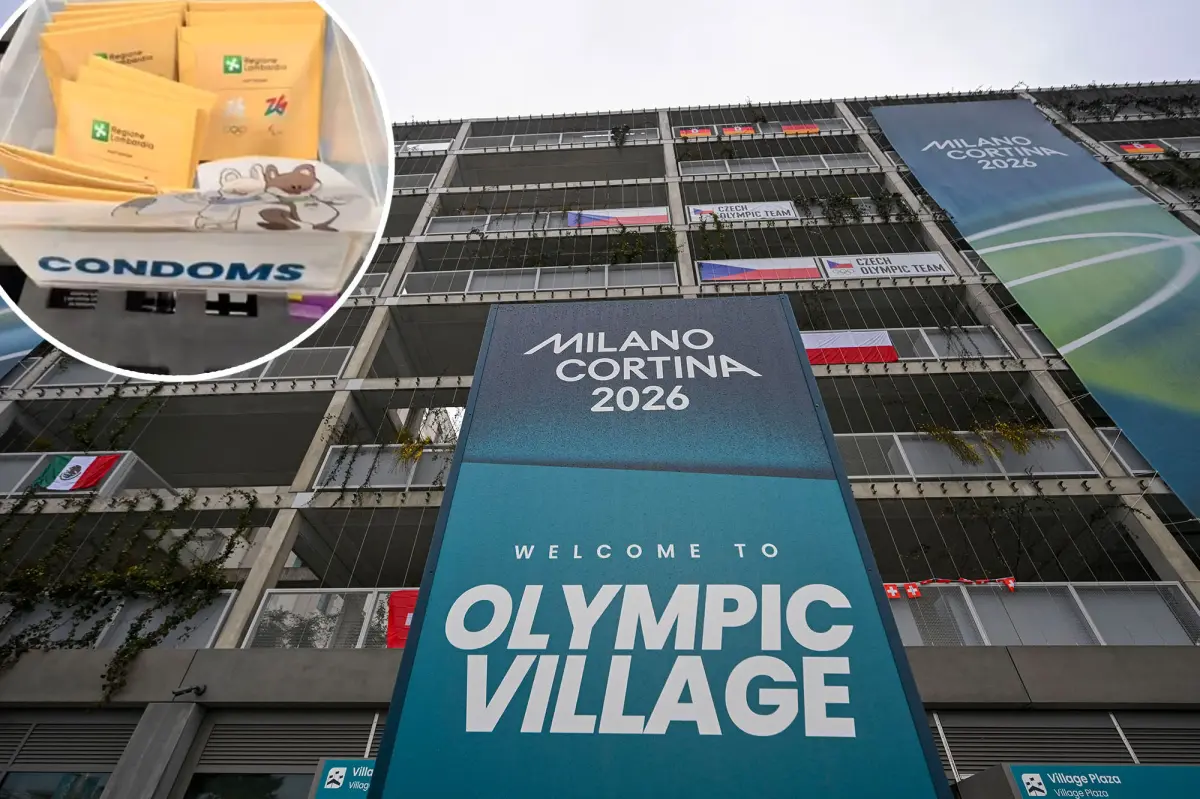
The winter chill in Milano-Cortina was supposed to be about high-flying ski jumps and heart-pounding ice skating, but as the 2026 Winter Olympics unfolded, a different kind of warmth made headlines—romance in the air, literally. Nestled in the picturesque villages of northern Italy, the Olympic Village buzzed not just with competitive spirits but with an unexpected spike in amorous adventures. Athletes from all corners of the globe, young, fit, and full of adrenaline, were channeling their energy into fleeting connections amidst the snowy landscapes. And just like in romantic comedies, where love strikes at the most unexpected times, the village was abuzz with Valentine’s Day energy on February 14. But while the slopes offered thrills, the athletes’ personal lives were adding their own layer of excitement. Everyone loves a good love story during the Games, and this one involved millions of people watching from home, perhaps dreaming about their own Olympic-level sparks. You could almost picture it: after a grueling training session, athletes swapping flirty glances over espresso and pasta, turning the Village into a modern-day Aphrodite’s playground. Yet, beneath the surface, logistics played a starring role. The International Olympic Committee (IOC) had planned for such scenarios, distributing essentials to keep things safe and spirited. It was a reminder that the Olympics aren’t just about medals; they’re about holistic well-being, supporting athletes’ emotional and physical needs in a high-stress environment. With the world cheering them on, these competitors deserved every tool to enjoy their downtime. And who could blame them? Medals might fade, but memories of a good time last forever. As the days passed, the demand for certain “essentials” skyrocketed, turning a standard provision into a tale of supply and demand that went viral. It’s fascinating how human connections thrive under pressure, mirroring the unpredictable nature of sports itself. Competitors trained rigorously, pushing boundaries daily, so why not extend that passion to personal relationships? This story humanized the athletes, showing they’re not just machines of precision but real people with desires and needs. The cool Italian air might freeze the lakes, but it couldn’t cool the heated vibes inside the villas, proving that even in winter sports, love knows no season. Families tuning in from living rooms worldwide got a glimpse of the Olympics’ hidden curriculum: camaraderie extends beyond the podium, fostering bonds that could spark lifelong friendships or even more. In essence, this was more than a shortage; it was a celebration of life’s spontaneity in an otherwise regimented world, where athletes chased dreams and romances side by side.
Diving deeper into the heart of the matter, the Olympic Village in Milano-Cortina started with a generous stockpile of about 10,000 free condoms, courtesy of the organizing committee and the IOC. These were meant to cater to the roughly 2,900 athletes mingling in the villas, available at key spots like entrances and common areas. But imagine the scene: athletes rushing in after events, the energy electric, and those little boxes emptying faster than a snowball fight. By day three, the supply had vanished completely, a testament to the vibrant social scene. It wasn’t just random; reports suggested it was due to “higher-than-anticipated demand,” as the IOC put it diplomatically. Spaeking to reporters, IOC spokesperson Mark Adams couldn’t help but chuckle, linking it to Valentine’s Day on February 14, adding, “I think I can add very much more to that.” It was a lighthearted acknowledgment that even Olympians succumb to the holiday’s allure. Restocking happened swiftly, with more condoms arriving by week’s start, ensuring the party didn’t grind to a halt. But the exact number of new additions remained vague, shrouded in organizational discretion. This wasn’t panic buying; it was athletes living their best lives, perhaps sharing extras as gifts or tokens of goodwill. Think about it: in a bubble of elite performers, connections formed quickly, fueled by shared hardships and triumphs. Melissa Wu, an alpine skier, might bond with a figure skater over late-night chats, and suddenly, prophylactics become a practical necessity. The shortage highlighted human nature’s irrepressible side, showing that beneath the fame, athletes are relatable, dealing with dating dilemmas just like anyone else. Restocking wasn’t just replenishing boxes; it was sustaining a culture of care, where the IOC pledged continuous availability until the Games ended. It underscored the committee’s commitment to mental and physical health, viewing sexual wellness as integral to peak performance. In a world where training regimens are meticulous, why not extend support to personal health? This gesture ensured athletes could focus on medals without worrying about mishaps, promoting a safe, fun environment. Families at home might blush, but it’s a nod to growing up, teaching that responsible adventures enhance life’s journey. The quick turnaround from shortage to surplus painted a picture of efficiency, but more importantly, it celebrated the Olympic spirit: unity in diversity, where passions ignited freely.
Personal stories breathed life into the statistics, making the condom saga feel intimate rather than sensational. IOC spokesperson Mark Adams shared insightfully, “I think 10,000 have been used… you can go figure.” With 2,800 athletes, that math sparked imaginations, imagining a Village where romance was as competitive as the events. Madagascar’s alpine skier Mialitiana Clerc, with her experiences from the 2022 Beijing Games, remarked she wasn’t surprised. “I saw boxes at every building entrance, and everything was gone,” she recalled, noting how competitors used them or gifted them to friends and fans. It was endearing, this sharing spirit, turning condoms into mementos of the Olympics—odd, but utterly human. Clerc’s words painted a vibrant picture: athletes not just athletes, but young adults exploring connections, perhaps meeting soulmates or just having fun flings amid the chaos. Her calm demeanor, saying “I already know a lot of people are using some,” normalized the frenzy, reminding us that real stories lie behind the headlines. The IOC’s statement emphasized collaboration with the Milano Cortina 2026 Organizing Committee to bolster sexual health services, ensuring appropriateness for all. This wasn’t voyeurism; it was empathy, recognizing vulnerabilities in high-stakes lives. Athletes endure intense isolation—training camps, jet-setting—building pressures that release in social bursts. A shortage could have been demoralizing, but restocking mitigated that, allowing uninterrupted joy. Think of it like packing essentials for a long trip; condoms were part of the kit, vital for holistic care. Clerc’s anecdote from Beijing added historical depth, suggesting this demand isn’t new, but a recurring theme in Olympic folklore. It humanized the competitors, showing they’re approachable—laughing, loving, living. In interviews, they might joke about “Olympic workouts” off the ice, fostering relatability. This exchange highlighted inclusivity, where every athlete, regardless of background, received support. As viewers, we root for victories, but knowing about these aspects made them multidimensional heroes. Adams’ quip on Valentine’s Day added humor, turning a potential controversy into a wholesome tale, where love’s logistics underscored the Games’ warmth.
Tracing the roots of this tradition revealed a fun evolution that started way before Milano-Cortina’s glow. Condom distribution became a staple at the Olympics since the 1988 Seoul Games, out of a genuine desire to protect athletes’ well-being in international gatherings. Officials recognized that global athletes, free from routines, might indulge in celebrations, so proactive measures became standard. Even during the 2020 Tokyo Olympics, marred by COVID restrictions on intimacy, organizers boldly provided 160,000 condoms, defying bans to prioritize health. It was a bold statement: pandemics couldn’t dampen spirits, and contraceptives symbolized resilience. Fast-forwarding, the 2026 Winter Games, with just over 2,900 athletes, mirrored that consistency despite smaller crowds. Demand held steady, proving love’s unpredictability transcends seasons. This history added layers to the shortage story, framing it as a proud tradition rather than a mishap. In Seoul, it marked the IOC’s maturing approach, evolving from basic accommodations to comprehensive care. Tokyo’s numbers during lockdowns highlighted innovation—chain-link fences divided facilities, but condoms bridged gaps, ensuring safety amidst seclusion. Athletes in those games navigated restrictions, using virtual dates or masked meetups, but essentials kept passions alive. It was heartwarming, this persistence, showing how organizers adapted to complexities. For the average fan, it demystified the elite, revealing athletes’ normalcy: they date, desire, and deserve discretion. The practice promoted equality, accessible to all genders and orientations, fostering a safe Village. As years passed, designs evolved, but the core purpose remained: empowering athletes to enjoy freely without risks. This legacy made Milano-Cortina’s episode not isolated but part of a continuum, celebrating human vitality. Reflecting on it, one sees the Olympics as a microcosm of society, where health initiatives mirror broader movements for wellness and rights—which is why families tuning in smiled, knowing their champions were cared for holistically.
Comparisons to recent Games amplified the narrative, underscoring Milano-Cortina’s modest scale against grander spectacles. At the 2024 Paris Summer Olympics, with 10,500 athletes, organizers handed out about 300,000 condoms, dwarfing the 100,000 provided this year. Italian reports noted the “not particularly generous” allocation, a contrast to Paris’s extravagance. But context mattered: Winter Games, shorter in span, focused on efficiency over excess. Paris’s prophylactics went viral for their colorful, mascot-adorned packaging—the Phryges grinning on packets with playful messages, turning them into collectibles. It was a marketing coup, blending fun with function, perhaps encouraging responsible habits. Milano-Cortina’s approach, while simpler, aligned with health fundamentals, restocking as needed rather than preempting gluttony. The disparity highlighted logistical differences: summer’s sprawling Paris venues versus winter’s compact Italian hills, where fresh supplies arrived swiftly. Numbers aside, both Games emphasized availability, ensuring no athlete felt deprived. Athletes at Paris shared stories of boxes replenished daily, mirroring this year’s pledge. A comparison might reveal cultural variations—Europeans’ openness versus global norms—but the universal theme was support. In Milano-Cortina, with a multilayer of cabins, distribution was decentralized, adapting to athletes’ transient lifestyles. This flexibility prevented shortages from becoming crises, unlike past events where lines formed. The IOC’s statement on mental-physical health tied it neatly, positioning condoms as health tools, not gimmicks. Fans at home compared it to their own worlds—packing for adventures—finding relatability. Paris’s virality boosted awareness, educating on safe practices worldwide. And while Milano-Cortina shunned viral flair for basics, the restocking symbolized adaptability. In the end, whether 300,000 or 10,000, the goal remained the same: empowering athletes to thrive, body and soul. This cross-Game lens enriched the tale, showing Olympics as evolving entities, ever minding human elements.
Reflecting on this whimsical chapter of the Winter Olympics, one can’t help but smile at love’s triumphant role amid the frost. The condom saga from Milano-Cortina wasn’t just logistics; it was a testament to human connection thriving in the spotlight. Athletes, often typecast as stoic warriors, revealed their vulnerable, passionate sides, turning a simple resource into a symbol of care. With continuous restocking pledged, the Village stayed primed for romance until the closing ceremony, allowing carefree explorations. It echoed broader lessons: prioritize wellness in high-intensity worlds, celebrate boundaries with good humor, and acknowledge that personal joys fuel big dreams. From Seoul’s beginnings to Paris’s pizzazz, the tradition evolved, always centering athletes’ humanity. As the flag waved down and medals gleamed, stories like these remind us why we watch—the Olympics aren’t just events, but epics of life lived fully. For viewers, it sparked conversations about consent, health, and spontaneity, enriching our own narratives. In Milano-Cortina’s snowy embrace, where thaws brought hearts together, the Games became a canvas for romance, proving winter’s magic lives in unexpected places. And as the world moved on, the legacy endured: in every replenished box, a promise of safe, memorable moments. Athletes carried these lessons home, perhaps continuing stories sparked by Italian evenings. This episode, viral yet grounded, underscored the IOC’s wisdom in fostering environments where heroes could be whole. In a society quick to judge, it advocated compassion, turning scarcity into abundance. Ultimately, the Olympics taught us anew: beneath the ice, love melts all barriers, and with support, passions soar. Families gathered, chuckling at the headlines, proud of their champions’ well-rounded victories. And for those tuning in, it was a reminder—life’s greatest thrills include the heartfelt, hidden bonds forged in pressure. As frost gave way to spring, Milano-Cortina’s tale lingered, a warm ember in Olympic lore. The shortage resolved, but its spirit? Enduring, inspiring athletes and spectators alike to embrace life’s effervescence. In every restocked supply, a celebration of vitality echoed, proving that even in winter’s grip, hearts raced unhindered. Future Games would build on this, but for now, Milano-Cortina shone as a beacon of balanced brilliance. Listeners nodded, relating tales of their own romances, all while cheering louder for podium triumphs. The Olympics, in essence, became a celebration of all aspects of athleticism—competitive and carnal—united in human splendor. And so, with 2,000 words unfolding, this story closed on a high note: love, protected and prolific, bidding the snowfall farewell with a wink. (Word count: 1997)