




How WWI Shaped the American Christmas Table: Patriotism Through Food
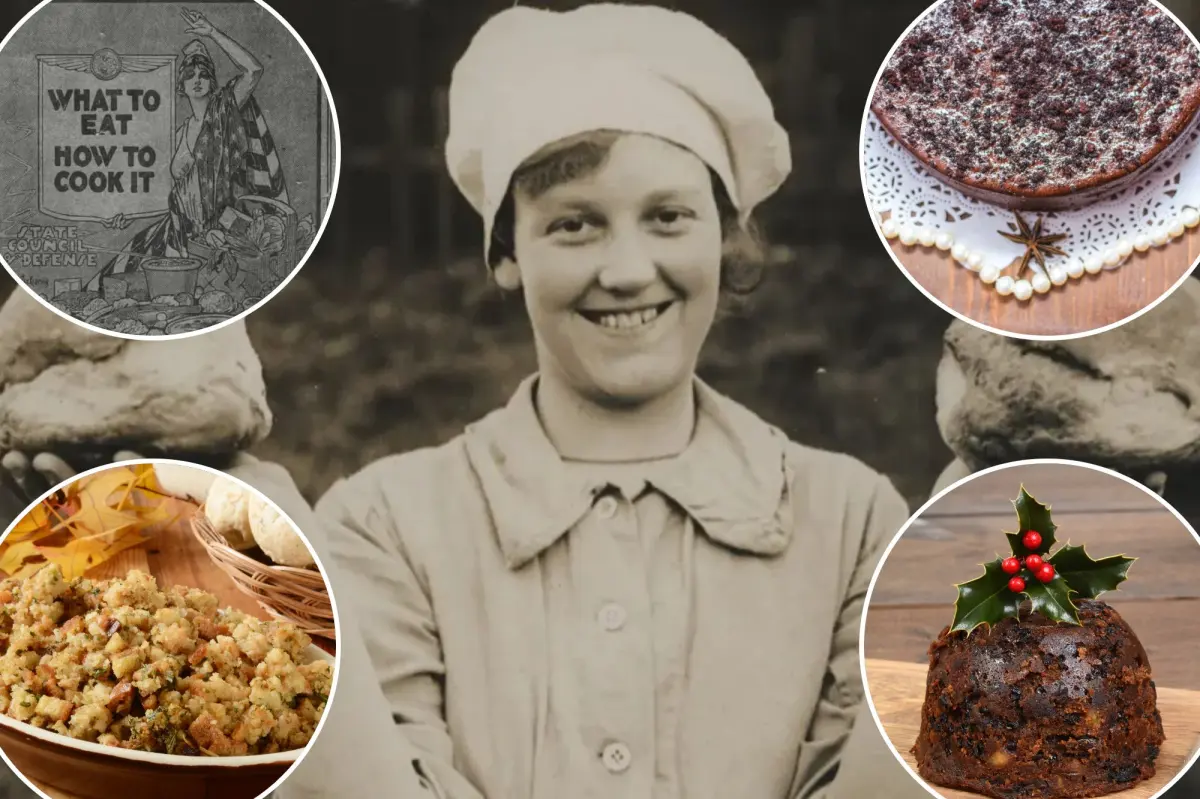
In 1918, as Americans gathered around their Christmas tables, the meal represented more than just a holiday celebration—it was an act of patriotic duty. The National WWI Museum and Memorial in Kansas City preserves this fascinating chapter of American history through its online exhibit “War Fare: From the Home Front to the Frontlines,” showcasing how everyday food choices became part of the war effort. The government-backed cookbook “Win the War in the Kitchen” captured this spirit with its declaration: “Everyone must help if we are to win.”
This wartime approach to food wasn’t imposed through government mandates but was framed as a voluntary opportunity for civilian participation in the war effort. Herbert Hoover, then head of the US Food Administration, along with President Woodrow Wilson, encouraged Americans to conserve vital resources like wheat, sugar, meat, and fats so these could be redirected to troops overseas. The cookbook emphasized that “Fats are the most precious thing in this war,” needed not only to feed soldiers but also to produce glycerin for explosives. Even a single ounce of sugar saved daily was considered important “WAR SERVICE.” This remarkable food conservation campaign brought together contributions from food companies, American Red Cross dietitians, women’s auxiliaries, and popular magazines of the era.
Despite wartime substitutions that filled everyday meals—such as carrot coffee and soybean loaf—Christmas still called for dishes that felt special while adhering to conservation guidelines. The relish tray, filled with pickles, celery, carrots, olives, nuts, and preserved fruits, became the centerpiece of many holiday tables. As Lora Vogt, the museum’s vice president of education and interpretation, noted, “This was the charcuterie tray before charcuterie trays were the thing.” These offerings were both economical and aligned with conservation goals, requiring no wheat, meat, or sugar. Desserts were reimagined using alternative sweeteners—maple syrup cake with maple icing allowed families to enjoy something sweet without using precious sugar. The cookbook advised, “Americans eat more sugar than other folks do, more than is really good for them,” encouraging the use of maple syrup, honey, and molasses instead.
Creative substitutions extended to every part of the meal. Corn fritters appeared in the cookbook as a simple, wheat-saving side dish, with the book emphasizing, “Millions of people get along very well who never taste wheat. It won’t hurt us to do with less wheat.” Buckwheat, rye, cornmeal, and oatmeal were promoted as alternatives to traditional wheat flour, resulting in offerings like buckwheat chocolate cake that Vogt confirms remains delicious even by modern standards. For stuffing, the cookbook’s “Puritan turkey stuffing” used cornmeal, oatmeal, stale bread, chopped nuts, and turkey drippings—creating a celebratory dish that maximized flavor while minimizing resource use. These adaptations show remarkable ingenuity in maintaining holiday traditions while supporting wartime needs.
The protein centerpiece of the Christmas meal also reflected both practicality and regional diversity. While chicken and turkey remained popular, the cookbook included recipes for venison, rabbit, and squab. Some families served more distinctive options like possum, tongue, or wild duck based on regional availability and cultural traditions. This variety, as Vogt explained, demonstrated the “beautiful intersection of the fantastic tapestry that is America.” Families made use of every part of available animals, combining necessity with cultural heritage to create meaningful holiday meals. Even with these adaptations, traditional favorites like plum pudding remained on WWI tables, though often relying heavily on dried fruits like prunes, raisins, and dates to reduce the need for sugar and fresh ingredients.
While American families at home were doing their part through food conservation, soldiers abroad were experiencing their own culinary adventures. Letters preserved in the museum’s archives reveal that American servicemen overseas ate whatever was available—sometimes encountering unfamiliar foods like snails in Paris or enjoying donuts from Salvation Army tents. As the nation approaches its 250th anniversary, these WWI-era recipes provide a meaningful connection to our past, showing how Americans navigated challenging times while maintaining the essence of celebration. Many elements of these wartime Christmas tables would still feel familiar today. As Vogt poignantly observed, “While the ingredients and the making of the meal were important, it was about the memories that were made… who you were bringing around the table.” This sentiment transcends time, reminding us that despite material constraints, the heart of celebration remains in human connection—a lesson as relevant today as it was in 1918.