


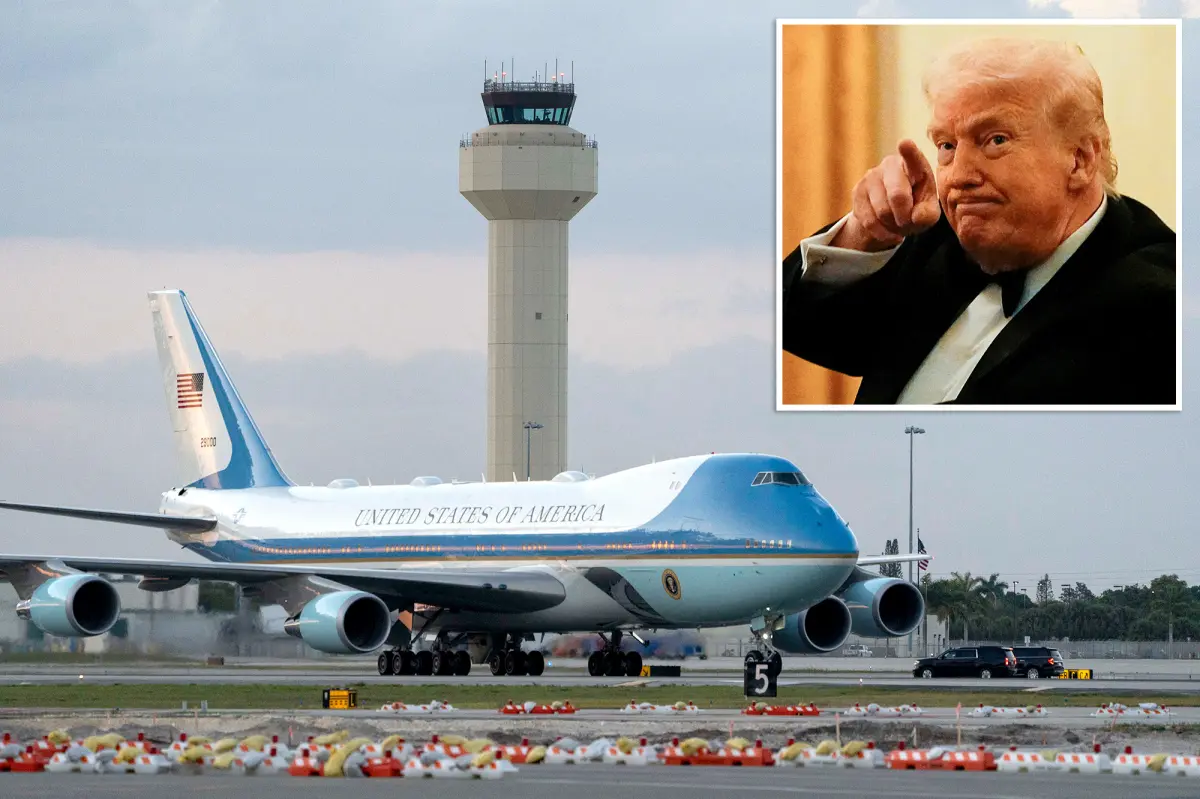
Imagine stepping off a plane at an airport and being greeted not just by the usual bustle of travelers and the hum of jet engines, but by a name that evokes the bold strides of American leadership—think John F. Kennedy International, where every landing feels like a nod to the man who urged us to the moon. Now, picture Palm Beach International Airport in Florida on the cusp of a similar transformation. This sun-soaked gateway, nestled just a stone’s throw from the opulent Mar-a-Lago estate where President Donald Trump calls home, could soon shed its current moniker for one that honors the 45th commander in chief while he’s still in office. It all started when Florida lawmakers gave the green light to a bill renaming it after Trump, a move that’s sparking debates across the state and beyond. If Governor Ron DeSantis approves it and the Federal Aviation Administration gives the final nod, come July 1, flyers touching down here would be reminded not just of tropical escapes but of a president whose policies and personality have kept the nation divided and intrigued. It’s a bold gesture, one that places Trump among a select group of presidents immortalized on airport signage, turning a routine layover into a subtle political statement. As you wheel your suitcase through the terminals, maybe pausing to grab a coffee from a kiosk overlooking the palm-lined runway, it’s hard not to wonder how such a name might color travelers’ perceptions—do conservatives beam with pride, while others roll their eyes? This isn’t just about logistics; it’s about legacy etched into the fabric of everyday travel, where history intersects with the roar of takeoff.
Delving deeper into Palm Beach International’s story, this isn’t merely about swapping signs—it’s about geography and symbolism intertwining in ways that feel almost poetic. Located mere minutes from Trump’s primary residence, the airport has long served as a convenient conduit for the jet-set crowd, from celebrities to statesmen. Renaming it would make it the ninth commercial U.S. airport to bear a president’s name, joining an illustrious lineup spanning from New York City’s skyscraper shadows to Houston’s sprawling skies. What’s particularly striking here is the timing: Trump would be the first to receive this honor while still occupying the White House, a first that adds an extra layer of urgency and controversy to the procedure. Picture the scene in 1947 when the airport first opened as Palm Beach Airport International—now, decades later, it’s poised to evolve again, reflecting how leaders’ dreams and battles get woven into the public infrastructure. Travelers might reminisce about Trump’s rallies or policies as they wait for luggage, or perhaps feel a twinge of unease remembering the impeachments and impeachment trials that defined his era. Yet, in a country where airports often mirror local pride—think how Detroit’s hub celebrates auto giants— this Florida rename tugs at themes of patriotism and partisanship. It’s not just a name; it’s a living monument, where the echo of applause from Mar-a-Lago could be imagined mingling with the clamor of departing flights.
Of course, not everyone is cheering about this plan. The proposal, swiftly passed by the Florida House and Senate, drew sharp criticism from some Democrats in the Sunshine State, who voiced worries over the hefty price tag of rebranding—think new signage, updated maps, websites, and all the bureaucratic red tape that comes with erasing the old and embracing the new. They argued it lacked genuine community input, that it wasn’t a grassroots effort like some of the others on the list. Imagine the frustration: local residents, perhaps retirees sipping iced tea on lanai porches overlooking the beach, feeling sidelined in a decision that affects their daily commutes and sense of place. The backlash isn’t just about dollars and cents; it’s about representation. In an era where trust in institutions wanes, renaming an airport without broad consensus can feel like one more division in a fractured political landscape. Proponents, however, see it as a heartfelt tribute, a way to honor a leader whose impact reverberates through Florida’s development and beyond. White House Communications Director Steven Cheung captured the enthusiasm on X, where he chimed in that the new name “has a GREAT ring to it”—a succinct burst of affirmation that underscores how such changes can energize supporters. As travelers, we might sympathize with both sides: the excitement of fresh beginnings versus the wariness of imposed identities. This debate humanizes the process, reminding us that airports aren’t sterile hubs but battlegrounds of memory and ideology, where every flight can carry echoes of national discourse.
Shifting from Florida’s horizon to the heartland, let’s explore airports that have already etched presidential legacies into their identities, starting with Abraham Lincoln Capital Airport in Springfield, Illinois. Renamed in 2004, this hub honors the 16th president, whose humble beginnings and towering visions are synonymous with the city that was his longtime home. Picture Lincoln himself, that lanky figure with his stovepipe hat and folksy wisdom,.striding through these runways in spirit—perhaps whispering about equality as planes ascend toward the open sky. The airport began life as Capital Airport back in 1947, a nod to Springfield’s status as the state’s capital, and adding Lincoln’s name wasn’t just a rename; it was a reclamation of history. On chilly Midwestern mornings, when frost clings to the tarmac and travelers bundle up against the wind, one can almost hear the ghosts of Lincoln’s debates resonating. It’s a place where locals share stories of his laws that reshaped America, turning a routine visit into an immersive dive into civics. Travelers from afar might pause at a plaque or display, learning how Lincoln’s legacy as the Great Emancipator ties directly to this soil, making every departure feel like a vote for progress. In a world of instant flights and forgotten histories, this airport humanizes leadership, reminding us that presidents aren’t distant figures on screens but guides etched into our journeys.
Jumping from Illinois’s plains to North Dakota’s Badlands, we encounter Dickinson Theodore Roosevelt Regional Airport, a nod to the 26th president who found inspiration in the rugged wilderness. Originally opening as Dickinson Municipal Airport in 1959, it was rechristened to celebrate Roosevelt’s indelible mark on the area, shadowed by the majestic Theodore Roosevelt National Park where he once hunted and hiked. Imagine Roosevelt, that bull moose of a man with his square jaw and enduring spirit, cantering across these lands on horseback, drawing parallels between conquering nature and conquering adversity. The airport’s name reflects his environmental ethos and adventurous soul, stories that unfold during layovers—perhaps an exhibit on his “strenuous life” philosophy, urging visitors to embrace challenges like a brisk prairie wind. Locals might regale newcomers with tales of cattle drives and conservation victories, infusing the air with a sense of rugged individualism. As jets roar overhead, mimicking the freedom he championed, travelers feel a connection to history’s explorers, where waiting for a flight becomes a mini-adventure in remembering a president who believed in charging forward. In contrast to urban hubs, this airport’s quiet expansiveness humanizes Roosevelt, transforming what could be mundane into a celebration of American grit and the great outdoors.
Continuing westward, Wichita Dwight D. Eisenhower National Airport in Kansas stands as a testament to the general-turned-president who led through transformative times. Renamed in November 2014 following a spirited community petition, it honors Ike, the 34th president who called Kansas home and oversaw the end of World War II and the dawn of the interstate system. Envision Eisenhower, that steadycraftsman with his pipe and farm roots, strategizing liberation routes that mirrored the highways he championed—now, his name graces travelers zooming to Wichita’s aviation industry hub. The rebrand came after years of advocacy, echoing how grassroots movements can redefine our skies, making every passenger’s experience a blend of pride and remembrance. On clear Kansas afternoons, as golden wheat fields stretch to the horizon, folks might reflect on Eisenhower’s “hidden-hand” leadership during crises, turning airport lounges into impromptu history lessons. It’s a place where families share tales of his boyhood in Abilene, humanizing the Cold War icon as someone who valued simplicity and resolve. Wander through here, and you sense how such names bridge past and present, ensuring presidents like Ike remain touchstones for resilience amid the constant whoosh of propellers and dreams of destinations afar.