





Paragraph 1
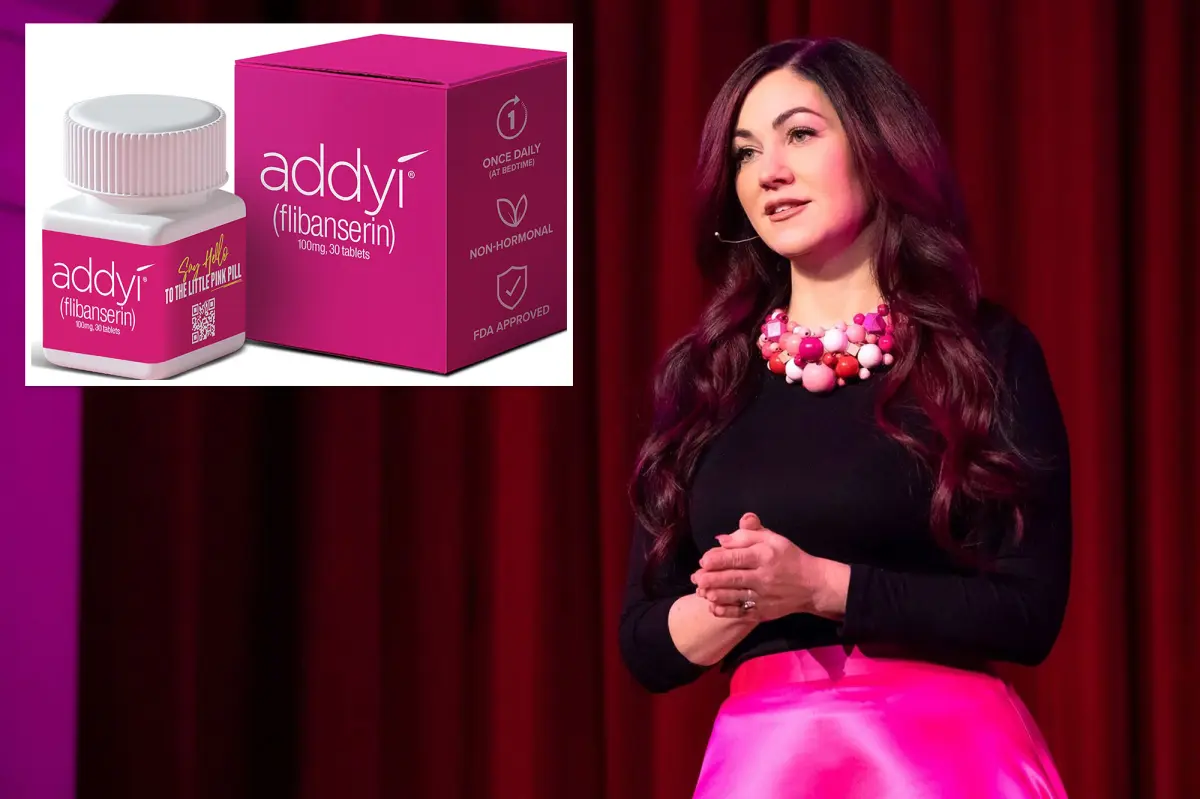
Imagine flipping through the channels and landing on a documentary that dives into the world of pharmaceuticals, sex, and the tug-of-war over what women can and can’t have. “The Pink Pill: Sex, Drugs & Who Has Control” is set to hit Paramount+ this Friday, and it’s all about the bumpy road that Flibanserin—that’s Addyi to its friends—took to win FDA approval. Picture this as a real-life drama: a little pill designed to boost women’s libido, battling red tape, skepticism, and debates over whether it’s a genuine medical need or just society meddling in bedrooms. It’s not just a story of science; it’s wrapped up in emotions, equality, and who gets to call the shots on what we call “normal” in intimate matters. The documentary pulls back the curtain on how personal health issues can turn into public battles.
Paragraph 2
At its heart, Addyi is often called the “female Viagra,” but that’s selling it short—and sparking debates it didn’t ask for. The pink pill works by targeting neurotransmitters in the brain to help women with hypoactive sexual desire disorder feel more interest in sex. But getting to that pink coating wasn’t easy. The drug’s creators had to convince everyone—from doctors to regulators—that female sexual health wasn’t just a “phase” or something women should hush about. Think about it: for decades, Viagra sailed through approvals for men with barely a whisper of controversy. Addyi? It faced hurdles that felt like climbing Everest in heels. The doc explores how this mirrored broader inequalities, where women’s bodies and desires have historically been sidelined in medicine.
Paragraph 3
The obstacles Addyi faced were epic, more like a thriller plot than standard pharma history. There were safety concerns—early trials showed side effects like dizziness and nausea that had everyone questioning if the benefits outweighed the risks. Then came the politics: critics argued it was dangerous, potentially leading to addiction or worse. The FDA initially rejected it not once, but twice, sending the company back to the drawing board in 2010 and 2013. “Rejection city” for Addyi meant years of tweaks, more studies, and probably a lot of forehead-slapping in boardrooms. The documentary humanizes this by sharing stories of women who felt invisible without options, plus the scientists and advocates who fought tooth and nail, turning frustration into fuel.
Paragraph 4
Securing FDA approval finally happened in 2015, but not without a catch: it came with a black box warning—the FDA’s way of saying “use with extreme caution.” Patients had to take it daily, and post-menopausal women got conditions tied to it. It’s fascinating how the doc breaks down the approval as a victory masked in caveats, highlighting how regulatory bodies balance innovation with protection. Along the way, we see the influence of lobbies—pharma giants and women’s health groups clashing like gladiators. The pink pill became emblematic of the fight for autonomy, proving that getting a drug to market is about more than lab results; it’s a power struggle. Who controls the narrative on sex and health? This approval chip says a bit, but not all, of what’s been reframed.
Paragraph 5
The “Sex, Drugs & Who Has Control” angle ties it all together with gritty realism. The documentary doesn’t shy away from the drug’s nickname or the stigma around women’s sexuality—how it’s been medicalized, psychologized, or just plain dismissed. It explores how Addyi intersects with broader drug culture: amphetamines for energy, opioids for pain, but what about pills for pleasure? Yet, power dynamics shine through. Doctors, advertisers, and even partners might steer conversations about sex, leaving women to navigate a minefield. By humanizing anecdotes—women sharing candid tales of longing and loss, researchers battling bureaucracy—it makes the process feel personal, not just bureaucratic. It’s a reminder that in the era of wellness trends and biohacks, true control often feels just out of reach.
Paragraph 6
Premiering this Friday on Paramount+, “The Pink Pill” leaves viewers pondering the future: will more options emerge for female sexuality, or is this just the start of normalizing conversations that were taboo? It’s an eye-opener, blending interviews, archival footage, and emotional storytelling to show triumphs and contradictions. If you’re curious about how a simple pill sparked nationwide debates on gender, health equity, and the ethics of desire, this is your watch. It’s not preachy—it’s provocative, making you think twice about what’s “approved” in life beyond the label. tune in, and see if Addyi’s legacy is pink skies or more gray areas ahead.