


H-E-B Crowned America’s Top Grocery Store for the Fifth Time
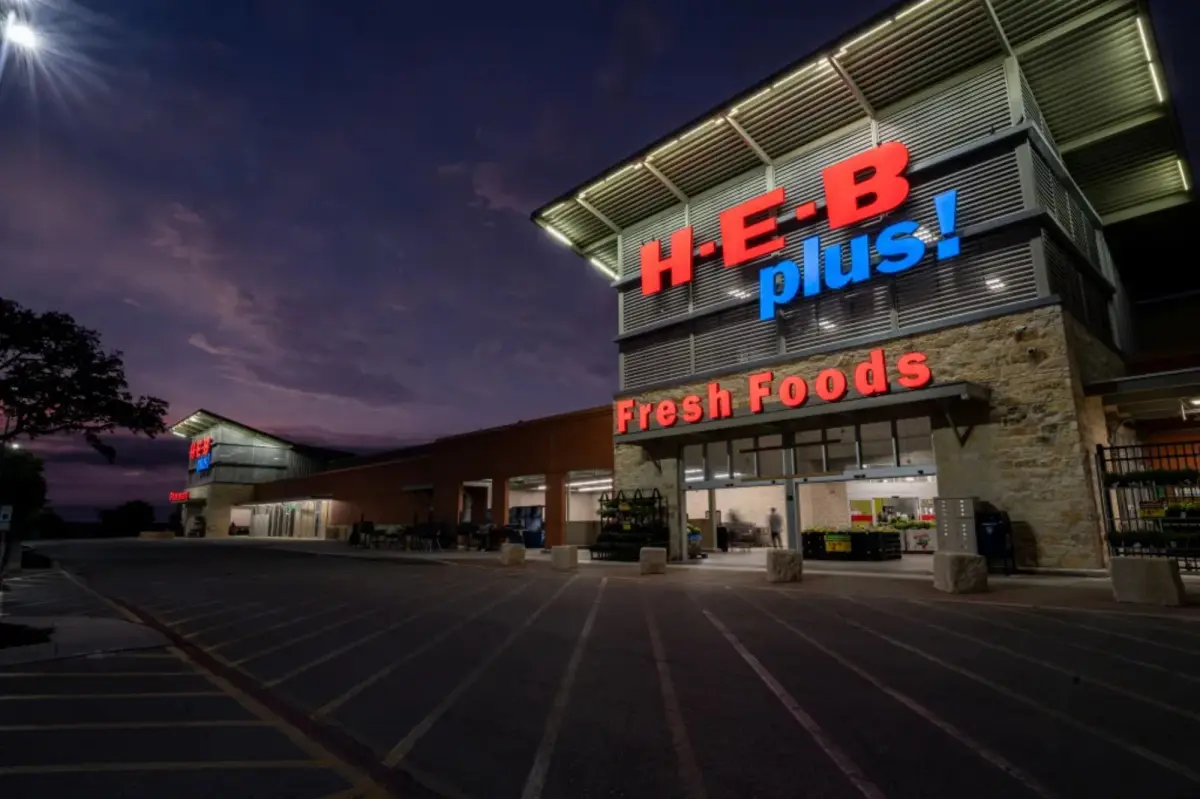
In a landmark achievement that speaks volumes about its dedication to customer satisfaction, Texas-based chain H-E-B has once again claimed the prestigious title of America’s top grocery retailer. This marks the fifth time in nine years that the San Antonio-based company has earned this distinction, outperforming major industry players including Amazon, Costco, and Trader Joe’s. According to Dunnhumby’s comprehensive annual ranking, which evaluated 81 major US grocery stores based on both financial performance and consumer feedback from over 11,000 American shoppers, H-E-B has established itself as the gold standard in grocery retail. The family-owned business, with its rich heritage dating back to 1905 and its expansive network of more than 440 stores, has been recognized for its “superior ability to deliver a combination of better savings, quality, experience, and assortment,” demonstrating that its customer-centric approach continues to resonate deeply with American shoppers.
What makes this year’s rankings particularly noteworthy is the unprecedented dominance of regional chains in the top spots. Massachusetts-based Market Basket secured the second position, while Wisconsin’s Woodman’s claimed third place, marking the first time that regional retailers have swept the top three positions in the US grocery landscape. This shift signals a meaningful change in consumer preferences, suggesting that shoppers are increasingly valuing the personalized experiences and community connections that regional chains often prioritize. The remainder of the top ten featured a mix of national chains and specialty retailers, with Costco ranking fourth, followed by Aldi, WinCo Foods, Trader Joe’s, Amazon, Wegmans, and ShopRite. Interestingly, Amazon, which had dominated the rankings in 2021 and 2022, dropped two positions this year, while warehouse club retailer Sam’s Club experienced a more significant decline, falling six places from its previous ranking.
The Dunnhumby study provides valuable insights into the factors that matter most to today’s grocery shoppers. Participants were questioned about various aspects of their shopping experience, including pricing strategies, product quality, convenience factors, operational efficiency, and online ordering capabilities. These comprehensive metrics help paint a picture of what drives consumer loyalty in the current retail environment and reveals which retailers are most effectively meeting these evolving demands. The rankings emerge against a backdrop of increasing financial pressure for American consumers, with shopper confidence notably declining throughout the past year amid widespread concerns over escalating prices, perceived limitations in job opportunities, and wages that have failed to keep pace with inflation.
Matt O’Grady, president of the Americas for Dunnhumby, highlighted the economic challenges facing consumers, noting that “Consumers across all income levels are feeling the squeeze and making more price-conscious choices.” This observation underscores a fundamental shift in shopping behaviors as Americans from various socioeconomic backgrounds adapt to the realities of a challenging economic climate. O’Grady emphasized the critical importance of building consumer trust in this environment, stating that “building trust with American shoppers has never been more critical.” This insight suggests that retailers who can effectively demonstrate value, transparency, and reliability stand to gain significant competitive advantage in today’s marketplace, where shoppers are increasingly scrutinizing their purchasing decisions and seeking retailers who understand their financial concerns.
The economic context surrounding these rankings is further illuminated by recent inflation data. According to the December Consumer Price Index (CPI), overall food prices increased by 0.7% for the month and showed a 3.1% rise compared to the previous year. These figures represent a significant financial burden for many households, particularly when considered alongside the broader inflation picture. The all-items CPI index revealed that inflation pushed prices 0.3% higher last month, contributing to a 2.7% increase on an annual basis. These persistent inflationary pressures help explain why consumers are increasingly prioritizing value and affordability in their shopping choices, creating an environment where grocers must carefully balance quality offerings with competitive pricing to maintain customer loyalty.
H-E-B’s continued success in this challenging economic landscape speaks to its remarkable ability to adapt to changing consumer needs while staying true to its core values. The Texas chain has effectively balanced competitive pricing with high-quality products, creating an in-store experience that resonates with shoppers seeking both value and satisfaction. As regional chains continue to challenge national players for market dominance, the grocery industry appears to be entering a new era where local connections, personalized service, and community engagement may prove just as important as scale and technological innovation. For consumers navigating rising food costs and economic uncertainty, retailers like H-E-B that can deliver consistent value while fostering trust and loyalty are likely to continue thriving, even as the broader retail landscape evolves in response to changing economic conditions and shopper expectations.