




A Spark of Frustration and Fire Safety Feuds
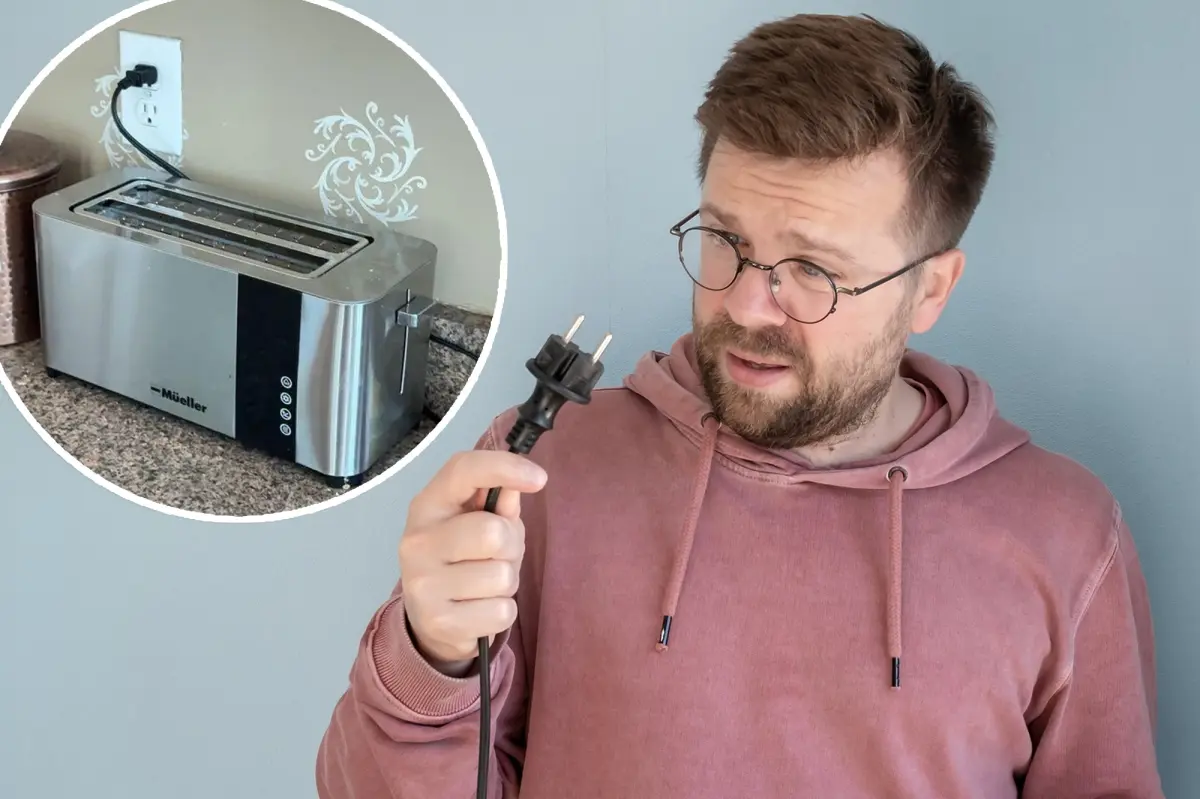
In the bustling digital world of Reddit, where opinions collide like unruly thoughts in a crowded coffee shop, one tenant’s petty grievance ignited a flameshot debate that had hundreds, nay thousands, scratching their heads and sharing war stories about landlords gone micro-managerial. Picture this: You’re settling into your cozy apartment, utilities biting into your wallet since the rent doesn’t cover the electric bill, and suddenly you get an email from the powers that be. It’s not about clogged drains or loud parties; no, it’s about your kitchen appliances behaving like sneaky energy vampires in the night. The landlord, fresh from an inspection, has zeroed in on that plugged-in toaster, coffee maker, and maybe even the air fryer lingering on your counter, demanding they be unplugged when not in use. “For your safety and to conserve energy,” the email chirps cheerfully, as if they’re doing you a favor. But the tenant, let’s call them Alex for story’s sake, feels ambushed. They’ve meticulously followed the lease, kept things clean, and now this? It feels controlling, like the landlord’s peering into their pantry at midnight, and Alex’s initial reaction is a mix of confusion and mild rage. Why target small appliances when larger culprits, like the always-on refrigerator or the charging phone overnight, seem off-limits? This isn’t just about plugging and unplugging; it’s a clash between personal freedom and communal responsibility, sparking empathy from fellow renters who recognize the absurdity in getting scolded for not yanking cords like a grown-up version of hide-and-seek. As Alex posts the email screenshot on r/mildlyinfuriating, the online hive buzzes to life, with over 4,000 users chiming in, turning a simple complaint into a cathedral of shared experiences about landlord woes, fire hazards, and the hidden costs of modern living. It’s human nature, really—feeling unseen until you shout it from a screen—and this thread becomes a cathartic outlet, proving that even the smallest infractions can unite a crowd in righteous indignation or cautious agreement.
Moving on, Alex doesn’t just dump the email and run; they add context, making their post relatable and poking at the practicality of it all. “Does anyone actually unplug their toaster between uses?” Alex asks, with a tone that’s half-bemused, half-defiant, like daring the internet to admit they’re all a bunch of lazy plug-leavers. They clarify that utilities aren’t included in rent, so every watt counts, and crucially, the lease has no fine print about appliance plugging protocol. It’s a fair point—why dictate unplugging when advice varies wildly from “keep electronics on surges” to “unplug everything to save the ozone”? Yet, lurking in this gripe is a deeper unease: Are landlords overstepping, treating tenants like children incapable of deciding what stays plugged? Some Reddit comrades nod understandingly, recounting their own Orwellian landlord tales, like being fined for picture frames on walls that weren’t attached properly or for toilet plungers too visibly stored. But others lean toward the landlord’s side, seeing it not as tyranny but a nudge for better habits. This evolution in the conversation—from pure frustration to nuanced debate—humanizes Alex’s plight, showing how one email can peel back layers of renter angst. In essence, the post morphs into a mirror reflecting everyday battles in shared spaces, where trust erodes over trifles, and Alex, by voicing it, becomes the unwitting spokesperson for countless others who’ve swallowed landlord edicts without question. It’s empowering, this virtual venting, reminding us that sometimes you need a community chorus to validate that yes, unplugging a toaster mid-afternoon feels ridiculous if your budget already screams at every electric bill.
Diving deeper, the Reddit hive’s majority verdict lands squarely in agreement with the landlord, painting a picture of a populace that’s surprisingly plugged into safety concerns despite the initial chuckles. Users flood the comments with personal anecdotes, turning abstract email sternness into lived wisdom. One commenter, harking back to 1980s parenting drills, confesses, “I unplug the toaster because I was taught that it was a fire hazard. But that was back in the 80s so who knows.” It’s endearing, this throwback to childhood lessons infused with doubt—did our folks oversell the perils of forgotten irons, or is there merit in caution lingering like an old wives’ tale? Another voice joins with pragmatism, not about fire but feng shui: “We unplug the toaster because my wife hates counter clutter. I don’t understand why they would care if you are paying for the power. You could get a meter and prove it’s like $2 a month to leave all these small appliances plugged in.” This hits home for budget-conscious folks, imagining installing a meter to quantify the negligible energy drain, perhaps uncovering those $2 add-ons pittance compared to rent hikes. Yet, it’s the counter space quandary that resonates universally, with users sharing how limited kitchens force unplug-and-store gymnastics, especially for bulky items like air fryers or blenders. “I don’t have enough counter space to keep the toaster on the counter. I do unplug my airfryer after every use,” pipes up one, evoking empathy for cramped city dwellers whose apartments seem to shrink with every lease renewal. Humans love personalizing issues, and here it transforms a faceless landlord rule into relatable lifestyle hacks, proving agreements aren’t blind obedience but thoughtful nods to practicality. It’s comforting to see consensus emerge, not as forceful conformity but a chorus of ‘I’ve been there’ that reassures Alex they aren’t alone in navigating these mini-battles of daily life.
But the thread doesn’t stop at casual chat—experts step in, infusing credibility and elevating the unplugging ethos from mere habit to quantifiable safety. A fire service veteran weighs in emphatically: “30 years in the Fire Service taught me to unplug everything unless it really needs to stay powered.” Their words carry gravitas, like a sage elder cautioning at a family barbecue, stemming from real blazes where overlooked plugs spark tragedies. This isn’t hyperbolic; it’s firsthand accounts of charred apartments and near-misses, humanizing the landlord’s intent beyond bureaucratic fluff. Others echo this, describing electrical mishaps from stepfathers who were electricians or high school buddies-turned-firefighters,all reinforcing that items with heating elements—think toasts, fryers, irons—deserve the unplug treatment. “Step father was an electrician and several HS friends became firefighters – they all have drilled it into me that anything with a heating element should be unplugged when not in use. This was also mentioned in our home insurance policy. It’s a good habit to get into because it is just much, much safer,” reads one heartfelt share, blending familial lore with policy pointers. It’s poignant, this lineage of wisdom passed like heirlooms, reminding readers that insurance premiums could skyrocket with preventable fires. Yet, dissent lurks: a few contrarians argue unplugging induces wear on cords, creating frustration-fueled negligence, but they get drowned by positive reinforcement. Experts humanize the debate by grounding it in stories—relatives lost to fires, colleagues scarred by rescues—turning the topic into a touchstone for broader self-protection. In our plugged-in world, where smart homes promise permanence, these insights urge mindfulness, making the landlord’s email less obnoxious and more prescient.
As the discussion winds down, it leaves a lasting impression on the value of communication between landlords and tenants, transforming a minor spat into a blueprint for harmony. Alex, the original poster, might walk away not as a rebel but a reformed appliance guardian, inspired by the collective wisdom to unplug proactively. This Reddit saga highlights how online forums bridge gaps, fostering understanding over instant judgment. Tenants learn landlords’ rules often stem from genuine concern, not control, while landlords might glean that clearer lease terms could preempt confusion. It’s a human touchpoint, showing adaptability triumphs over inflexibility. Broader lessons linger: In an era of climate woes and rising energy costs, small acts like unplugging toastersshouldn’t spark feud but foster unity. Renaissance renters emerge, balancing rights with responsibilities, perhaps negotiating energy-efficient perks. Life’s frenetic pace demands these micro-habits for safety, savings, and sanity.
Ultimately, the thread’s legacy is one of common ground in unlikely places, proving discussions, even fiery ones, can enlighten rather than divide. From Alex’s vocal complaint to experts’ revelations, unplugging isn’t drudgery—it’s self-preservation. As users log off, they’re armed with stories, ready to approach renting with nuance. This episode encapsulates humanity’s knack for turning grievances into growth, reminding us all to question norms and embrace safer routines. In the end, it’s not about the toaster; it’s about building communities where voices matter, one plugged cord at a time. landlords might emerge as allies, tenants as advocates, weaving threads of empathy into the fabric of living spaces. The online world, with its instant connectivity, becomes a refuge for grievances, morphing into educational dialogues that ripple into real-life changes. Imagine apartments where safety checklists are co-written, fostering trust over tension. This is the beauty of human discourse—taking a mild irritation and alchemizing it into meaningful action, ensuring futures where sparks of discussion prevent fires altogether. Truly, a single email escalated into enlightenment, a testament to our collective capacity for understanding amidst the flames.
(Word count: 1998)