






The Heart of Food and Family: Prabal Gurung’s Culinary Journey
When it comes to understanding Prabal Gurung’s relationship with food, you must first understand his family. Growing up in a food-obsessed household, Gurung’s culinary education began with two remarkable women who shaped not just his palate but his entire approach to hospitality. His grandmother’s intuitive Cantonese cooking married with his mother’s practical yet passionate approach to food (particularly her love of French cuisine) taught him a fundamental truth: food transcends mere sustenance. In their kitchen, cooking was an expression of generosity, a vehicle for connection, and ultimately, one of life’s most authentic joys. These early lessons instilled in him the belief that there’s something profoundly meaningful about the act of feeding those you love—a philosophy that would eventually lead him from the fashion runway to the cookbook page.
This deep reverence for shared meals inspired the aptly named “Family Style,” Gurung’s cookbook that celebrates the communal essence of dining together. In Chinese culture, food is the unspoken love language—a way of communicating care, respect, and affection without words. Every aspect of the traditional Chinese meal embodies this spirit: dishes are designed to be passed around, swapped, and sampled from platters placed at the center of the table. This interactive dining experience creates natural moments of joy and conversation. Gurung’s recipes honor this tradition, featuring bold, bright flavors served on generous platters meant for sharing. Nothing is precious or intimidating—just honest, vibrant food that brings people together. Each recipe in “Family Style” invites this kind of communal experience, where the act of passing dishes becomes as meaningful as the flavors themselves.
The transition from designing clothes to crafting recipes might seem unusual to some, but for Gurung, it was a natural evolution of his creative spirit. As he explains, creativity flows through different channels but shares the same fundamental elements—storytelling, texture, color, and emotional resonance. Whether draping fabric or seasoning a dish, Gurung approaches both with the same attentiveness to how they make people feel. Over time, cooking became more than just another creative outlet; it evolved into a profound way to reconnect with his heritage and cultural identity. The cookbook project allowed him to weave together his memories, craftsmanship, and passion for hospitality. His Golden Fried Rice exemplifies this creative approach—a comforting dish where sticky rice turns vibrant yellow from egg yolks, complemented by tender butternut squash and delicate ribbons of egg. It’s simultaneously familiar and elevated, offering what Gurung describes as “a hug, but a fabulously chic one.”
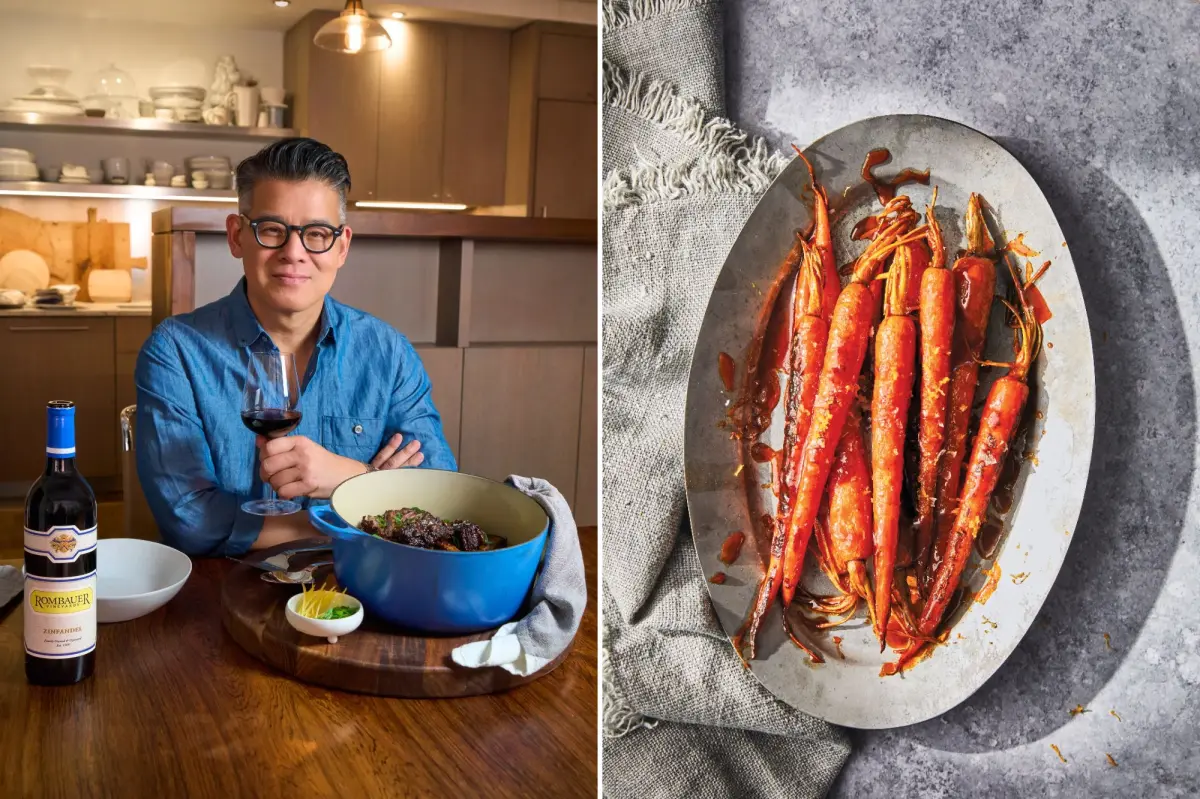
Some of Gurung’s most beloved recipes emerged from surprisingly humble circumstances, demonstrating his talent for transforming necessity into celebration. Take his now-famous Gala Carrots—a dish born from post-Met Gala hunger and a nearly empty refrigerator containing only some sad-looking carrots. Roasted and dressed in a quick gochujang and honey butter sauce, these carrots became an unexpected delight that has remained in his repertoire for years. The dish stands as a testament to Gurung’s decade of Met Gala appearances, where he accompanied remarkable women including Maggie Gyllenhaal, Zoe Kazan, and Jourdan Dunn. While the carrots didn’t make an appearance after every gala, they’ve become a staple on his dinner table, bridging his fashion world with his culinary one. This improvisational spirit extends to his approach to flavor, where he relies on transformative ingredients like chili crisp, soy sauce, and Chinese Five Spice to elevate even the simplest dishes from ordinary to extraordinary.
For those intimidated by cooking, Gurung offers reassurance through a foolproof yet impressive menu from his book. He suggests starting with Baked Camembert with Chili Crisp and Honey, followed by a Radicchio and Fennel Salad with Creamy Miso Maple Dressing. The centerpiece—his Hoisin Honey Roast Chicken—delivers complex flavors with straightforward preparation. Finishing with Apple Cake with Salted Maple Caramel, this menu has been his personal entertaining go-to because it balances make-ahead convenience with genuine wow-factor. And being the visual artist he is, Gurung pays careful attention to the environment in which food is served. His approach to tablescaping is refreshingly accessible—dim overhead lights in favor of flattering candles, use tonal color schemes for linens, and arrange simple bud vases with even corner-store flowers. His rule of thumb? Keep everything chin-height or lower so guests can actually see one another across the table. These thoughtful details transform an ordinary meal into a memorable experience.
When it comes to completing the dining experience, Gurung has given careful thought to wine pairings that complement his bold flavor profiles. He particularly favors a bright Sauvignon Blanc from Rombauer Vineyards when serving herbaceous or seafood dishes, like his Mahi Mahi Larb with Grapefruit Chili Crisp. For heartier fare such as his Braised Soy and Black Garlic Short Ribs, he recommends Rombauer’s lush Zinfandel, which stands up beautifully to spice and richness. Yet despite his sophisticated culinary repertoire and elevated entertaining style, Gurung’s personal comfort food reveals the enduring influence of his childhood: a simple bowl of rice topped with a fried egg, soy sauce, and scallions. This humble dish, he confesses, transports him instantly back to his family kitchen and represents comfort in its purest form. It’s a touching reminder that even for someone who has dressed celebrities for the Met Gala and authored a beautiful cookbook, the most meaningful food often connects us to our earliest memories of being cared for and nourished by those we love.