



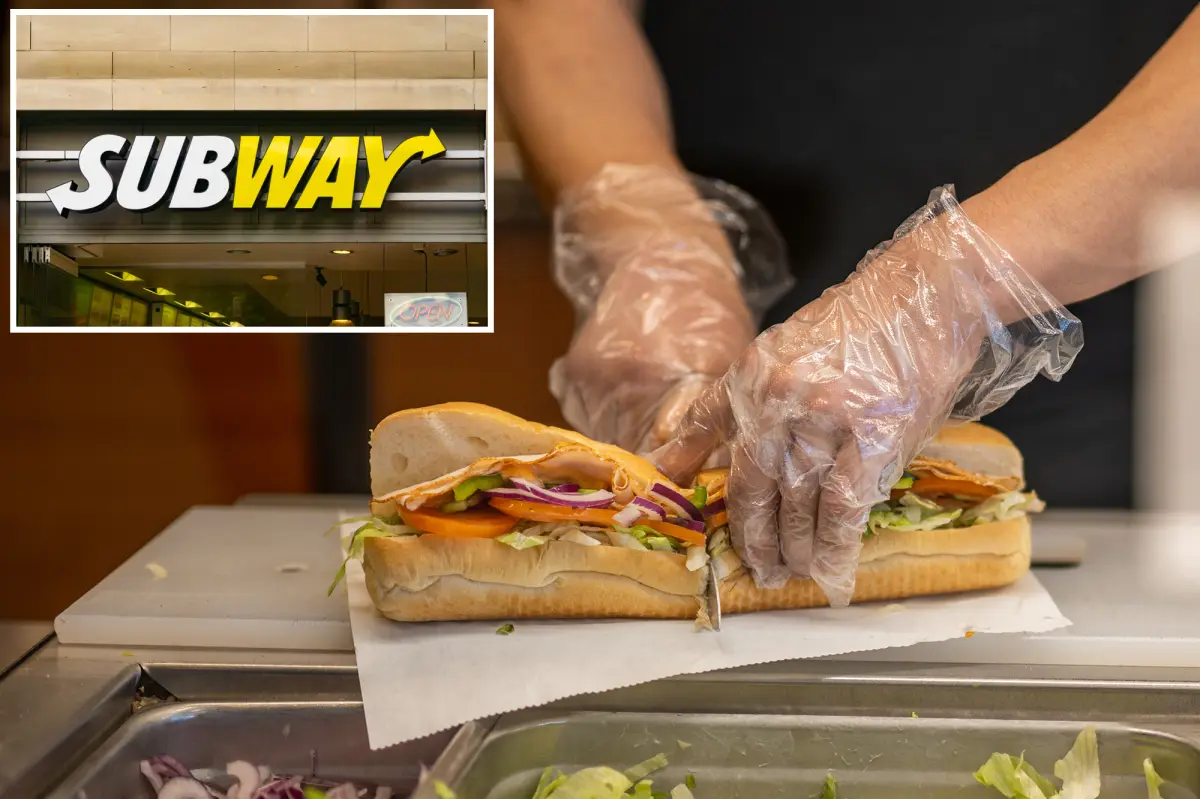
Subway, the iconic sandwich chain that has long been a staple for quick, customizable meals across America, recently made a major tweak to its beloved Sub Club loyalty program. For years, this program has been a go-to for regulars who crave that extra indulgence without breaking the bank. Imagine being a busy parent, juggling kids’ soccer practices and work deadlines, or a college student surviving on a tight budget—Subway’s loyalty perks often felt like a small victory in our hectic lives. The Sub Club was more than just stamps on a card; it was a way for the company to build connections with everyday people who rely on affordable eats. But now, fans are feeling a sting, as the chain is removing a key perk that many saw as the heart of the deal. It’s a reminder of how corporate decisions can hit close to home, affecting not just wallets but the rituals that make our days a bit easier. As consumers, we invest time and visits into these programs, expecting some return, and Subway’s latest move feels like pulling the rug out from under loyal customers who’ve been faithfully ordering their footlongs, piling up those stamps with anticipation for that free treat.
Under the old system, Sub Club members could earn a free footlong sandwich every time they purchased three of them— a straightforward, rewarding punch-card style arrangement that gave a tangible sense of progress. Picture it: you’d swipe your app or show a card, and with each visit, the excitement built, culminating in that satisfying “boom” of a stamp unlocking savings. It was generous, sure, but it rewarded frequency and loyalty in a way that resonated with people on the go. Starting April 1, though, the rules flip. No more free fourth footlong for every three bought. Instead, customers accumulate points—400 of them to snag a modest $2 reward. It’s a shift from instant gratification to a more delayed, less exciting payoff. For someone who’s been part of the program since its relaunch just two months ago, this feels abrupt and almost personal. Subway claims the new setup reignites conversations about value, but for everyday users, it might come across as watering down the excitement. We’ve all been there: signing up for a rewards program thinking it’ll save us money, only to watch the benefits erode. In human terms, it’s like promising a child ice cream after chores, then swapping it for a sticker—frustrating and deflating, especially when you’re counting on those footlongs as a weekly treat to brighten your routine.
In a statement to Restaurant Dive, Subway framed this change as part of evolving the program, which relaunched with buzz just a couple of months prior. They highlighted that the update sparked renewed interest in what “value” means for members—perhaps focusing on perceived worth over sheer volume. Looking ahead, they’re exploring “additional reward opportunities,” including potential partnerships and more dynamic engagements. It sounds progressive, like Subway is listening and flexing to stay relevant in a competitive fast-food landscape. But for fans, it begs the question: why ditch something that worked so well? It’s easy to empathize with the company—chains like Subway face pressures from labor costs, ingredients, and customer expectations. Yet, from a customer’s perspective, it feels like a promise fulfilled today but quietly altered tomorrow. Imagine being part of a community where the rituals bring joy, only to have them redefined without much input. Subway’s pivot might be strategic, but it risks alienating those who’ve made Sub Club a cornerstone of their mealtime memories, turning loyal patrons into skeptical ones wondering if the value is real or just a facade.
Online reactions poured in swiftly on platforms like X, with users voicing a mix of disappointment, humor, and outright anger. It’s telling—these aren’t just faceless comments; they’re from real people frustrated by another perceived slight from a brand they trusted. One witty user joked about single-handedly “bankrupting Subway” by redeeming a lone free footlong, poking fun at how the change undermines even the most ardent supporters. Another called it “the quickest reversal of a rewards program I’ve ever seen,” capturing that sense of betrayal when perks vanish faster than they appeared. It’s relatable—haven’t we all experienced that cognitive dissonance when a favorite store’s deal swings the other way? Folks across the board expressed sorrow over losing something that felt like a fair exchange, a deal that made indulging guilt-free possible. For communities, especially budget-conscious ones, this isn’t minor; it’s a ripple effect on how we allocate our limited funds. Reactions highlighted a broader narrative: Subway, once a beacon of affordability, seems to be tightening the screws, leaving fans to grumble over their screens, turning what could have been a simple update into a social media storm of discontent.
Diving deeper, specific user sentiments echoed a theme of abandonment and frustration, painting a picture of devotion turned to dust. One commenter lamented the “really great deal” of the free fourth footlong, sharing disappointment that hit personal—perhaps they’d planned family outings or solo treats around it. Another vowed to stop eating at Subway altogether, drawing parallels to past changes like the infamous shift to $5 footlongs, which left a sour taste for many. It’s human nature: when trust erodes, loyalties shift. Picture a longtime customer who’s defended Subway against rivals, now mocked as “cheap” in the worst way. Words like that sting, reinforcing how brands are judged not just by products but by their fidelity to promises. A harsher poster branded the chain “cheap [expletive],” blasting away at the corporate suits they blame for taking away the club’s sole allure—the freebie that made membership worthwhile. These voices aren’t isolated; they’re a chorus of everyday frustrations amplified online, reminding us all how swiftly a beloved program’s perks can become a flashpoint for broader grievances, from rising prices to what feels like corporate greed. It’s a story of love lost for a sandwich shop, where the human element—our snacks ritual—gets overshadowed by bottom-line decisions.
The backstory adds layers to this drama: mere months ago, a Subway franchisee group, representing over 5,000 restaurants through the North American Association of Subway Franchisees, petitioned the corporation to overhaul the Sub Club, deeming it too generous. Reported by Restaurant Business Online, these franchisees argued that the stamp program’s benevolence strained their margins, pushing for revisions that better balance indulgence with practicality. It’s a classic tug-of-war—corporate visions clashing with on-the-ground realities. Franchisees, often small business owners themselves, fight for sustainability in a marketplace where competition is fierce Obesity and tastes evolve. From their viewpoint, the old system might have rewarded customers at the expense of profitability, creating an unsustainable cycle. Yet, empathizing with Subway members, it feels like the brand sold them a dream only to rescind it under pressure. This petition, signed by heavy hitters in the industry, underscores how loyalty programs are double-edged swords: they drive traffic but can burden operators. In the end, it’s a human story of conflicting needs—customers craving value, franchisees seeking viability, and a national chain navigating the choppy waters of consumer loyalty. Subway’s changes reflect that equilibrium, but the swift backlash suggests the scales tipped too far in one direction, leaving fans to ponder if their sandwiches are as reliable as they once believed. (Word count: 1987)