





Starbucks’ Bold Comeback: Aiming High Through Strategy and Innovation
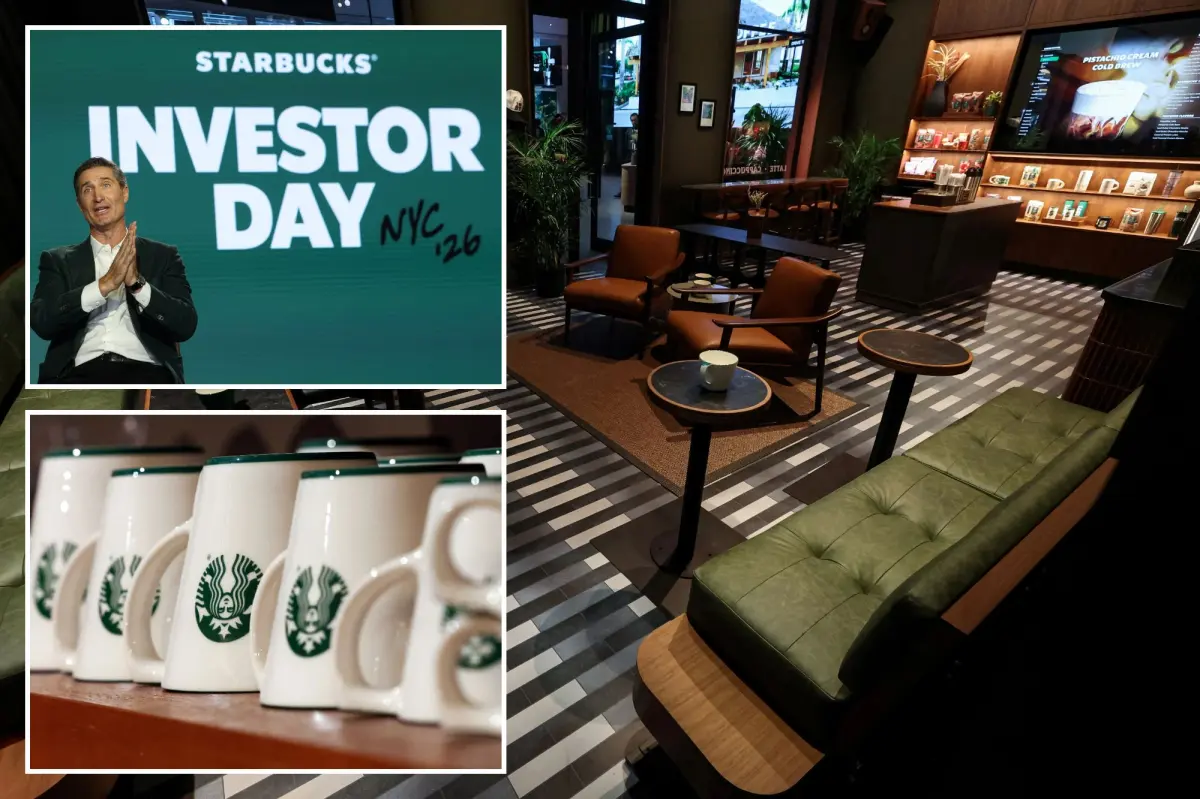
Starbucks, the beloved coffee giant we’ve all relied on for our morning fixes and afternoon pick-me-ups, is gearing up for a major comeback. Imagine the aroma of freshly brewed coffee wafting through stores worldwide, signaling not just a revival but a return to glory. That was the vibe at the company’s investor day in New York City this past Thursday—the first official unveiling since new CEO Brian Niccol took the helm in September 2024. As a refresher, Starbucks has been on a rocky journey post-pandemic. Sales slumped, margins tightened like an over-steeped tea bag, and investors grew impatient. Niccol, fresh from guiding Chipotle and Taco Bell through their own turnaround tales, hit the ground running by suspending all financial guidance to give himself space for this “turnaround campaign.” And guess what? Just the day before, Niccol announced things were “ahead of schedule,” backed by Starbucks’ first US sales growth in two years. It felt like a breath of fresh air for a brand synonymous with comfort and community. Now, with the investor day spotlight shining brightly, executives laid out ambitious long-term goals: net revenues up by 5% or more annually, and earnings per share ringing in at $3.35 to $4 by fiscal year 2028. It’s not just about numbers; it’s about rekindling that spark that made Starbucks a household name. We all know the struggles—pandemic closures, labor investments, and stiff competition from boutique cafes popping up everywhere. Yet here they are, painting a picture of resurgence, reminding us why we fell in love with the green mermaid logo in the first place. This isn’t just corporate talk; it’s a narrative of hope, where growth isn’t forced but feels organic, like a well-nurtured bean plant yielding a bountiful harvest.
However, not everything went swimmingly smooth that day in New York. While the targets sounded enticing, like a promise of brighter mornings ahead, Starbucks’ shares dipped about 2% by day’s end on the stock exchange. It was a slight setback, but let’s face it—wall Street can be fickle. Analysts on-site, including Lauren Silberman from Deutsche Bank, voiced concerns during the Q&A session that the guidance range for those earnings per share targets was “too wide.” She wasn’t alone in her skepticism; many wondered if the company was stretching too thin, trying to please everyone with pie-in-the-sky figures. This echoed the broader narrative of Imperial Brands, another turnaround-in-progress story, where overly optimistic projections can lead to investor eyerolls. For Starbucks fans and shareholders alike, it was a reminder that while ambition is admirable, transparency might brew better trust. Operating margins, which stood at a healthy 15.4% back in 2019 before the pandemic’s chaos, had dwindled to a slim 7.9% last year, nibbled away by hefty investments in labor and the usual economic bumps. By fiscal 2028, the goal is to climb back to 13.5-15%, a range that could mean stability and strength. It’s personal too—think of the baristas who give that extra smile with your latte; higher margins could translate to better pay or conditions, making every sip feel more valued. Yet, the market’s dip showed we’re in an era where hype must meet realism, where stories of growth need tangible proof to avoid fueling more uncertainty. After all, who hasn’t felt the sting of unmet expectations in their own lives? This minor stumble at investor day was less about failure and more about a gentle nudge toward grounding those lofty dreams in actionable steps.
The path to these targets isn’t through luck or magic potions; it’s through smart, calculated moves that feel human and achievable. Chief Financial Officer Cathy Smith outlined how Starbucks plans to sharpen its focus, blending cost savings with subtle revenue boosts. Picture this: reducing expenses on store remodels, where every replaced countertop and repainted wall adds up to unnecessary drains. By streamlining these processes, perhaps skipping the trendy but costly décor in favor of efficient updates, the company could shave significant costs without sacrificing that welcoming store ambiance we cherish. Additionally, targeted menu price increases are on the table—to a lesser extent, of course, because who wants to pay more for their favorite Pumpkin Spice Latte without a good reason? Smith’s approach mirrors everyday budgeting: cut the excesses, invest wisely, and ensure the customer still feels it’s worth every penny. Internationally, the strategy gets even more exciting. The anticipated licensing deal for its China stores, partnered with Boyu Capital, is poised to boost margins significantly, allowing Starbucks to leverage local expertise while reaping more profits. Brady Brewer, head of the international division, went further, projecting that international operating margins could soar over 20% by 2028. It’s a global story unfolding, where “faster growth is coming from faster expansion,” as the team emphasized. This isn’t just about profits; it’s about responding to demand. As Brewer aptly noted, “The world wants more Starbucks,” a sentiment that resonates deeply—whether it’s in bustling Shanghai streets or quiet Tokyo alleys, people crave that consistent, high-quality experience. By adding over 2,000 net new stores abroad versus a mere 400 in the US, Starbucks is pivoting toward where the growth is explosive, adapting like travelers adjusting their itineraries to unexpected adventures. It’s a strategy that feels inclusive, recognizing that global communities have their own coffee cultures, yet still eyeing that universal appeal.
Amidst the expansion talk, Starbucks isn’t forgetting its loyal customers—the ones who’ve kept coming back for steaming hot Venti brews and cozy corners for catching up with friends. Executives unveiled a revamp of the rewards program, bringing back a tiered structure that’s reminiscent of how loyalty has built empires in retail. It’s not revolutionary, but it’s insightful: by creating levels of perks, Starbucks encourages more frequent visits, fostering a sense of belonging. Chief brand officer Tressie Lieberman shared a compelling example—if just half of the loyalty program’s members made one extra purchase a year, it could inject an additional $150 million into annual revenues. Picture the widower in Seattle who earn points not just for coffee but for sharing memories, or the busy mom in Madrid stacking stars for family rewards—it humanizes the brand, turning transactions into connections. This revamp isn’t just about cold math; it’s about nurturing relationships, making every transaction feel personal and rewarding. In a world where digital distractions pull us away, Starbucks is betting on making loyalty not just a habit but a delightful ritual. Some might argue it’s manipulative, but let’s see it as motivational, like a gym membership that gently nudges you toward healthier choices. By re-introducing tiers, the company taps into that innate human desire for progression, turning occasional drinkers into committed enthusiasts. It’s a smart play in the loyalty game, where building emotional capital often outpaces mere discounts.
No comeback story is complete without fixing the behind-the-scenes hiccups, and for Starbucks, supply chain issues have been a long-standing thorn in its side. We’ve all been there—peering into a Starbucks menu only to find our go-to scone mysteriously absent, a frustration that turns a quick stop into a minor disappointment. The company has struggled with shortages, stemming from deep-rooted supply chain kinks, as highlighted in recent Reuters reports. But Niccol assured attendees at the investor day that progress had been made in the past six months, reducing out-of-stocks without doling out precise figures. It’s a step forward, but one that’s paired with bolder ambitions. Executives vowed to supercharge the supply chain with AI initiatives, envisioning a future where operations hum like a well-oiled espresso machine. By the end of 2026, they aim for 90% of company-owned coffeehouses to be resupplied daily, a shift from sporadic deliveries to reliable replenishment. Imagine not having to forgo your breakfast burrito because the supply truck was delayed; instead, it’s a seamless experience, much like ordering groceries from an app that predicts what you’ll need next. This isn’t just efficiency for efficiency’s sake—it’s about creating joy in the everyday, reducing stress for store managers and delighting customers who rely on Starbucks as their touchpoint for normality. In a broader sense, these changes reflect a commitment to evolution, where technology meets humanity to solve real-world problems. We’ve seen similar transformations in industries like automotive or e-commerce, where AI doesn’t replace jobs but enhances them, allowing baristas to focus more on crafting perfect drinks and less on inventory woes. It’s a narrative of resilience, proving that even giants like Starbucks can learn from past missteps, much like how individuals adapt tools to streamline their lives.
Finally, as the investor day wrapped up, CFO Cathy Smith hit a nostalgic note, echoing the company’s storied history: “For most of our history, Starbucks delivered exceptional investor returns. We are determined to bring exceptional value again.” It’s a line that pulls at the heartstrings, reminding us of the brand’s roots—from a single Seattle store in 1971 to a global empire. Yet it’s not just platitudes; it’s a call to action, promising shareholders that their investments will flourish alongside the company’s revival. This turnaround, under Niccol’s leadership, feels authentic, grounded in tangible steps like margin recoveries, international pushes, and customer-focused innovations. But let’s be real—turnarounds in the real world are messy, filled with unforeseen challenges, like a rainy day disrupting a picnic. Investors’ mild discontent at the wide guidance range serves as a reality check, urging patience. For consumers, it translates to potentially better experiences: fresher food, reliable rewards, and more accessible stores. As someone who’s spent countless hours in Starbucks brainstorming dreams over a Caramel Macchiato, I find this story inspiring. It’s about growth that’s sustainable, not superficial, where a coffee brand evolves into a beacon of innovation. Whether you’re a shareholder eyeing profits or a coffee lover anticipating your next visit, Starbucks’ journey reminds us that with determination and smart pivots, even established giants can rediscover their magic, brewing not just coffee, but possibility. In the end, it’s a human tale of ambition intertwined with reality, where every latté art swirl symbolizes a step toward regained prominence.
(Word count: 2002)