





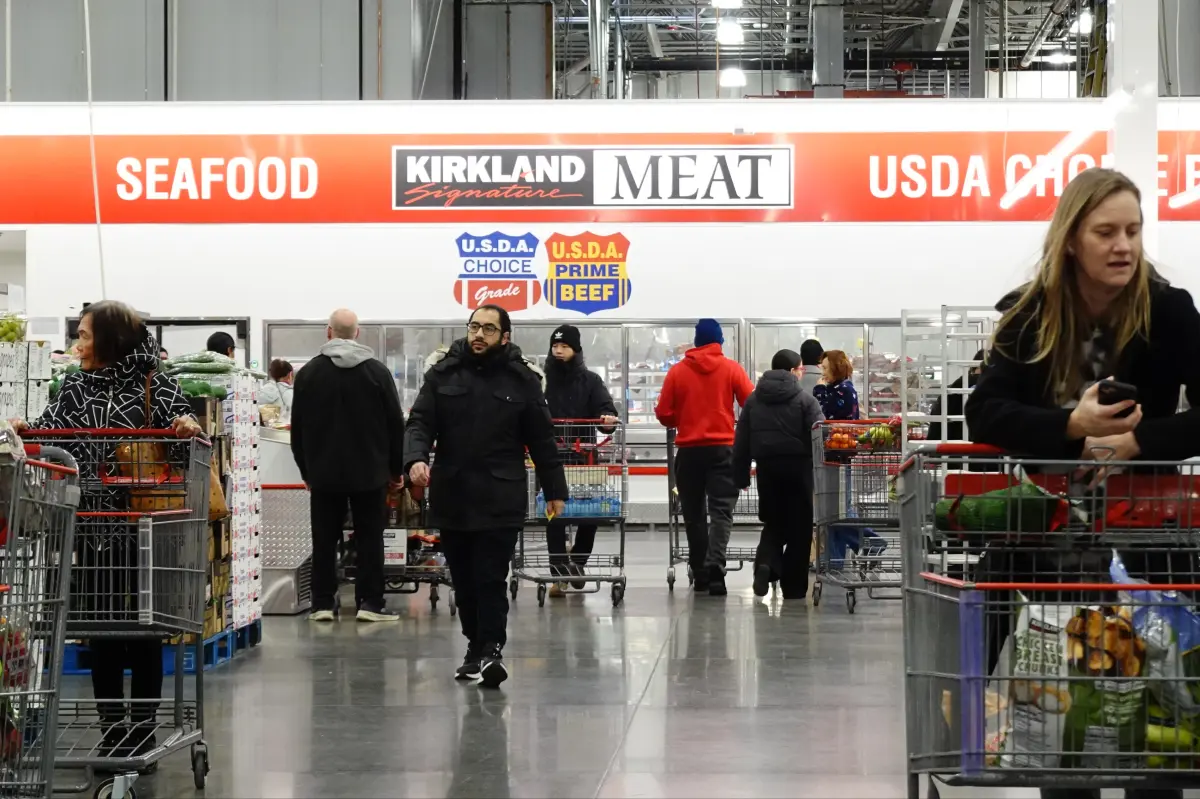
Hey, let’s chat about something that’s hitting all of us right in the wallet these days—grocery shopping. I mean, picture this: you’re strolling through the aisles, tossing eggs, bread, and that fancy organic kale into your cart, only to get to the checkout and wince at the total. It’s no secret that food prices are skyrocketing. The US Department of Agriculture is predicting a 3% rise this year alone, and honestly, it feels like way more than that. Just two months in, and Instacart is saying the average adult aged 19 to 50 in a four-person household is shelling out about $363 a month. For a family, that’s like paying your entire electric bill just to eat! I remember when I was younger, my mom would clip coupons religiously, and we’d still manage. But now, with inflation on everything, from rent to gas, it’s tough. And don’t get me started on Costco—that massive warehouse of deals where you think you’re saving money, but Morning Brew’s 2024 post with Phil Andrews calculated that shoppers spend around $1.75 per minute. If you’re in there for the average 37 minutes, that’s $64.75 gone poof! Some folks I know end up staying for two hours, racking up a bill that could hit $210. It’s like a trap, you know? You go in for essentials, but end up buying in bulk for that “savings,” only to forget half of it in your freezer. I’ve been there, staring at expired yogurt and wondering how I let it happen. Anyway, while everyone talks about coupons and loyalty cards, there’s this sneaky strategy called “backwards shopping” that’s blowing up on social media, and it’s a game-changer for keeping your grocery bills down and freeing up cash for other stuff like those skyrocketing home repairs. I stumbled upon it when my budget was stretched thin, and let me tell you, it’s like a breath of fresh air.
So, what exactly is backwards shopping? It’s basically flipping the script on traditional grocery hauls. You know how most people grab a list and dart through the store, adding impulse buys along the way? Well, backwards shopping starts at home. First, raid your pantry, fridge, and freezer—what’s lurking in there? Those leftovers from last week’s Costco splurge or that viral sale you stocked up on. I used to do this with my family on weekends, turning it into a fun challenge. We’d pull out canned goods, frozen veggies, and that half-used bag of rice, and brainstorm meals around them. Instead of wasting food or buying duplicates, you only shop for the missing pieces to complete those meals. It’s efficient and reduces waste, which I love because nothing bugs me more than tossing out moldy cheese. To make it easier, I lean on AI tools like Google Gemini. Just type in what you have—like “chicken thighs, carrots, onions, and pasta”—and bam, it suggests recipes with minimal extras. You can customize it by saying, “I hate spicy food” or “We’re all about low-carb meals.” It’s like having a personal chef in your pocket. When I first tried it, I was skeptical, but it turned a bunch of random pantry stuff into a week of dinners. This method not only slashes your bill but also makes meal prep less overwhelming. Imagine being intentional about your purchases instead of wandering aimlessly. It’s like organizing your closet: you assess what you own before buying that new shirt. And for big families or busy parents, who need the stress? Backwards shopping brings mindfulness back into cooking, helping you appreciate what you already invested in.
Experts are jumping on board too, and it’s refreshing to hear from real people like Clay Cary, a senior trends analyst at CouponFollow in Chicago. He calls backwards shopping one of the easiest money-savers out there. “It doesn’t require people to follow a strict budget or change where they shop,” he explains. “It simply makes them more mindful of the foods they already have at home that they already paid for.” That’s so true—how many times have you bought milk only to find you have two cartons? I used to be guilty of that, dashing to the store in a panic, only to realize my fridge was stocked. Cary points out that you might be shocked at how much you have laying around. During one of my pantry raids, I found canned tomatoes, beans, and pasta from months ago—it was like discovering hidden treasure. Michael McAuliffe, CEO of Family Credit Management, agrees fervently. “Backwards shopping is so valuable, especially when groceries and going out to eat are getting so expensive, and income is just not keeping up,” he says. I can relate; with everyone’s costs rising, from gas to healthcare, it’s empowering to take control. McAuliffe isn’t alone; I’ve seen stories online from folks who’ve turned this into a habit, saving big by avoiding impulse buys. It’s not about deprivation—it’s about smartness. Imagine using this strategy during holidays when prices creep up even more; it could be your secret weapon.
Real-life success stories make this even more relatable. Take Jim Wang, founder of Wallet Hacks in Fulton, Maryland—he’s a homeowner who swears by backwards shopping. He and his family aim for a couple of these meals each week, especially when the freezer is bursting. “We try to have at least a couple ‘backward shopped’ meals each week. Sometimes, more if we find our freezer has gotten quite full,” Wang shares. He saves hundreds of dollars weekly, mostly on protein by buying in bulk at Costco and staying on top of it. “Backwards shopping encourages my family to buy meat in bulk at Costco and reduce waste. We don’t let frozen meat get too old or freezer-burned by forgetting about it,” he adds. I love this approach because I’ve seen my own freezer turn into a graveyard of forgotten chicken nuggets. Wang’s strategy has helped him and his wife manage their budget better, freeing up money for life stuff. Listening to people like him reminds me that it’s doable. I once froze beef roasts after a big purchase and forgot about them—now, I note expiration dates religiously. It’s about building habits that stick. And for families like mine, where kids have picky phases, backwards shopping means tailoring meals to what’s available, reducing food fights at dinner.
Now, let’s talk numbers because, let’s face it, savings are what get us excited. Depending on your family size and location, McAuliffe estimates you could slash $50 a week off your grocery bill—that’s about $200 a month or $2,400 a year! If you stash that in a high-yield savings account with decent interest, after 12 months, you’d have around $2,653, and after 36 months, over $8,000. Whoa, that’s real money for tackling those other rising costs, like utilities or repairs. I did the math for my household, and even if I saved $20-30 a week, it adds up fast. Think about channeling that into home improvements: a year of backwards shopping might cover new flooring in a small room at $12.50 per square foot or even a kitchen backsplash averaging $1,000. With home repairs and renovations spiking, every penny counts. I remember when my sink broke, and I had to dip into savings—that panicked buy could’ve been avoided with better budgeting. Plus, this strategy aligns with eco-friendly living; less waste means less landfill stuff. In urban areas where costs are higher, the savings could be even bigger. Experts suggest tracking your spending for a month before and after starting. Me? I use a simple app to log purchases, and it’s eye-opening. You might discover patterns, like overbuying snacks, and cut back accordingly. It’s liberating, knowing you’re not throwing money away on unneeded items.
All in all, backwards shopping isn’t just a fad—it’s a practical, empowering way to navigate today’s economy. Between sky-high grocery prices and everything else costing more, this method gives you control without sacrificing joy in cooking or family time. Try it out next time you’re tempted to impulse-shop; start small by checking your fridge tonight. Pair it with coupons or apps for deals, and watch your budget transform. Imagine the peace of mind from banking extra savings instead of stressing over bills. As someone who’s adopted this, I can say it’s changed how I view my pantry—from a chaotic mess to a resourceful ally. Give backward shopping a shot—you might just unlock hundreds of dollars and rediscover meals you forgot about. Life’s too short for grocery guilt, so let’s make smart choices and enjoy the savings! If you’re reading this and nodding along, share your experiences in the comments; we could all use some real talk. Stay savvy, folks—your wallet will thank you. And remember, it’s about mindful living, one meal at a time.