



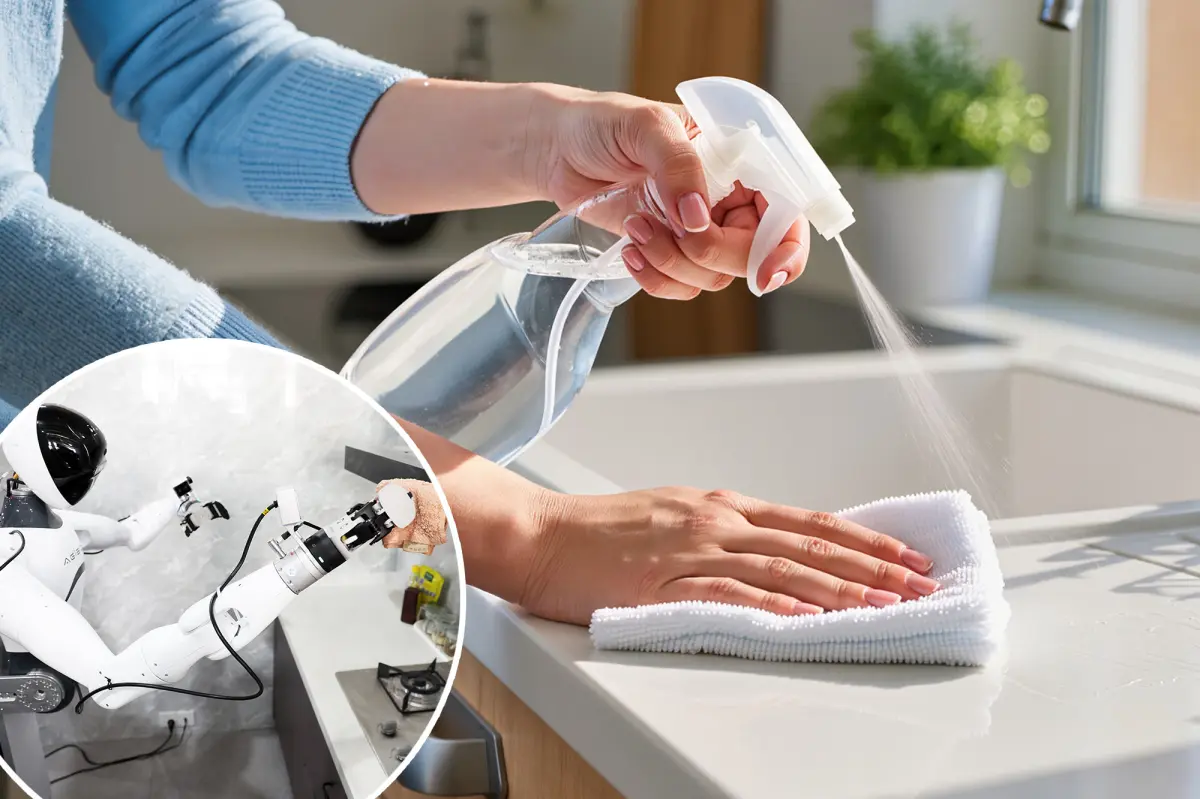
A Day in the Life of AI Trainers: Turning Chores into Cash
Picture this: It’s a sunny afternoon in Los Angeles, and I’m scrolling through my phone, frustrated by how artificial intelligence seems to be sneaking into every corner of my life. Remember when ChatGPT started writing essays better than I could, or when that robot vacuum started “helping” with the dishes? Now, AI is eyeing the big time—physical robots that can fold laundry, cook dinner, or even play with kids. But to get there, these smart machines need real humans to show them the ropes. And guess what? People like me, desperate for a few extra bucks, are stepping up to teach them. It’s like being a chore-poaching coach, where everyday folks in California are getting paid to film themselves scrubbing the toilet or chopping onions, all to help AI understand our clumsy human movements.
This whole movement kicked off with Instawork, a San Francisco startup that’s basically a middleman for these gigs. They hand out headbands with little phone mounts, and suddenly, I’m a walking, talking guide for robots. I strap a hat, mount my iPhone, and hit record while mumbling through my morning routine. The idea is simple: Capture videos of mundane tasks to train AI on how real people move. No acting required—just live your life and get compensated. Salvador Arciga, a guy in my neighborhood, summed it up best when he told the LA Times, “I need to do chores anyway. Now I get paid for it.” It’s the ultimate side hustle for the cash-strapped Angeleno, blending necessity with a dash of sci-fi flair.
As I dive deeper into this, I realize it’s not just a local fad. Across the globe, similar trends are popping up. In India, there are “arm farms” where engineers wear GoPros on their foreheads to demonstrate packing boxes or folding towels, feeding data to robotic systems. China has virtual reality training centers where people put on headsets to simulate and teach human operations to AI. It’s wild how far companies go to perfect these bots. Even here, platforms like Scale AI, backed by giants like Meta, have amassed over 100,000 hours of footage. Competitors like Micro1 hire people worldwide to record household duties. It’s all part of a massive push, as the humanoid robot market is projected to hit $38 billion by 2035. It’s like the world is racing to build our mechanical twins, and we’re hand-delivering the blueprints.
For someone like me, jumping into these gigs feels empowering yet a bit surreal. I think back to Arciga, who slips into his headset, flips on “Do Not Disturb,” and narrates his chores in English or Spanish, capturing clips from 2 to 15 minutes. He’s not some tech prodigy; he’s just a bilingual dad making ends meet. Meanwhile, couples like Azzam and Samra Ahmed in LA are treating it like a fun game. They snap on wrist and head cameras while prepping dinner—chopping veggies, grilling meats—and laugh about turning their daily grind into a payday. Azzam joked to the Times, “We’re making money off something we do every single day. That’s like getting paid for breathing.” They’ve already banked $1,200, proving that intuition and everyday motions are the secret sauce AI needs to evolve.
The pay? It’s not life-changing, but for two hours of footage, Instawork reportedly shells out $80. That’s enough to grab groceries or cover a utility bill, especially in pricey California. But beyond the cash, there’s this strange sense of validation. As AI encroaches on jobs, from factories to classrooms, this flips the script a little. We’re not just victims of automation; we’re shaping it. Yet, lurking in the background is the unease—am I helping create my own replaceable self? Will robots someday handle laundry better than I do, leaving me obsolete? It’s a double-edged sword, where our movements become training data for a future that might sideline us.
In the end, participating in this AI tutoring gig makes me reflect on humanity’s quirky role in tech’s evolution. We’re teaching machines to mimic us, but in doing so, we’re highlighting what makes us irreplaceable: the spontaneity, the mistakes, the emotions behind a simple chore. Like Arciga, who sees it as a win-win, or the Ahmeds, whose family dinners double as data sessions, it’s a reminder that technology advances because of us—the messy, imperfect originals. As I unmount my phone and pocket the earnings, I wonder if this side hustle is just the start. In a world where AI poaches our roles, maybe we’re all just one chore away from reclaiming our spot in the spotlight. It’s empowering, terrifying, and oddly exciting, all wrapped into a headset and a red record button.