

The Rise of Colostrum Harvesting: A Modern Maternal Trend
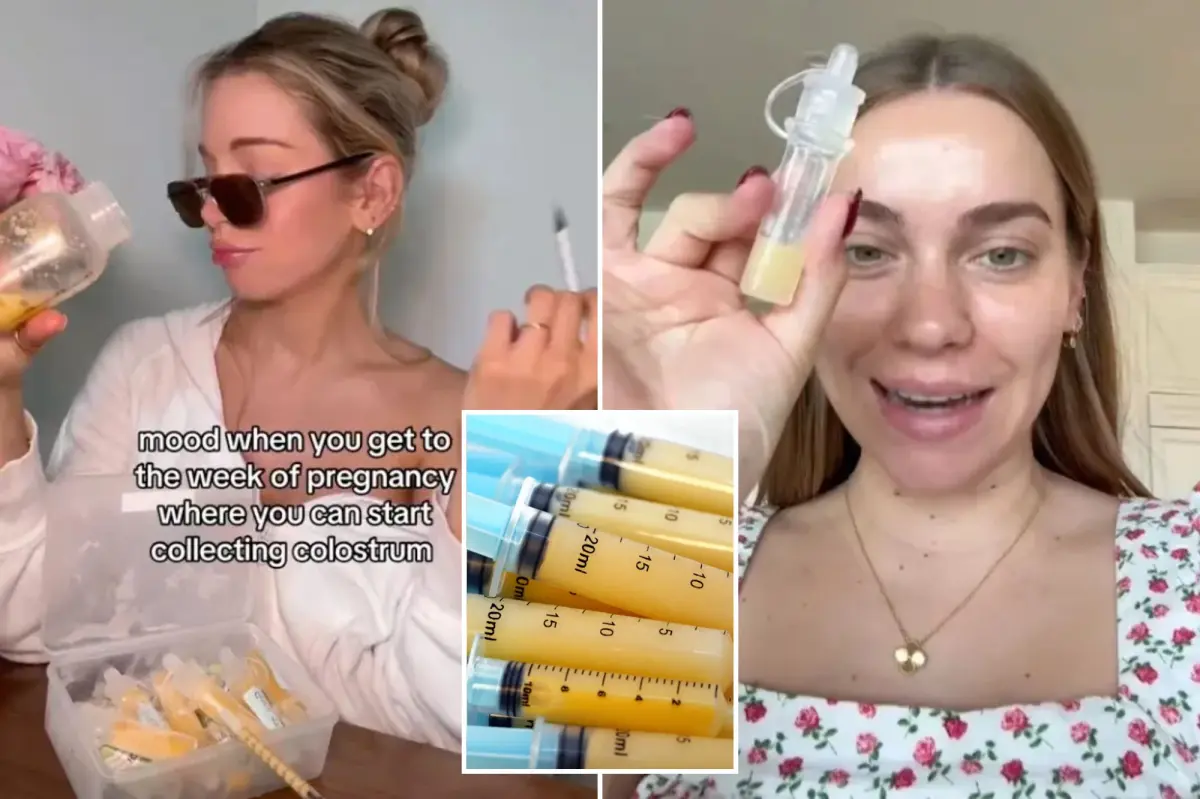
In a viral TikTok video that continues to gather views two years after its posting, influencer Kurin demonstrates the increasingly popular practice of collecting colostrum—the nutrient-rich first milk produced during pregnancy. At 38 weeks pregnant with her third child, she candidly shows her followers how to express this “liquid gold” through antenatal hand expression, wincing as she collects drops of the coveted beige substance into a syringe. “As you can tell from my facial expression, it does not feel good for the first couple of minutes,” she admits, showing her bare pregnant belly while explaining how her nipples feel sore from the process. Despite the discomfort, Kurin advocates for daily collection in the weeks leading up to delivery, explaining that storing frozen colostrum can be beneficial if the newborn has trouble latching, gets separated from the mother, or needs an immune boost when ill. “Harvesting colostrum is just an amazing way to protect your breastfeeding relationship with your baby,” she tells her nearly half-million followers, exemplifying a growing movement that has found an enthusiastic home in the #colostrumharvesting corner of TikTok.
While colostrum collection before birth isn’t new in medical circles—healthcare professionals have been recommending it for at least a decade in specific cases such as diabetic mothers whose babies might need help stabilizing blood sugar after birth—its recent explosion on social media has transformed it into a mainstream practice. Women with seemingly healthy pregnancies are proudly displaying their collections of colostrum-filled syringes and encouraging others to follow suit. “This is your sign to start harvesting colostrum before your baby arrives,” declares one video, while commenters enthusiastically add, “I can’t stress enough to KEEP IT UP!! The more you stimulate, the more you’ll produce!!” Some mothers report freezing colostrum for months or even years, using it when their toddlers fall ill or, as some suggest, potentially even for sick adults. The health benefits are real—lactation consultant Leigh Anne O’Connor describes colostrum and breast milk generally as “a medicine besides being food.” The trend has become so popular that even Kourtney Kardashian markets cow colostrum supplements for immune support and gut health, promising to “empower your body with the blueprint to revitalize health from the inside out.”
The enthusiasm surrounding colostrum is understandable given its remarkable properties. As the first milk a newborn receives from a breastfeeding mother, colostrum contains concentrated proteins, vitamins, minerals, and antibodies crucial for building an infant’s immune system. “At the point of them being delivered, their immune system is nearly non-existent,” explains Abrie McCoy, an International Board-Certified Lactation Consultant with SimpliFed. She notes that a baby’s first protection comes from vernix, the waxy coating on newborn skin, while colostrum provides the second line of defense. “It’s extremely beneficial in that first couple of days,” McCoy emphasizes. Pre-storing colostrum can be particularly valuable for women anticipating certain challenges—those scheduled for cesarean deliveries who might experience delayed milk production, mothers with diabetes, those whose babies have congenital conditions like cleft palate or Down syndrome that can complicate latching, or women who have had breast surgeries that might affect milk production. For Jamie Lee McIntyre, a registered dietitian nutritionist in South Florida, collecting colostrum during her third pregnancy provided peace of mind. Starting at 38 weeks, she pumped for ten minutes three times weekly, creating a stash that later allowed her husband to feed their newborn while she enjoyed uninterrupted sleep. “I felt it gave me security and flexibility around breastfeeding and milk regulation, and I found comfort in knowing my baby was getting such precious and rare nutrients,” she shared.
Despite these benefits, healthcare providers are concerned that social media is overhyping expectations and adding unnecessary pressure during an already vulnerable time. Dr. Miena Meek Hall, a breastfeeding and family medicine physician in the Chicago area, notes, “There have been more questions about it, and TikTok trends do drive this perception that you have to have ounces of colostrum frozen in your freezer in order to have enough. And that’s just physiologically not accurate.” Research on antenatal colostrum harvesting shows mixed results, partly due to inconsistencies in methods, duration, frequency, and purpose. While experts generally agree that hand expression before birth is safe when done with proper guidance and medical support, they suggest that occasional collection in the days immediately preceding birth is typically sufficient, rather than the daily regimen for weeks that some influencers promote. O’Connor points out the practicality of this more moderate approach: “It’s an inconvenience. Who needs to be doing that?” McCoy adds that the purpose should be educational and preparatory—”not to feed a freezer.”
Important medical considerations exist that many social media posts fail to address. Contrary to popular belief, stimulating colostrum production during pregnancy doesn’t impact long-term milk supply. “That difference is not made until you’ve delivered your placenta after birth and a hormone shift happens where your body can continuously make milk and build on that milk production,” McCoy explains. Moreover, nipple stimulation produces oxytocin, which can trigger labor—making it crucial to wait until at least 37 weeks, even in low-risk pregnancies. A 2025 study confirmed that women with healthy pregnancies could safely collect colostrum starting at 34 weeks without inducing early delivery, but experts still recommend caution. For women at risk of preterm delivery who cannot safely collect colostrum before birth, milk banks can provide early milk for infants in intensive care. Additionally, there are small risks of developing clogged ducts or mastitis, and the practice may create anxiety in expectant mothers about their milk supply. A 2025 journal article notes that stored colostrum can potentially lead to overfeeding, poor latching techniques, and “early reliance on supplemental milk,” questioning whether the practice “interferes with nature.”
The psychological impact of the colostrum harvesting trend cannot be overlooked. On Reddit, pregnant women express concerns that their discomfort with collection might indicate an inability to nourish their babies properly, while others simply find the practice too burdensome. Research shows that while women’s experiences with colostrum harvesting are generally positive, some report pain, embarrassment, and confusion. Social media displays of freezers filled with colostrum create unrealistic expectations for new mothers. “That’s now the expectation of this new mom—she has to have a freezer full of milk for her to consider herself successful, when that’s not the definition,” McCoy observes. She offers a more balanced perspective: “Feeding your baby, making sure your baby is growing and thriving—that is success.” Furthermore, experts caution about the shelf life of frozen colostrum, noting that milk approaching a year old loses digestive compatibility and immune-boosting properties. “Antibodies in colostrum and milk are constantly changing, constantly dynamic,” Hall explains, suggesting that the elaborate stockpiling some influencers promote may offer diminishing returns. While colostrum harvesting can be beneficial in specific circumstances, the social media-driven pressure to collect extensive supplies before birth represents yet another example of how motherhood has become increasingly performative in the digital age, potentially adding unnecessary stress during an already challenging life transition.