

Imagine walking into what’s supposed to be the pinnacle of culinary excellence, a place where flavors dance and innovation reigns, only to witness the head chef, René Redzepi, unraveling in a storm of anger. That’s the raw reality captured in a 2014 fly-on-the-wall documentary from Noma, his Copenhagen restaurant that once topped the world rankings. In those intimate glimpses behind the scenes, we see Redzepi, the mastermind behind global food trends, lose his cool in ways that make your stomach churn—not from the exquisite dishes, but from the palpable tension. Over five months, the film follows his relentless drive for perfection, but at a cost to the young staff who bear the brunt. One clip shows him shoving past a female chef, knocking a plate from her hand without a backward glance, her dish crashing while she stumbles in shock. It’s not just about spilled food; it’s about the human toll in a kitchen where every second counts and mistakes feel like betrayals.
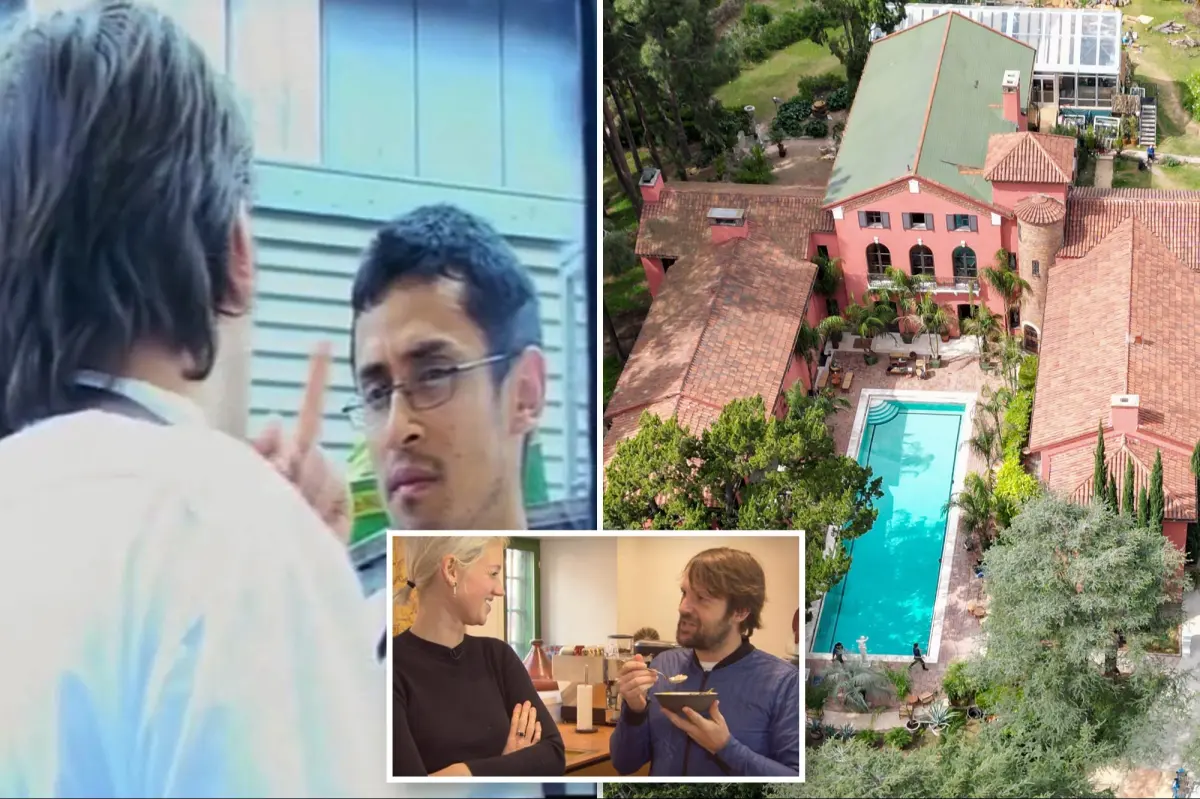
The documented outbursts are relentless and personal, turning the camera into an unwilling witness to repeated humiliations. Picture this: Redzepi cornering a staff member over a misaligned plate, his voice rising as he shouts, “Shut up and just fing let me finish or I’m going to go crazy on you.” It’s eerie how the words hang in the air, the chef’s gestures amplifying the venom—he shoves his finger under the man’s chin, making him flinch like a schoolboy in trouble. In another scene, he stops a young man mid-task on cutting quail eggs, berating him with exasperation: “Fing cut this smaller. Stop, stop, stop. What are you doing, man? Are you sure they are warm now? Hello? People are talking to you!” The frustration boils over into a choice: “Do you want to relax, or do you want to f***ing stress now. If you want to stress, you can leave.” It’s not just yelling; it’s a personal interrogation that questions their very presence in the space. Later, he drags another employee outside, thrusting his middle finger inches from the man’s face, yelling about disappointed guests who’ve waited months, implying their idiocy stains his reputation. These moments aren’t edited for drama—they reveal a man consumed by his passion, where anger erupts like a volcano, and staff are the unsuspecting villagers in its path.
But the documentary is just the tip of the iceberg. Fast-forward to last week, and the revelations explode wider, with over 35 former Noma workers stepping forward to dredge up memories that must have haunted them for years. They paint a picture of a workplace that felt like a battlefield, where physical assaults were routine, and verbal lashings left deep scars. One recounted the bizarre horror of Redzepi punching a line of staff—including interns—in the chest, unprovoked and abrupt, like a twisted drill sergeant. Others described being shoved, jabbed with utensils, or slammed against walls, not for gross errors, but for the tiniest slip-ups in a high-stakes environment. Psychological abuse compounded the physical: public shaming, body shaming, and intimidation from not just Redzepi, but senior chefs who mimicked his volatile style. “It was like going to war,” one ex-employee lamented, echoing the trauma of many who felt disposable, their dreams of culinary artistry crushed under absolute power. These allegations span from 2009 to 2017, a decade where the restaurant amassed accolades while hiding a darker underbelly of fear and control. It’s heartbreaking to hear how young, aspiring chefs—many far from home, facing threats of deportation or job loss—endured this, their passion weaponized against them by a figure they admired.
Amid the chaos in the film, there’s a poignant interview with Redzepi’s then-girlfriend, now wife, Nadine, who humanizes him just a bit more. She admits his fiery temper openly: “He can really blow his top, but also calms down again. He is not someone who stays angry for long. Once it’s over, it’s over.” It’s a glimpse into someone who knows his flaws intimately, yet defends them as part of his intense drive. She explains how frustration mounts when things don’t align with his vision of perfection—he wants Noma to shine so badly that any misstep triggers an outburst he can’t suppress. “Sometimes he gets so sick of being angry. He feels it’s just coming over him. He doesn’t manage to think before he explodes,” she says, offering a psychological layer. It’s like witnessing a confession: here’s a man whose creativity fuels the world’s best dishes, but whose emotions, left unchecked, create a toxic brew. Her words add empathy, reminding us that these aren’t monsters, but flawed humans grappling with passion’s double-edged sword. Still, it begs the question: how much does love blind us to the harm caused?
The fallout hits hard in the real world, canceling plans for Noma’s much-anticipated Los Angeles pop-up at the luxurious Paramour Estate. Two major sponsors, American Express and Blackbird, pulled out dramatically on Tuesday, citing the abuse claims as irreconcilable with their values. American Express, which had reserved six exclusive nights for Platinum cardholders, issued a statement prioritizing support for the restaurant community without endorsing harm. They vowed to reinvest the funds into LA hospitality workers, affected by the pandemic’s lingering bite. Blackbird, having sunk $100,000, followed suit, refunding buyers and redirecting proceeds to the local sector. The message is clear: these corporations won’t prop up a venture tainted by allegations of mistreatment. As the pop-up launches Wednesday—fully sold out with tickets snatched in minutes—a protest looms, organized by labor group One Fair Wage and spearheaded by a former Noma worker who compiled a dossier of grievances. Picture the scene: eager diners arriving for a taste of culinary history, while outside voices chant for accountability. It’s a stark reminder that fame doesn’t erase wrongs, especially when the victims find their way to speak out.
Redzepi, the visionary founder since Noma’s 2003 opening, addressed the firestorm with a rare public apology, acknowledging the pain inflicted. “Although I don’t recognize all details in these stories,” he stated, “I can see enough of my past behavior reflected in them to understand that my actions were harmful to people who worked with me. To those who have suffered under my leadership, my bad judgment, or my anger, I am deeply sorry and I have worked to change.” It’s not deflection; it’s admission, a human pivot toward redemption. Noma’s journey is one of brilliance: named world’s best restaurant five times by Restaurant magazine from 2010 to 2021, crowned with three Michelin stars, its influence spreading through pop-ups in Sydney, Kyoto, and Tulum. This LA event, spanning 16 weeks or about 60 nights, promises an influx of up to $4 million, with evenings of 42 seats fetching $63,000 each. But beneath the prestige lies the shadow of his past—tickets on Tock (American Express-owned) were sold out instantly, nonrefundable and nontransferable, now ironically entangled in controversy. Since the pullouts, Redzepi has stayed silent publicly, leaving the stage to those affected while the restaurant’s machinery hums on. In the end, it’s about balance: celebrating artistry while confronting its creators’ humanity, ensuring the kitchen’s heat isn’t just for cooking, but for growth too. Noma’s tale reminds us that true excellence must include kindness, or risk boiling over into oblivion.