





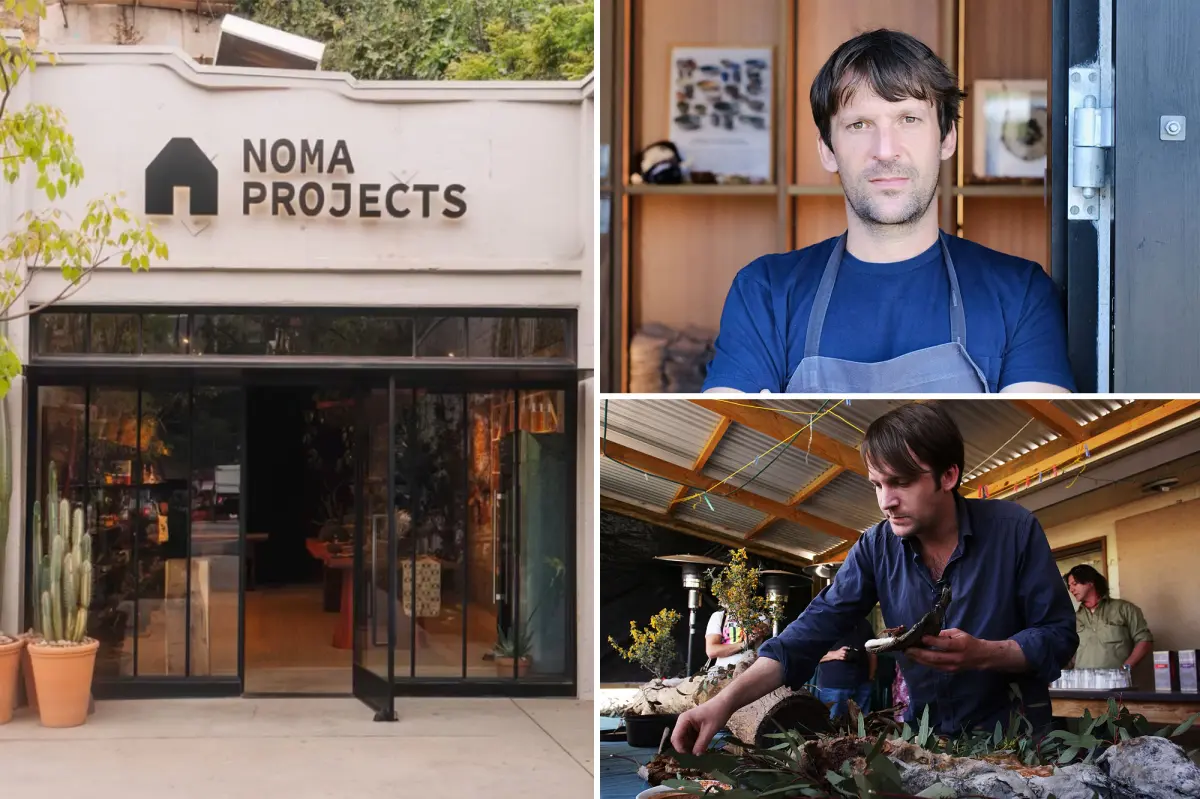
René Redzepi, the iconic chef behind Noma in Copenhagen, has been in the spotlight for all the wrong reasons lately. Just weeks ago, he made a heart-wrenching announcement that he was stepping away from the restaurant he’d built into a global sensation. Scandals involving accusations of long hours, unpaid labor, harassment, and a deeply abusive kitchen environment had erupted, painting a picture that made the culinary world pause and reflect. Former staff shared stories that described working at Noma more like enduring a psychological battle than pursuing a passion for food. I remember feeling a mix of shock and sympathy when those reports came out—it’s hard to imagine a place celebrated for innovation harboring such darkness. Redzepi’s response was posted on his social media, including a video where he addressed his team with tears in his eyes, apologizing and urging them to take over and fight for the restaurant’s future. He wrote that the team was stronger now than ever, and that Noma’s legacy was bigger than any one person. In that moment, he pleaded for unity, saying he was stepping aside to ensure everyone felt safe, but he hoped they’d keep the spirit alive. It was raw and emotional, like a parent handing over the keys to the family business amid a crisis. Yet, life at Noma doesn’t stop entirely, especially with their LA adventures continuing, which brings me to this unexpected twist: despite all the turmoil, Noma Projects is gearing up to open its first U.S.-based store in Silver Lake, Los Angeles.
The store, tucked away in a trendy neighborhood northwest of downtown LA, is set to debut on April 9. It’s not just any shop; it’s an extension of Noma’s famed Test Kitchen and Fermentation Lab, bringing a taste of their Copenhagen magic to American kitchens. Right down the street, their Michelin-starred pop-up restaurant has been running, offering fleeting glimpses of that innovative Danish flair amid the palm trees and traffic. The Instagram announcement summed it up perfectly: this place is a laboratory for flavors, a spot to explore and sample what they’ve been cooking up, both old staples and brand-new concoctions inspired by their LA stint. As someone who’s dabbled in cooking at home, I can imagine the allure—stepping into a world where fermented wonders and unique essences turn your everyday meals into something extraordinary. It’s like getting a backstage pass to one of the world’s most revered culinary operations, even if indirectly through their store. And while Redzepi steps back, the LA outpost feels like a bridge to the future, a way for Noma’s essence to persist without him holding the reins directly. It’s bittersweet, really, knowing the controversies, yet here they are, proving that innovation can march on regardless.
Now, let’s talk about what you’ll find inside this pop-up paradise. The store isn’t shy about its luxury vibe, with products that carry those hefty Noma prices that could make your wallet gasp. Picture a 3.38-ounce bottle of their Barrel-Aged Wild Rose Balsamic Vinegar, priced at a whopping $150. The description calls it “Noma’s limited, luxurious ode to Italian balsamic,” aged in Emilia-Romagna casks and infused with wild Danish roses. I did a double-take when I saw that—$150 for what amounts to a fancy splash in your salad? But then again, it’s Noma, where quality and scarcity drive the value. For coffee lovers, there’s the Noma Kaffe subscription at $70 a month, which sounds like a real treat. Each shipment includes two 250-gram bags of beans, personally curated by their roasting team after collaborating with global farmers. It’s not just coffee; it’s a promise of relationships and stories from far-flung origins, building a community around caffeine. Other goodies include an 8.4-ounce bottle of Mushroom Garum cooking sauce for $25, described as a savory essence that could elevate any dish—think ancient Roman fermented fish sauce but with a fungal twist. Or how about the nutty Pumpkin Seed Praline spread in a 5.92-ounce container for $37? It’s the kind of thing you’d slather on toast or pair with cheeses, adding a rich, roasted nuttiness that’s as indulgent as it sounds. Exploring these items online made me realize how Noma transforms simple ingredients into gourmet obsessions; it’s not about price, it’s about the artistry and the story behind each bottle or jar.
Beyond the eats, the shop dives into merchandise that lets you rock the Noma aesthetic at home. Books on their philosophy, perhaps detailing that foraging ethos, are available, along with a Noma Projects baseball cap for $42—practical yet stylish for the foodie in your life. Then there’s the quirky David Shrigley Tote bag at $26, featuring his signature drawing of a tongue licking a frog. It’s humorous and artistic, a nod to their playful side that contrasts with the heavier headlines. Wearing or using these feels like carrying a piece of Noma’s world, even when the dust has settled on the scandals. I can picture food enthusiasts snapping up these items as souvenirs from a moment in time, mementos of a brand that’s as much about culture as cuisine. And it’s telling that amidst the protests and controversies, people are still eager to engage with Noma’s creations—it’s a testament to the enduring appeal of their work, despite the human costs revealed lately. It makes you wonder about the ethics of consumption: does buying this stuff indirectly support the system that allegedly caused so much pain?
The shop’s pop-up nature adds to its ephemeral charm. Located at Sunset Row, it’s open Thursday through Friday from 11 a.m. to 7 p.m., and Saturdays and Sundays from 10 a.m. to 6 p.m., starting this coming week and running through June 26, perfectly aligning with the end of Noma’s LA residency. That’s about two and a half months of immersion in their world, a brief window to explore without committing to a full trip to Copenhagen. As someone who’s always wished for more access to such unique flavors, I feel a pang of envy mixed with curiosity—will the lines be long with people eager to taste the forbidden fruit of Noma’s offerings? Last month, though, there were protests outside the LA space, as reported by LAEater.com, with demonstrators highlighting the allegations that have rocked the foundation. It’s a stark reminder that food and culture don’t exist in a vacuum; the scandals are tied to the products on the shelves. Yet, the shop opening proceeds, a symbol of resilience or, perhaps, compartmentalization in the culinary scene. Noma has reached out for more comments, but for now, this LA venture stands as a chapter in progress, balancing fame with fallout.
Ultimately, this Noma Projects store feels like a microcosm of the broader narrative surrounding Redzepi and his empire. On one hand, it’s an exciting expansion, democratizing access to those signature flavors and letting everyday people experiment in their kitchens. The monthly coffee subscription, the oddball merchandise, the high-end sauces—they all bridge the gap between a remote Danish icon and LA’s vibrant food scene. But on the other, it’s impossible to separate it from the harrowing stories of staff exploitation, the emotional plea from Redzepi to his team, and the ongoing reckoning with workplace toxicity. As a food lover, I grapple with this duality: celebrating innovation while acknowledging the harm. Redzepi’s video, with its raw vulnerability—he said he was so proud of the organization, yet sorry for the mess—resonates deeply. It’s not just about stepping away; it’s about passing the torch, hoping the team fights for something better. In a way, the store represents that hope, a creative outlet that might help redefine Noma’s path. Will it inspire change, or merely distract from the issues? Time will tell, but for now, it’s a bold move in uncharted waters, blending luxury, art, and introspection. If you’re in LA during those dates, it might be worth a visit—not just for the products, but to witness a iconic brand navigating its shadow.
Reflecting on all this, I can’t help but feel inspired yet cautious about Noma’s legacy. Redzepi’s departure, announced in that poignant social media post on March 11, marks the end of an era, but the LA pop-up and store signal continuation. His speech to the staff, captured in the video, was pleading: “Fight for it,” he urged, acknowledging the controversies didn’t define the team. It’s moving, like watching a leader confront his demons publicly. And yet, the protests against the shop opening highlight the public’s demand for accountability. For those who admire Noma’s approach—sustainable foraging, bold experimentation—these events underscore the importance of ethics behind the scenes. Personally, I’ve always valued how chefs like Redzepi push boundaries, creating dishes from wild ingredients that tell stories of the land. But the allegations of a “torture chamber” in the kitchen force a reevaluation; food innovation shouldn’t come at the expense of human dignity. As Noma evolves without its founder at the helm, this US foray could be a fresh start, emphasizing positive change. The store’s products, from the extravagant vinegar to the fun tote bag, embody that creativity, inviting consumers to partake in the magic responsibly. It’s a reminder that great things often come with great challenges, and perhaps, in the coming months, Noma will emerge stronger, more humane. Until then, this LA chapter is a fascinating blend of spectacle and soul-searching, proving that even in turmoil, passion for flavor persists. If you’re passionate about food culture, keep an eye on how this unfolds— it might just redefine what a culinary empire looks like.