






The Uncertain Future of New York’s Luxury Retail Icons
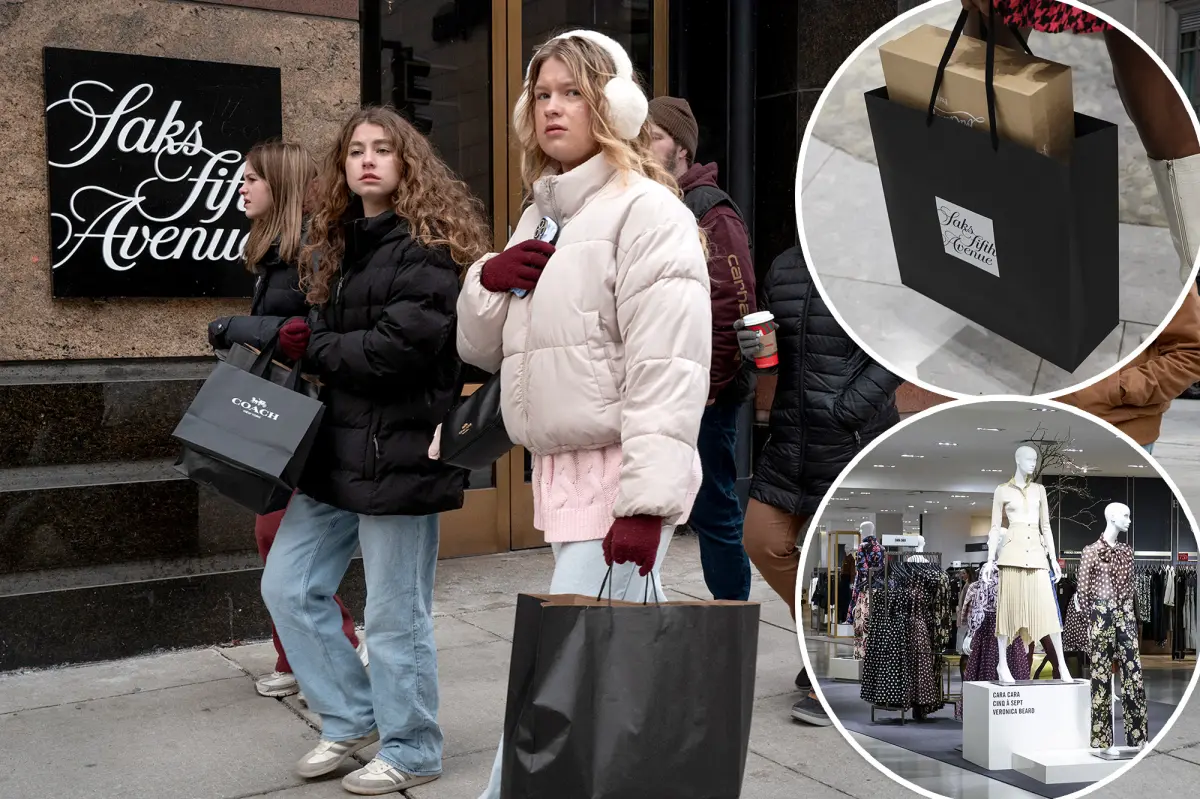
In what feels like the closing of a significant chapter in New York City’s retail history, Saks Global, the parent company overseeing some of America’s most prestigious luxury department stores including Saks Fifth Avenue, Neiman Marcus, and Bergdorf Goodman, has filed for Chapter 11 bankruptcy protection as of Wednesday. This development has sent ripples through the fashion world and raised questions about the future of these iconic shopping destinations that have long defined luxury retail in Manhattan. For generations, these stores have been more than just places to shop—they’ve been cultural landmarks where holiday window displays draw crowds, where fashion trends are born, and where countless New Yorkers and tourists alike have experienced the pinnacle of retail elegance.
While the Chapter 11 filing doesn’t immediately signal the end for these beloved institutions, it does point to serious financial troubles that could reshape New York’s luxury shopping landscape by 2026. The bankruptcy filing allows Saks Global to reorganize its operations and finances while continuing to operate—a critical breathing space as the company navigates its substantial financial challenges. The retailer has secured $1.75 billion in financing to maintain operations in the short term, and revenue from its partnership with Amazon provides an additional lifeline. However, industry experts caution that these funds may primarily go toward addressing the company’s staggering $3.4 billion debt load, much of which stems from its December 2024 acquisition of Neiman Marcus. Court documents filed in Houston, Texas reveal the true scale of the crisis, with Saks Global’s estimated assets and liabilities ranging somewhere between $1 billion and $10 billion—figures that underscore the precarious position of these once-untouchable retail giants.
The practical implications of this financial restructuring are already becoming visible across the city and beyond. Saks Global currently operates approximately 70 luxury store locations throughout the United States, and bankruptcy experts suggest that terminating expensive lease agreements and closing underperforming locations will likely form a central part of their recovery strategy. This process has already begun with the closure of nine Saks Off 5th stores nationwide, including the prominent Upper East Side location on East 57th Street that many New Yorkers considered a reliable destination for discounted designer goods. Even more concerning for luxury shoppers and retail employees alike, industry publication Women’s Wear Daily recently reported that Saks was considering closing approximately 20 stores across the country—a substantial portion of its total footprint. These closures would not only eliminate jobs and shopping options but would fundamentally alter the character of certain neighborhoods and shopping districts that have been defined by these retail anchors for decades.
For shoppers wondering what these developments mean in practical terms, history suggests that significant liquidation sales may be on the horizon for any locations slated for closure. When the main Saks Off 5th location in Manhattan closed its doors, shoppers were treated to massive discounts reaching up to 85% off retail prices as the store cleared out remaining inventory. Similar clearance sales could be expected at any Saks Global properties that ultimately close as part of the restructuring process. Observant visitors to the flagship Saks Fifth Avenue store on Fifth Avenue have already noticed signs advertising discounts of up to 70% off designer merchandise, though it remains unclear whether these markdowns are directly connected to the bankruptcy proceedings or simply represent standard post-holiday inventory reduction. Either way, the deep discounts at such prestigious retailers reflect the extraordinary circumstances facing the luxury department store model in today’s retail environment.
The human impact of these changes extends beyond just shopping opportunities. Visitors to various Saks locations have reported noticeably reduced staff levels, particularly at checkout counters, suggesting that workforce reductions may already be underway even as the company navigates its bankruptcy process. Each of these positions represents a New Yorker’s livelihood, often in specialized retail roles that require extensive product knowledge and customer service expertise that may not easily transfer to other retail environments. The uncertainty also affects the broader ecosystem of luxury retail—from the designers who relied on these department stores to showcase their collections, to the maintenance staff who kept the ornate buildings in pristine condition, to the restaurants and cafés that benefited from the foot traffic these stores generated. While the online operations of these retailers appear to be continuing normally for now, the long-term strategy for balancing digital and physical retail remains uncertain as the company works through its restructuring.
The potential transformation of these storied department stores reflects broader changes in consumer behavior and the retail landscape. For generations, Saks Fifth Avenue, Bergdorf Goodman, and Neiman Marcus weren’t merely places to purchase luxury goods—they represented aspirational experiences and served as cultural institutions that helped define American luxury. Their grand architecture, impeccable service, and carefully curated merchandise created theatrical shopping environments that online retail struggles to replicate. Yet changing consumer preferences, the rise of direct-to-consumer brands, and the pandemic’s acceleration of online shopping have fundamentally challenged this business model. As Saks Global works through its bankruptcy proceedings, the outcome will not just determine the fate of individual stores but may signal whether the grand American department store—once the pinnacle of retail innovation—can find a sustainable place in the modern shopping landscape. For New Yorkers and visitors who cherished afternoon teas at BG Restaurant overlooking Central Park or made annual pilgrimages to see the holiday windows along Fifth Avenue, these business developments carry emotional significance that extends far beyond financial restructuring and retail strategy.