





Turbulence Turns Ryanair Flight Into a “Horror Movie” Experience
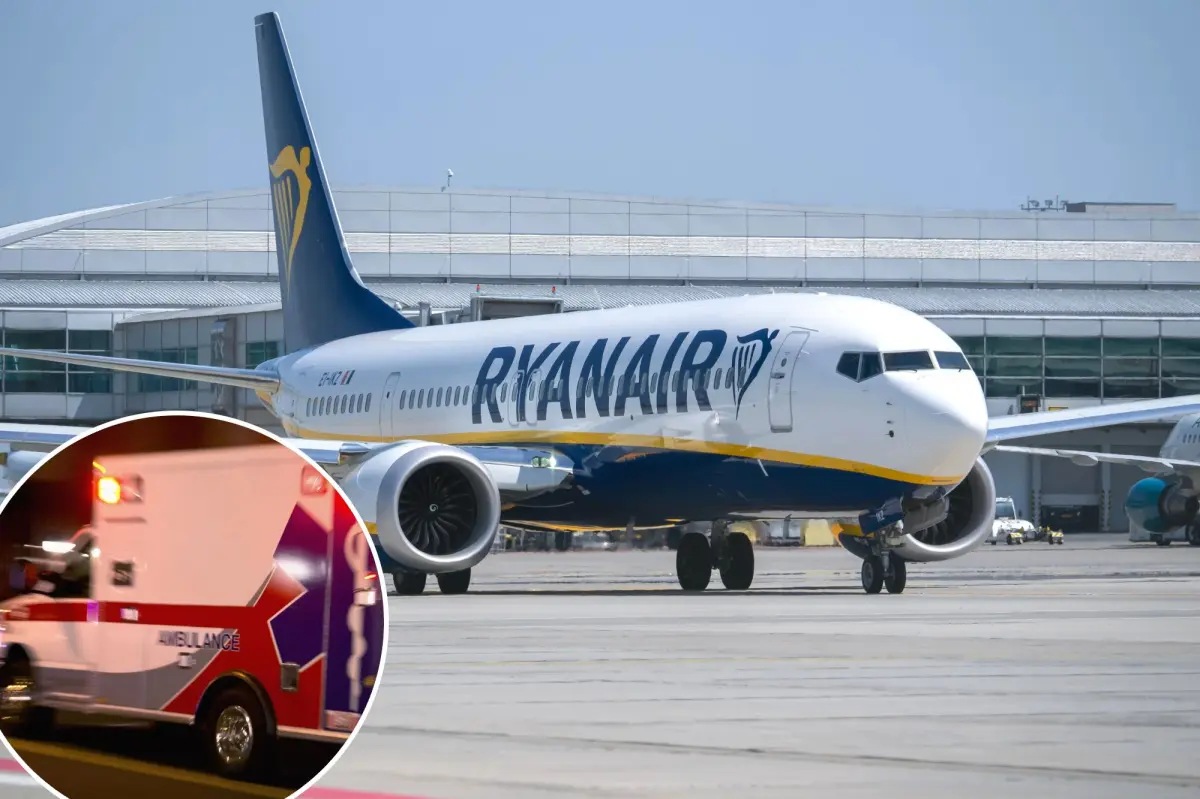
What started as a routine flight from Birmingham to the sunny shores of Tenerife quickly transformed into a terrifying ordeal for passengers aboard Ryanair flight FR1121 on Sunday, December 28. Just as the cabin service began, the aircraft encountered severe turbulence that one passenger described as being “out of a horror movie.” The 33-year-old traveler, who wished to remain anonymous, recounted the harrowing experience to Birmingham Live: “We were smooth cruising then, out of nowhere all of a sudden, the plane jerked to the left extremely quickly and then to the right. It felt like a loss of control, and then we plummeted down and we were flung out of our seats.” Even the seasoned cabin crew were shaken, with staff reportedly commenting that in their decade of flying, they had “never experienced anything like it.” The sudden violent movement caught everyone off guard, turning what should have been a relaxing journey to a holiday destination into moments of sheer panic.
The pilots, faced with the severity of the situation, made the critical decision to abort the journey to the Canary Islands. After regaining control of the aircraft, they declared an emergency while flying over Brittany, France, and set course back to Birmingham. What should have been a full journey to Tenerife ended just ninety minutes after takeoff, with the plane returning to its starting point. For many passengers, this abrupt change of plans was likely a disappointment, especially for those eagerly anticipating their Spanish getaway. However, safety concerns rightfully took precedence over vacation plans. The unexpected turbulence had caused several injuries onboard, though the precise nature and extent of these injuries remain unclear in initial reports.
Upon landing back at Birmingham Airport, emergency response protocols were immediately activated. Paramedics were waiting at the gate to provide medical attention to those who had been hurt during the frightening episode. In their statement about the incident, Ryanair confirmed: “The aircraft landed normally before passengers disembarked and returned to the terminal, where a small number of passengers were provided with medical assistance.” Despite the traumatic experience, the airline worked quickly to arrange alternative travel for the affected customers. Passengers were transferred to a replacement aircraft that eventually departed at 9:21 p.m., reaching Tenerife South at 1:25 a.m. – more than six hours later than originally scheduled. For many travelers, this delay, while inconvenient, was a small price to pay for their safety.
The incident highlights the unpredictable nature of air travel, where even the most routine flights can suddenly encounter dangerous conditions. Turbulence, while common and usually harmless, can occasionally be severe enough to cause injury or necessitate emergency procedures. What makes this particular case notable is the extreme reaction described by both passengers and crew. When even experienced flight attendants express shock at the intensity of turbulence, it underscores the exceptional nature of the event. For many passengers, especially those who might already have anxiety about flying, such an experience can be deeply traumatic. The sudden loss of control, the violent movement of the aircraft, and the realization that something serious is happening can trigger intense fear responses that might affect their willingness to fly again in the future.
This Ryanair incident comes at a time when the budget carrier is already making headlines for other reasons, particularly its recent decision to eliminate paper boarding passes entirely. The airline has transitioned to a fully digital check-in system, requiring all passengers to use the “myRyanair” app to access their boarding passes. This move toward digitalization has been met with mixed reactions from customers, with some appreciating the environmental benefits and convenience, while others express frustration at the technological requirements now imposed on all travelers. For elderly passengers or those less comfortable with smartphone technology, such changes present additional challenges when navigating an already complex travel system.
Beyond the immediate impact on those aboard flight FR1121, this incident serves as a sobering reminder of the fundamental priorities in aviation: passenger safety above all else. Despite the significant inconvenience of a canceled flight, delayed vacation plans, and the logistical challenges of rerouting an entire planeload of travelers, the decision to return to Birmingham was unquestionably the right one. The aviation industry’s remarkable safety record is built on precisely this kind of cautious decision-making in the face of uncertainty or danger. For the affected passengers, the experience will likely remain a vivid memory – a reminder of nature’s power even at 30,000 feet and the thin line between routine travel and emergency situations. As they eventually reached their destination in the early hours of the morning, many were undoubtedly relieved to finally have their feet on solid Spanish ground, with the turbulent journey behind them and their vacation, though delayed, finally able to begin.