







Ever since I was a kid flipping through illustrated Bibles, the idea of biblical giants has always sent a shiver down my spine. You know, those colossal figures from Genesis chapter 6 who were supposedly the offspring of fallen angels and human women—the Nephilim, as they’re called. Back in those ancient times, the story goes, these powerful beings, known as “men of renown,” brought so much wickedness and chaos to the world that God decided to hit the reset button with a massive flood, wiping out almost everything under the skies. As an adult now, fascinated by history and mythology, I often wonder what it would be like to encounter one of them—imagine someone towering over you, their footsteps shaking the ground. It’s one of those tales that blends divine judgment with human fascination, making you question how lore like this got started. Historians and theologians have debated it for centuries, but lately, a resurfaced ancient scroll has reignited the spark, suggesting maybe these giants weren’t just metaphors or exaggerations. It’s the kind of story that pulls you in, making ancient texts feel alive and relevant, especially when pieces of evidence from the past start to align with what’s been whispered in churches and around campfires. I remember sitting in history class, trying to picture a world where such beings walked among us—loyal soldiers, perhaps, or terrifying warriors? The account paints them as catalysts for corruption, blurring the lines between heaven and earth, and it makes me reflect on human nature: are we driven to mythologize our fears into larger-than-life figures? In a way, it’s comforting to think there might have been a tangible reason behind such epic narratives, grounding the Bible’s poetic language in something real. But let’s dive deeper—because now, thanks to a dusty artifact, we might have a clue that these “men of renown” could have straddled the line between legend and history.
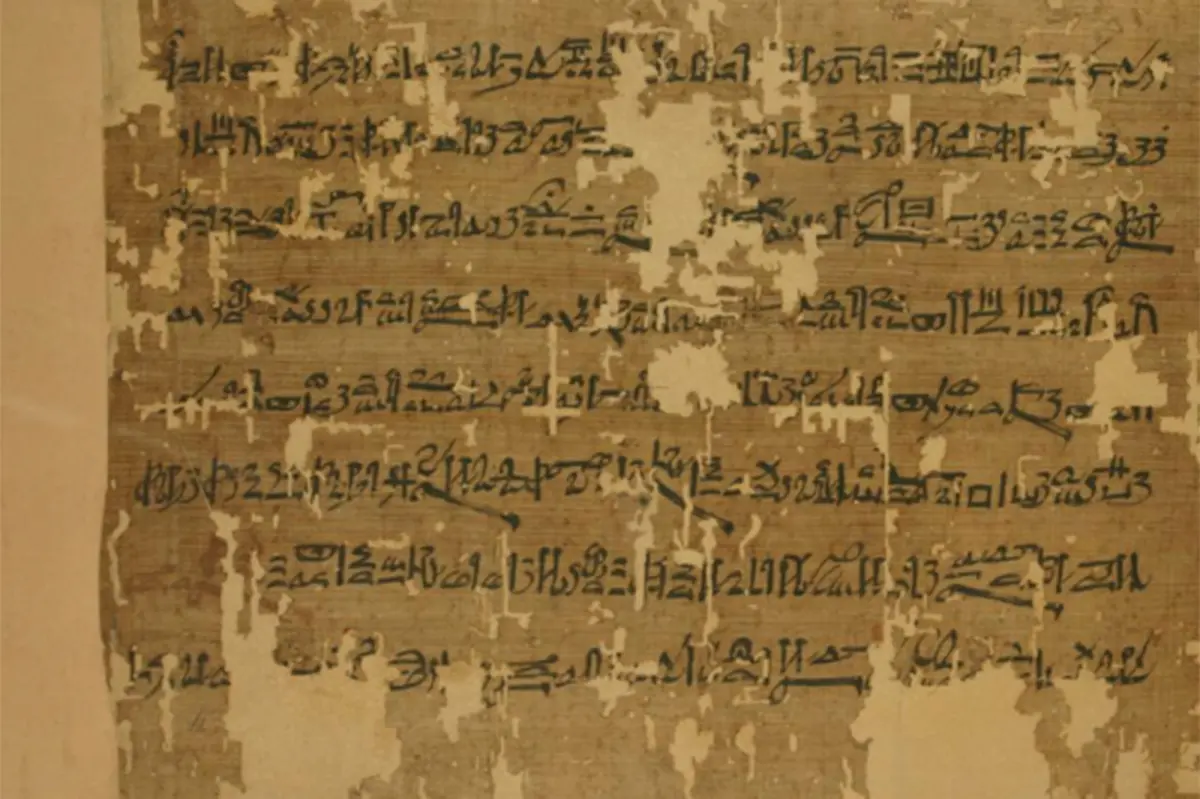
Fast-forward thousands of years, and here I am, discovering that a 3,300-year-old Egyptian document, tucked away in the British Museum since 1839, is causing quite the buzz among researchers and curious folks like myself. This scroll, labeled Anastasi I, dates back to around the 13th century BCE and has caught the eye of folks at the Associates for Biblical Research, a Pennsylvania-based group dedicated to uncovering religious history. It’s like finding an old letter in your grandma’s attic that suddenly ties into a family secret you’d only heard rumors about. Historians are taking a fresh look at it, and it’s reigniting conversations about whether those biblical giants might have been based on real encounters. Personally, I find this thrilling—imagine a scribe from ancient Egypt jotting down an official message, only for it to potentially confirm stories we’ve been telling for millennia. The British Museum has held onto this for so long, and now, with modern eyes, we’re seeing connections that could rewrite how we view ancient Near Eastern narratives. I can almost picture the excitement in the research rooms: scholars poring over faded hieroglyphs, their hearts racing like detectives on a cold case. It’s a reminder of how fragile knowledge is—buried in museums, waiting for someone patient enough to connect the dots. As someone who’s always loved a good historical twist, this makes me appreciate those patient archivists and researchers who dust off these relics, bringing forgotten voices back into the light. The scroll isn’t just a static artifact; it’s a window into a time when oral traditions blended with written words, potentially validating stories that have shaped cultures for generations.
Delving into the scroll itself gives me that eerie, immersive feeling, like reading a firsthand account of something out of a horror story. According to reports, it’s a letter penned by an ancient scribe, detailing encounters with a group of people known as the Shosu—nomadic tribes that reportedly roamed the deserts and territories near what is now Egypt. These weren’t your typical travelers; the description paints them as giants, some standing four or five cubits tall, which translates to roughly eight feet when you convert the ancient measurements. Eight feet! Just imagining that makes me feel small—like one of those tiny ants scrambling around a picnic blanket next to a colossal human figure. The scribe describes them hiding in bushes along narrow defiles, with fierce faces, unyielding hearts, and a resistance to any kind of persuasion. It’s almost poetic in its terror, reminiscent of a police report from a bygone era: “Infested with these hidden threats, they don’t respond to coaxing.” These Shosu are portrayed as intimidating, almost inhuman, and it lines up with the Israelites’ own accounts of feeling overwhelmed and diminutive. Historians believe this letter was meant as a warning, perhaps to travelers or military officials avoiding certain paths. As a modern person, I think about how fear shapes perception—were these people truly giants, or did their reputation inflate them? Maybe they were just outliers, exceptional in height for their time, amplified by oral retellings. But reading this, I can’t help but picture tense encounters: Israelites trekking through the wilderness, spotting these towering figures, and feeling like blades of grass in a storm. It humanizes history, showing that ancient Egyptians dealt with the same anxieties we do—unknown dangers lurking just beyond the horizon. The detail “from head to foot” gives it weight, suggesting measurements were taken seriously, turning myth into something quantifiable.
Tying this back to the Bible, it’s hard not to see parallels that make the hairs on your neck stand up. Numbers 13:33 specifically mentions Israelites encountering giants, the “sons of Anak,” who were descendants of the Nephilim, making the explorers feel like grasshoppers in comparison. “And there we saw the giants… and we were in our own sight as grasshoppers, and so we were in their sight.” It’s vivid imagery, evoking sheer awe mixed with dread, and now this Egyptian scroll echoes that exact sentiment with its descriptions of the Shosu. To a layperson like me, it’s fascinating how ancient texts from different cultures intersect— the Egyptians’ official letter aligning with the Israelites’ scriptural recounting, like two friends separately describing the same monstrous encounter. It makes me wonder about cultural exchanges: did the Shosu inspire the biblical tales, or were these stories part of a shared human folklore? Perhaps these giants were real wanderers, their presence sparking legends across regions. I envision biblical spies returning to Moses, wide-eyed and trembling, their reports eventually codified into sacred text. The human side of this draws me in— ordinary people facing extraordinary beings, their stories preserving through generations despite no photos or videos. In a world where we crave evidence, this connection feels like a bridge between faith and archaeology, validating those who take biblical narratives seriously. It’s empowering, too, reminding us that ancient wisdom often held kernels of truth, documented in ways that transcend borders and beliefs.
Of course, not everyone’s convinced, and that skepticism adds a layer of realism to the whole tale—it keeps me grounded, questioning everything. Historians, with their noses buried in peer-reviewed facts, point out there’s a glaring absence of physical proof—no bones, no artifacts proving giants walked among us. No skeletons that scream “eight feet tall” in archaeological digs. It’s like chasing shadows; the scroll is compelling, but without corroborating evidence, it remains speculative. Many experts argue these descriptions could be exaggerations, born from cultural anxieties or mistranslations of ancient measurements. After all, storytelling has always amplified heroes and villains, turning average folks into myths. Professionals in Egyptology might shrug and say it’s just a bureaucratic note about raiders or foreign tribes, not literal giants. Personally, this doubt makes the story more intriguing—as a humanities enthusiast, I love the debate. It mirrors real life, where we grapple with unproven claims, like cryptozoology or urban legends. We want to believe, but science demands rigor. It humbles us, reminding that history is as much about gaps as it is about findings. Without those gaps, what mysteries would we obsess over? The lack of evidence doesn’t diminish the scroll’s value; it enhances its role as a conversation starter, pushing us to dig deeper. In our fast-paced world, where answers pop up instantly, embracing uncertainty feels both frustrating and freeing, much like pondering “what if” the giants were real?
Then there are the whispers from far away, other tales of supersized humans that echo through the American frontier, keeping the myth alive in a completely different context. Picture this: a remote town 90 miles northeast of Reno, Nevada, where sightings and discoveries of redheaded, pale-skinned giants have baffled folks for years. Stories abound of miners stumbling upon giant skeletons, reportedly 7 to 8 feet tall, buried in the earth—long before modern science could debunk or confirm anything. It’s reminiscent of those Western tall tales, where the mundane turns epic in the retelling. Skeptics call them legends, perhaps just sturdy outliers or fictional yarns spun around the campfire. But for some, these reports feel eerily similar to the Shosu accounts, suggesting a global thread of giant lore. I’ve heard relatives share campfire stories from my own childhood in Nevada-adjacent areas, full of larger-than-life characters roaming the wilds. It makes you ponder: could there have been ancient migrations of unusually tall people, their remains scattered across continents? As a person who grew up hearing exaggerated stories of pioneers, I appreciate how these modern legends humanize us—we crave the extraordinary, weaving it into our histories. Scientists remain puzzled, with no conclusive fossils proving ongoing giant populations. Yet, the allure persists, blending faith, history, and curiosity into a tapestry that’s hard to unravel. It’s a reminder that humanity’s quest for wonder unites us, from biblical texts to desert digs, turning dusty relics into bridges of imagination. Whether real or not, these giants symbolize our endless fascination with the unknown, encouraging us to keep exploring, questioning, and telling tales around the fire.