


The Resilient Spirit of New York Restaurateurs in a Challenging Time
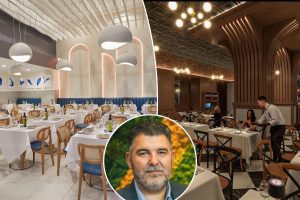
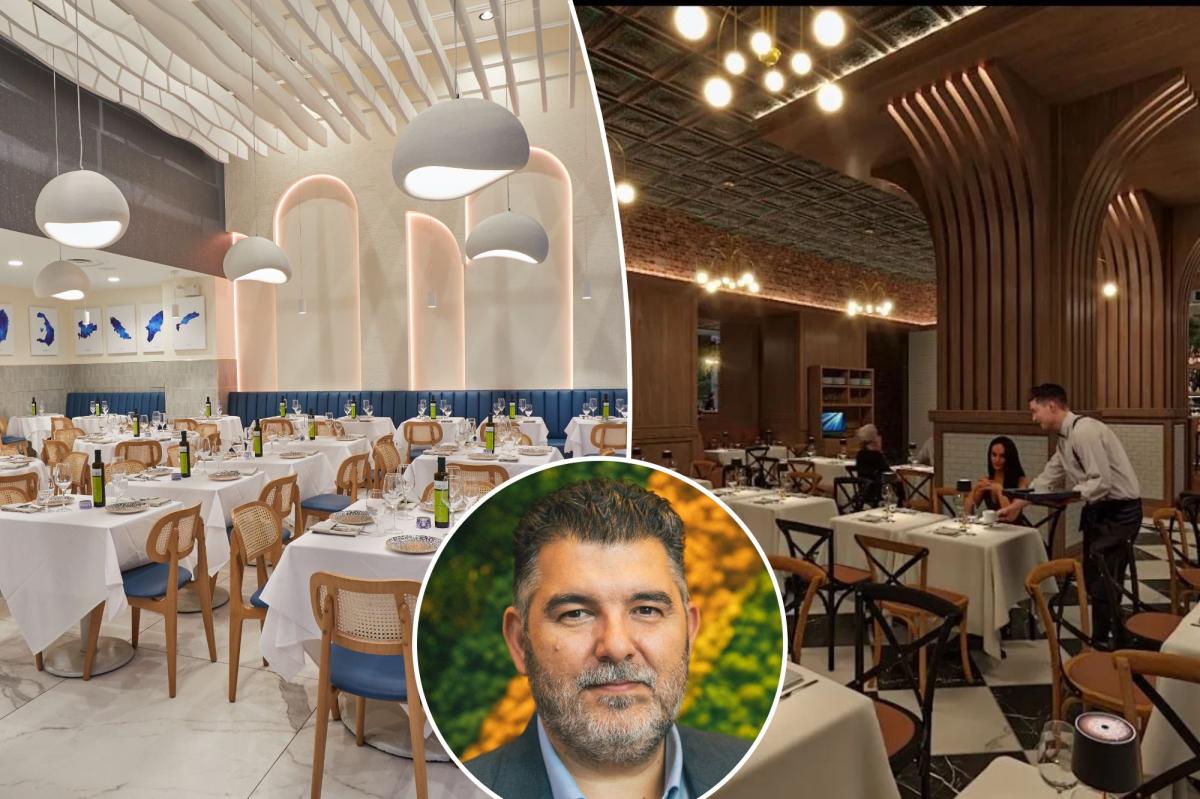
In the bustling heart of New York City, where skyscrapers touch the clouds and dreams are forged in the chaos of street vendors and late-night crowds, a new era has dawned under Mayor Zohran Mamdani. Known for his progressive, socialist leanings, Mamdani has ignited debates with proposals like hiking the minimum wage to a staggering $30 an hour and introducing taxes targeted at the wealthy. Critics argue this creates one of the most anti-business climates the city has seen in years, with potential hikes in costs that could squeeze small entrepreneurs and raise operational hurdles for everyone from moms-and-pops to high-end establishments. Yet, amidst this swirling storm of politics, a surprising wave of optimism and determination is sweeping through the Big Apple’s restaurant scene. Restaurateurs, those passionate souls who pour their hearts into crafting unforgettable dining experiences, aren’t packing up and leaving. Instead, they’re doubling down on the city they cherish, investing millions amid the uncertainty. It’s a testament to the unyielding love for New York—a place that, as one restaurateur puts it, “never sleeps or dies.” These business owners are rolling up their sleeves, opening new venues, and betting on the timeless allure of great food and service to draw in crowds. It’s not blind faith; it’s hard-won wisdom from years of navigating the city’s ebbs and flows. Take Stathis Antonakopoulos, for instance. He’s a classic New York story: a young dreamer who arrived from Athens in 1999 at just 21, with nothing but ambition and a knack for hospitality. Over the decades, he’s built an empire of diners and eateries, transforming simple meals into culinary adventures. Now, facing Mamdani’s policies, he’s not just talking the talk; he’s walking the walk by expanding aggressively. He opposes the $30 minimum wage spike, arguing it’s not feasible within city’s limits since wages are set by the state, not local leaders. Similarly, he’s skeptical of Mamdani’s wealth taxes, calling them election rhetoric that won’t hold water in practice. “You can’t pick and choose to only tax the rich,” he notes thoughtfully, highlighting the complexities of finance and governance. But beyond the debates, Antonakopoulos embodies New York’s resilient spirit. He’s opening seven new spots this year alone, starting with Delos, a fine-dining gem in Midtown that opened in January. It’s a place where elegance meets innovation, drawing diners seeking respite from the city’s hustle.
Delving deeper into Antonakopoulos’s ventures, it’s clear he’s not just opening doors; he’s creating legacies. By fall, another Delos will grace Tribeca, offering the same elevated experience in a different neighborhood vibe. And that’s not all—his Carnegie Diner & Cafes are spreading like wildfire, from the bustling Financial District up to Brooklyn’s City Point, and even across state lines to Paramus, New Jersey. With five existing NYC locations plus branches in Virginia and more NJ spots on the horizon, he’s turning these classic diners into beloved haunts where comfort food meets modern flair. Picture the iconic Carnegie, where late-night bites turn into memorable gatherings, or the soon-to-launch Voco Roofbar atop the Voco Hotel in Times Square—a rooftop oasis with panoramic views, perfect for toasting to the city’s enduring magic. Antonakopoulos’s offerings are a mix of nostalgia and novelty: hearty American classics with international twists, all plated with the precision of someone who knows what skims—nothing less. He’s dismissive of political distractions, insisting that mayors come and go, but New York endures. Quoting the iconic line from Dirty Dancing—”Nobody puts New York City in the corner”—he dances through challenges with the grace of a seasoned performer. Having built his life here, he attributes everything to the city: “It gave me everything I have.” This isn’t just business; it’s personal. He’s unfazed by federal or local headlines, focusing instead on what matters—providing exceptional food and service that keeps people coming back. Opening a rooftop bar feels like a defiant celebration, a way to remind everyone that New York’s energy isn’t dictated by politics. It’s about the buzz of city life, the shared laughter over drinks, and the simple joy of a well-made meal. Through it all, Antonakopoulos predicts Mamdani will learn the city’s rhythms soon enough, perhaps after his first turbulent year. It’s a hopeful bet on adaptation, rooted in someone who’s weathered grit and glory alike. His story resonates because it’s about grit: turning adversity into opportunity, one plate at a time.
Shifting gears, let’s meet Gary Wallach, the managing partner of Renwick Hospitality, who’s injecting optimism into the scene with their latest project. Renwick is no newcomer—they’ve dazzled New Yorkers with spots like Lindens, Foxtail, and ART Soho, each a fusion of creativity and comfort. Now, they’re launching Golden Child, a rooftop bar at the Hotel Park in Midtown, poised to become a new go-to for urban escapes. Wallach, with his pragmatic outlook, steers clear of cynicism about Mamdani, choosing hope instead. “I like to think that all of the mayors of New York are hoping for the best for businesses,” he shares warmly. It’s a graceful way of acknowledging that politics can be divisive, but at the end of the day, leaders aim to uplift the city for its residents and the spaces that bring joy. He emphasizes the importance of hoping politicians will foster environments where businesses thrive, offering “spaces for people to enjoy.” Golden Child embodies this ethos, designed as a playful retreat from the grind. It’s more than a bar; it’s a vibe—a modern American menu crafted by executive chef Carsten Johannsen, reimagining childhood favorites with gourmet flair. Think a luxurious PB&J elevated to art: pear, brie, and ham sandwiched between artisanal breads, or “The Only” Golden Osetra Caviar served over potato chips with crème fraîche, chives, and caramelized onion—decadent yet approachable. Pizzas get a grown-up twist, burgers sizzle with sophistication, and even chicken tenders morph into “tendies” dipped in Caesar salad magic. The cocktail program adds whimsy, with drinks that nod to nostalgia while sparking conversation. It’s the kind of place that turns a mundane weeknight into a cherished memory, where rooftop sunsets and lively chatter blend seamlessly. Renwick’s expansion feels personal, a declaration that they’re invested in New York’s future. Wallach’s words carry the weight of experience; he’s seen trends come and go, yet he believes in the city’s inherent goodness. Opening Golden Child isn’t just profit-driven—it’s about curating experiences that unite people, fostering community in a time of division.
Meanwhile, across town, the Mihajlov brothers—Kiril and Metodija—are proving that family and passion can outlast political headwinds. As owners of the beloved Consulate, with branches on the Upper West Side and in Midtown, they’ve built a reputation for neighborhood gems that feel like home. Now, they’re ramping up with audacious plans: a third Consulate in Murray Hill at 560 Third Avenue, taking over the former Rio Grande space and slated to open next month. Paired with it, an elevated sports bar called At the Office will launch simultaneously, catering to fans who want craft beers, big screens, and lively atmospheres without sacrificing quality. Their recent addition, The C Cafe in the West Village, opened just last September, showcasing their knack for blending tradition with innovation. But what makes the Mihajlovs stand out is their grounded perspective. Kiril Mihajlov signed the lease for the Murray Hill spot before the mayoral election, underscoring that their decisions stem from business acumen, not political forecasts. He keeps things simple: “I just watch my business,” distancing immediate woes—like a shocking 100% spike in egg prices earlier that week—from Mamdani’s agenda. It’s a reminder that real-world challenges, like supply chain hiccups, affect everyone far more than policy debates. Investing millions isn’t optional for them; it’s a commitment. “I have to open the businesses and try to make money. I can’t close,” Mihajlov explains earnestly, framing their empire as a labor of love for New Yorkers who crave authentic, neighborhood vibes. Their spots aren’t just eateries; they’re slices of community. Consulate, for instance, might feature Macedonian-inspired grilled meats, fresh salads bursting with flavor, and desserts that transport you to another world—all at prices that welcome regulars. At the Office promises elevated game-day fare, with gourmet pub grub that elevates wings and sliders to new heights, complemented by artisanal cocktails and a buzz that’s infectious. It’s about creating memories: families cheering in a dimly lit lounge, friends bonding over halftime snacks, or solo diners finding solace in comforting dishes.
Rounding out this tale of perseverance, it’s impossible not to feel inspired by these restaurateurs’ shared belief in New York’s indomitable nature. Despite the anti-business rhetoric swirling around Mayor Mamdani—from his ambitious wage hikes that could inflate costs to his wealth-tax ambitions that critics say overlook economic realities—these visionaries remind us that the city’s soul runs deeper than policy. They’re weaving threads of hope through expansion, choosing to see opportunity in adversity. Antonakopoulos’s quote about not letting politics sideline passion echoes Wallach’s hopefulness and the Mihajlovs’ focus on fundamentals. Each story humanizes the struggle: Antonakopoulos’s journey from Athens to Empire State, Wallach’s diplomatic optimism, Mihajlov’s familial drive. Together, they paint a picture of resilience, where good food and service triumph over tempests. New Yorkers, after all, are survivors—thriving in a place that rewards boldness. As Mamdani navigates his first year, these entrepreneurs might just teach him a lesson through their successes. It’s not about partisanship; it’s about the city’s heartbeat, pulsing with energy no matter who’s in office. From rooftop bars overlooking neon-lit streets to diners serving comfort in the dead of night, they’re ensuring that New York remains a feast for the senses, a beacon for dreamers, and a testament to the power of unshakeable love. In the end, these restaurateurs aren’t just building businesses; they’re building legacies, proving that even in a challenging climate, the Big Apple keeps shining bright.
To wrap up, this wave of openings—Delos’s elegance, Golden Child’s whimsy, Consulate’s soul—highlights the unbreakable bond between entrepreneurs and their city. They’re not immune to worries, but they counter with action, injecting vitality into neighborhoods hungry for connection. Mamdani’s policies might ruffle feathers, yet these restaurateurs personify New York’s motto: mayors change, but the magic endures. It’s a narrative of endurance, where personal stories intertwine with civic pride, urging us to savor the moments, support the locals, and remember that great food unites us all. In a town of endless possibilities, these pioneers are the ones ensuring the party never stops.