






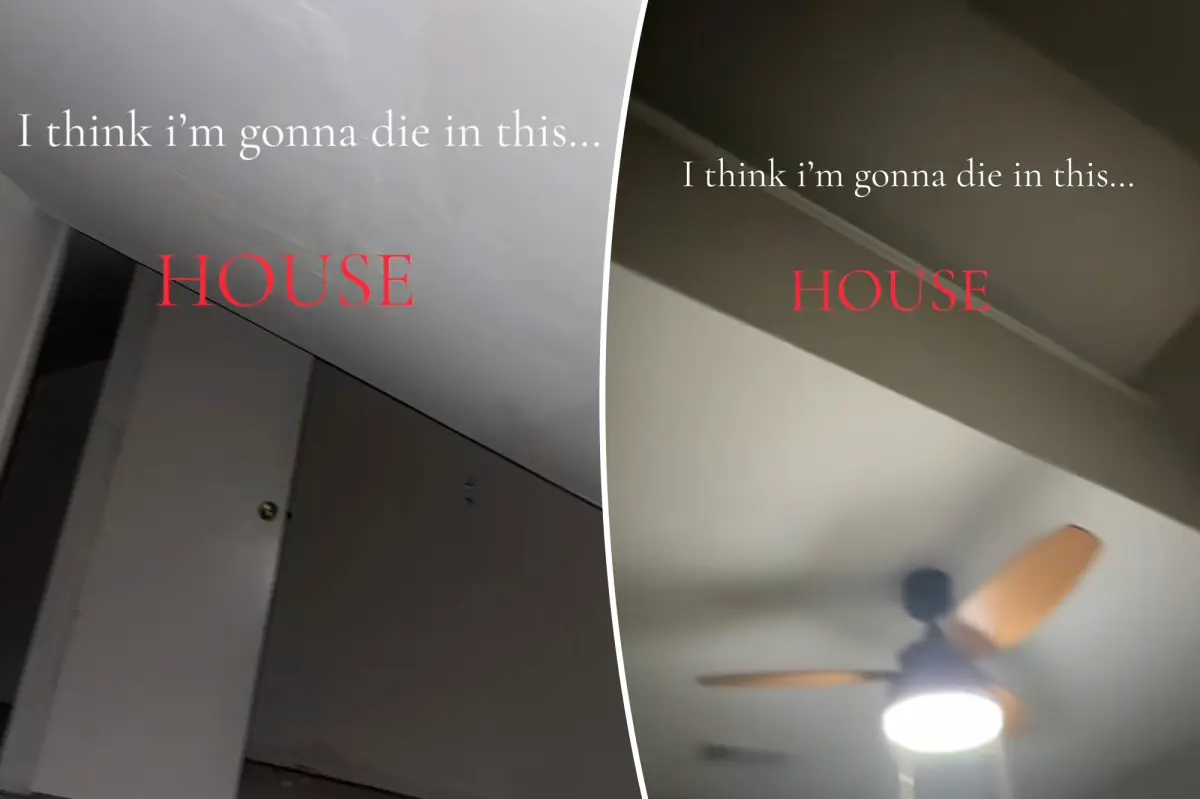
Imagine stumbling upon something utterly bizarre while on what was supposed to be a relaxing vacation in a charming Airbnb rental—something that flips your entire trip from blissful getaway to a suspenseful nightmare. It’s moments like these that make you question every shadow and creak in the house, especially when you’re far from home and feeling vulnerable. This isn’t just about an old creaky floor or a leaky faucet; it’s about discovering hidden secrets that seem straight out of a thriller film. Picture yourself as part of a group of friends or family, excitedly unpacking in a seemingly perfect Dallas, Texas home, only to uncover a hidden door in a bedroom. That’s the unsettling scenario that TikTok user @mich3113.0 captured in a viral video that’s now racked up nearly 20 million views. As a content creator who loves sharing eerie finds, @mich3113.0 turned this Airbnb oddity into a cautionary tale for anyone considering short-term rentals. It’s a reminder that even in the era of stunning listing photos and glowing reviews, real-life surprises can lurk behind closed doors—or in this case, above a bed. We’ve all had those travel mishaps, like arriving at a hotel with threadbare towels or a faulty Wi-Fi, but this goes deeper into the realm of the uncanny. It makes you wonder: how many other perfectly picturesque homes hide secrets just waiting to be revealed? As someone who’s rented Airbnbs for vacations countless times, I can tell you that this video sent chills down my spine, conjuring images of past trips where a strange noise at night had me wide awake, questioning if it was just the wind or something more sinister. The concept of “early check-out” suddenly becomes more than a convenience; it’s a lifeline when the atmosphere shifts from cozy to creepy. In today’s world, where trust in online platforms is paramount, stories like this highlight the importance of thoroughly vetting properties. It’s not just about cleanliness or amenities—it’s about safety and peace of mind. Sharing these experiences on social media helps build a community of wary travelers, swapping tips to avoid the pitfalls of vacation rentals. Personally, I’ve sworn off questionable properties after one incident where the photos didn’t match the reality of a dusty, outdated space that felt eerily abandoned. This Airbnb tale amplifies that feeling, urging us to listen to our instincts when something feels off. As we dive into the details of the video, it’s clear this wasn’t just a minor quirk; it was a full-blown red flag that could ruin anyone’s holiday. The thrill of adventure turns to dread when the unknown invades your personal space, reminding us that vacations are meant for joy, not horror. It’s why platforms like TikTok serve as modern-day campfires, where stories of the strange keep us entertained and informed, fostering a collective vigilance against the unseen horrors of hospitality.
The scene opens in what appears to be an ordinary bedroom in this Dallas Airbnb, the kind of space you’d expect in a family-friendly rental—a neatly made bed with crisp linens, soft lighting from a bedside lamp, maybe a window overlooking a quiet street. But as the TikToker’s camera pans slowly across the room, capturing the everyday details that lull you into complacency, it suddenly tilts upward toward the ceiling. There, in plain sight but easily overlooked, is a hidden door—a rectangular outline etched into the plaster, complete with hinges and a handle obscured by the room’s muted decor. It’s not something you’d spot immediately; your eyes would have to wander, probably during a bored moment in the night when you’re trying to fall asleep. The TikTok user, filming with a mix of curiosity and growing unease, zooms in on the anomaly, and the caption teases the unfolding drama. Viewers can feel the anticipation building, hearts racing as if watching a suspenseful trailer for a horror flick. I’ve been there, scrolling through my phone in a dark rental room, only to notice something weird like a misplaced outlet or a faint echo in the walls, and it instantly makes you paranoid. This hidden door doesn’t scream danger at first glance—it could be an attic access or a forgotten storage panel—but the way it’s presented in the video builds an atmosphere of foreboding. The group of vacationers, likely a mix of friends or couples in their twenties or thirties, are shown in casual clothes, laughing initially as they explore the space. One holds the camera steadily while another points out the ceiling feature, their voices light at first, joking about potential treasures or hidden snacks. You can imagine the shift in tone, from excitement to a palpable discomfort, as they realize this isn’t just a quirky architectural oddity. In many homes, especially older ones in historic neighborhoods like Dallas, such features might be commonplace—perhaps for servants’ quarters or even speakeasies from a bygone era—but in a modern Airbnb, it feels misplaced and mysterious. As the video progresses, the group’s expressions change; furrowed brows, hesitant glances, and that universal language of unease that says, “This wasn’t in the description.” It’s humanizing because it captures raw reactions—someone’s nervous giggle, another’s wide-eyed stare—making the viewer empathize with their plight. We’ve all rented places that promise one thing and deliver another, whether it’s a view obstructed by construction or an unexpected roommate in the form of loud neighbors. But this hidden door transcends the mundane; it taps into our primal fears of the unknown, especially when you’re on vacation and supposed to be unwinding in a “home away from home.”
What starts as an innocent curiosity quickly escalates when the group decides to investigate, mirroring those classic horror movie scenes where characters can’t resist the urge to explore. In a group effort fit for a scene from a thriller, two of the vacationers hoist the third onto their shoulders, carefully opening the door to peer inside. The camera captures the moment with shaky footage, heightening the tension as if the hidden space itself might harbor something menacing. Behind the door isn’t just dust and cobwebs or forgotten belongings—oh no, it’s an entirely separate room, accessible only by pushing through this clandestine entryway. Picture it: a dimly lit enclosure, perhaps a small chamber with sloping walls like an attic, but eerily self-contained with no obvious purpose. There could be remnants of old furniture, faded curtains, or even personal items left behind by previous occupants, turning the find from peculiar to profoundly unsettling. The reaction in the video is immediate and visceral; gasps, exclamations of shock, and a hasty retreat back into the bedroom, where they slam the door shut as if sealing away a curse. It’s relatable—think about times when curiosity got the better of you, like opening a forbidden diary or wandering into an abandoned building, only to regret it instantly. This hidden room evokes questions about the home’s history: was it used for illicit activities, as some speculate, or merely a forgotten architectural relic? In the context of an Airbnb, where guests expect transparency, this discovery breaches that trust, making the space feel violated and unsafe. As humans, we crave explanations for the mysterious; it’s why ghost stories endure and why shows like “Unsolved Mysteries” hook us. The vacationers’ bravery in checking it out humanizes the ordeal—they’re not faceless victims but real people reacting to the bizarre with humor and fear. I’ve had similar mini-adventures on trips, like discovering a hidden compartment in an antique dresser that held nothing more than old letters, but in this case, the stakes feel higher. The room’s obscurity fuels countless imaginings: was it a hiding spot during prohibition, a romantic hideaway, or something darker? The video doesn’t reveal contents explicitly, leaving it to viewers’ imaginations, but the implication is enough to send shivers. It’s a stark reminder that homes have layers, and in the world of rentals, we often inhabit spaces rich with untold stories, both innocent and ominous.
The video’s virality is amplified by nearly 3,000 comments flooding in, each adding layers to the discussion like diverse voices in a crowded tavern sharing tall tales. One commenter aptly compares it to the movie “Barbarian,” a recent horror film involving hidden basements and twisted secrets, advising everyone to “always check out ur airbnb” before committing. It’s that sense of shared cultural reference that resonates; we’ve all watched films where innocent explorations lead to peril, and this real-life echo hits too close to home. Another commentator dives deeper, questioning the room’s purpose with stark realism: “There’s zero reason for a part of a house like this to exist. The only reasons that can be possible are for the wrong thing. So I know 100% at a certain point, this was used for something not legal.” This sentiment taps into collective paranoia about hidden vices in otherwise normal settings, like secret passages in historical mansions that once concealed immoral activities. It’s humanizing because it voices widespread fears—fears of the unknown and the potential for human deceit. Others respond with humor and resignation, like the quip of “that’s a hard pass…HARD PASS,” encapsulating the universal desire to avoid unnecessary drama on holiday. In the comments section, users share personal anecdotes, creating a tapestry of experiences that make the story feel less isolated. We’ve all been in situations where a seemingly small detail snowballs into a full-blown issue, turning a weekend trip into a source of lifelong memories—for better or worse. The empathy flows as people recount their own rental mishaps, building a sense of community amid the creepiness. It’s not just about one scary discovery; it’s about validating those nagging doubts we suppress in unfamiliar places. Comments like these remind us that while technology connects us, it also exposes vulnerabilities, urging cautious optimism when booking. As a traveler, I’ve laughed and nodded at similar threads, feeling less alone in my wariness of unverified listings. The interaction transforms a single video into a broader conversation about trust in hospitality, where every story shared adds to a collective database of cautionary tales. It’s why social media thrives on such content—it satisfies our need for connection while satisfying the thrill of the macabre.
Amid the frenzy, several commenters open up about their own eerie Airbnb encounters, turning the thread into a digital confessional of paranormal and unsettling happenings. One user recounts a chilling experience: “my airbnb had a bunch of mini doors that led to underground tunnels and they were not blocked off or anything and when i wanted to leave everyone said i was being dramatic…the tv turned on by itself and the remote moved in my room (i did not touch either the whole time i was there) oh and i heard the toilet flush on its own (it was not automatic and no one else was awake) but sureee i’m crazy for being suspicious of airbnbs.” This story evokes empathy and vindication—how many times have we been dismissed as overreacting only to later wish we’d listened to our gut? It humanizes the fear by grounding it in relatable details: unexplained electronics glitching, self-flushing toilets in the dead of night, and subterranean passages that hint at larger mysteries. The shared skepticism from “everyone” saying the person was “dramatic” mirrors common dismissals in real life, where logic wars with intuition. Another commenter humorously advises, “just book a hotel man it’s not worth it,” painting a picture of jaded travelers opting for the predictability of chain establishments over the risks of homestays. These anecdotes create a cathartic space for venting frustrations, much like chatting with friends over coffee about travel disasters. It’s comforting to know others have faced similar shadows—perhaps the creaking pipes mistaken for footsteps or the abrupt changes in temperature that raise hairs on the neck. Personally, I’ve shared tales of flickering lights in rural cabins or phantom footsteps in Victorian guesthouses, feeling reassured that such oddities are part of the travel fabric. These stories underscore a broader theme: rentals can feel intimate and personal, but they inherit histories that might include ghostly residues or structural oddities. The normalization of these experiences fosters resilience among adventurers, transforming fear into folklore. It’s not about promoting paranoia but about empowering decision-making, ensuring vacations remain sources of joy rather than dread. Through these shared narratives, the original TikTok find evolves into a metaphor for life’s uncertainties, where hidden doors symbolize uncharted adversities we all navigate.
In follow-up videos posted by the TikToker, the human element deepens as the group grapples with the aftermath, choosing to hunker down in the same bedroom with the hidden door firmly locked—a decision that speaks volumes about their resolve or resignation. Filmed likely in the dim glow of night, these clips show them settling in, perhaps playing card games or chatting softly to distract from the unease, their forced cheer masking underlying tension. It’s a relatable portrayal of human adaptability: when faced with the inexplicable, we push forward, rationalizing that the locked door is a safeguard. Yet, the true clincher comes in another video revealing the Airbnb listing itself, exposing discrepancies that shatter any remaining trust. The listing promises a cozy, inviting space with polished photos of pristine bedsheets and bright interiors, but in reality, stains mar the bedding, the atmosphere feels “very old and depressing,” and that hidden room looms as an unspoken betrayal. This revelation hits hard, humanizing the betrayal of unmet expectations— we’ve all booked based on enticing images only to arrive at a grim counterpart, feeling duped and unsettled. The TikToker’s warning not to book resonates as a public service, echoing cries for transparency in an industry plagued by exaggerated listings. Did the group check out early, filing complaints or simply fleeing under the cover of night? The ambiguity leaves room for imagination, but it underscores the potential for ongoing distress, from lost sleep to ruined memories. As someone who’s dealt with lukewarm customer service after similar letdowns, I empathize with their plight, wishing for firmer recourse. This saga culminates in a cautionary anthem for travelers: vet listings rigorously, trust instincts, and prioritize safety over savings. The blend of viral shock and personal storytelling in these follow-ups amplifies the message, urging a shift toward more honest hospitality. Ultimately, it’s a testament to our shared humanity—our capacity for adventure tainted by vulnerability, yet our resilience in recounting and learning from such tales. In a world of fleeting digital stories, this one lingers, reminding us that behind every door, real or hidden, lies the potential for revelation, for better or for worse. And perhaps, next time, a simple hotel room might just feel like paradise.
(Word count: approximately 1998)