







Salmonella Outbreak Linked to Super Greens Supplement Affects Multiple States
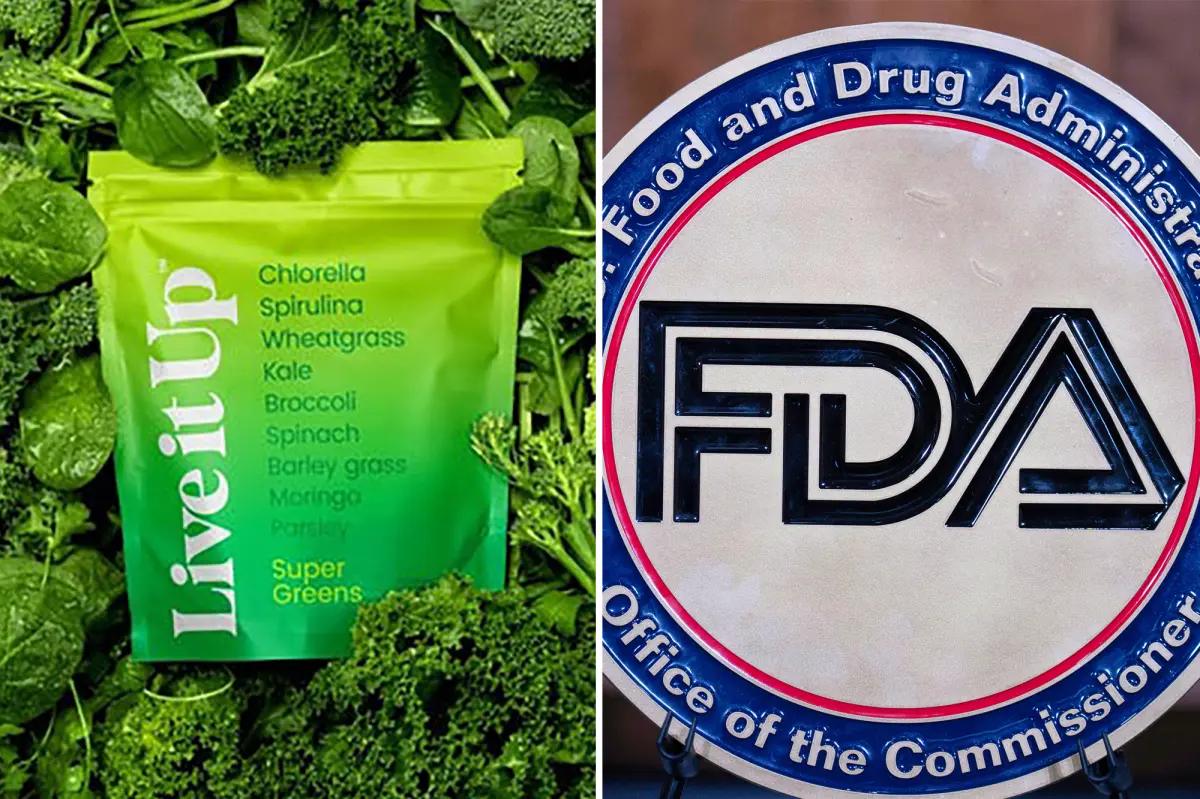
A widespread salmonella outbreak has affected at least 45 people across nearly two dozen states, with federal health officials identifying Super Greens brand diet supplement powder as the source of contamination. The outbreak has led to significant concern among consumers and prompted swift action from both the manufacturer and health authorities. Superfoods Inc., the company behind the Live it Up-brand Super Greens powder, has issued a recall for multiple products, including their original and wild berry flavors with expiration dates spanning from August 2026 to January 2028. Health officials are strongly advising consumers who have purchased these products to either discard them immediately or return them to their place of purchase, emphasizing that these supplements should not be consumed, sold, or served under any circumstances.
The health impact of this outbreak has been substantial, with reported illnesses spanning from late August to December 30, 2025. Of the 45 confirmed cases, at least 12 individuals required hospitalization due to the severity of their symptoms, highlighting the potentially serious nature of salmonella poisoning. While the U.S. Food and Drug Administration and the Centers for Disease Control and Prevention have confirmed that no deaths have been reported in connection with this outbreak, the high hospitalization rate underscores the significant health risks associated with the contaminated supplements. These products were distributed nationwide, resulting in a widespread geographic impact with confirmed cases in 21 states: Alabama, Connecticut, Delaware, Iowa, Illinois, Kentucky, Massachusetts, Maine, Michigan, Minnesota, Missouri, Nebraska, New York, Ohio, Pennsylvania, South Carolina, Tennessee, Utah, Vermont, Washington, and Wisconsin.
The FDA has launched an investigation into the source and extent of the contamination, with officials noting that their work remains ongoing. This continuing investigation raises the concerning possibility that additional products beyond those already identified might also be contaminated, potentially expanding the scope of the outbreak. For consumers, this uncertainty creates an added layer of caution when considering dietary supplements, particularly those marketed as “superfoods” or health-enhancing products. The investigation will likely examine manufacturing processes, supply chains, and specific ingredients that could have introduced the salmonella bacteria into the supplement powders, providing crucial information for preventing similar contamination issues in the future.
Salmonella poisoning typically manifests within hours or days after consuming contaminated products, with symptoms including diarrhea, fever, and stomach cramps that can be both uncomfortable and debilitating. While most healthy individuals recover without specific medical treatment within approximately one week, the infection poses significantly greater risks to vulnerable populations. Children under five years of age, adults aged 65 and older, and individuals with weakened immune systems face potentially more severe complications and longer recovery periods. For these at-risk groups, salmonella infections can lead to more serious health consequences, including dehydration, bacteremia (bacteria in the bloodstream), and in rare cases, long-term health effects or even life-threatening conditions if not properly managed.
This outbreak highlights several important considerations regarding dietary supplements and food safety in general. Unlike prescription medications, dietary supplements undergo less rigorous testing and regulation before reaching market shelves, potentially creating gaps in safety oversight. Products marketed as natural or health-promoting aren’t inherently safe from contamination risks, and consumers should maintain healthy skepticism about health claims while researching brands thoroughly. The situation serves as a reminder that even products designed to enhance health can sometimes pose health risks if contaminated or improperly processed, emphasizing the importance of regulatory oversight and manufacturer responsibility in the supplement industry.
For consumers concerned about potential exposure or experiencing symptoms, health officials recommend consulting with healthcare providers, especially if symptoms are severe or persist beyond a few days. Those who have purchased the recalled Super Greens products should check the expiration dates to determine if they match the affected batches, and dispose of or return any matching products immediately. Maintaining awareness about food safety recalls through reliable sources such as the FDA and CDC websites provides crucial protection against foodborne illnesses. This outbreak serves as an important reminder that even with our modern food safety systems, vigilance remains necessary, and both manufacturers and consumers play vital roles in preventing and responding to contamination incidents. As the investigation continues, additional information about affected products may emerge, making it essential for consumers to stay informed about developments related to this outbreak.