


A Quirky Feels-Friends in Feathers: The Heartwarming Tale of Sonia Kong and Her Emotional Support Chicken
Picture this: a bustling university campus in the crisp air of British Columbia, where Sonia Kong dedicates her days to unraveling the mysteries of the human psyche. As a professor of psychology at the University of Northern British Columbia, Sonia isn’t just lecturing students on the intricacies of mental health—she’s on the front lines of research into how pets can be tiny, furry (or in her case, feathery) anchors for emotional well-being. It’s a field she’s passionate about, not just academically but personally. You see, pets aren’t just companions to her; they’re lifelines that help individuals, especially young people, navigate the stormy seas of adolescence. Sonia has seen firsthand how these relationships foster resilience, build empathy, and even soothe anxiety. In her work, she explores how spending time with animals can boost social skills and emotional intelligence, often leading to healthier development. It’s a proven phenomenon: pets offer unconditional love, reduce stress hormones, and provide a sense of security that’s hard to replicate with humans alone. But for Sonia, whose life can be as hectic as a psychology seminar on game theory, one pet stands out—not a dog or cat, but a chicken named Saturday. This isn’t just any poultry; Saturday is Sonia’s emotional support animal, a living testament to the idea that therapy can come in the most unexpected packages. Adopted as a fluffy chick on a Saturday morning from a farm just outside Prince George, that tiny bird has quickly become an integral part of Sonia’s world, blending seamlessly into her routine of teaching, researching, and simply living. It’s a reminder that healing doesn’t have to be conventional; sometimes, it’s about finding connection in the simplest of places. Living in a world where mental health challenges are as common as smartphones in students’ hands, Sonia’s approach feels revolutionary. She’s interviewed countless people about their pet bonds, and it’s clear: these animals aren’t toys—they’re therapists in disguise. Her own story with Saturday proves it. The bird’s presence has transformed mundane days into moments of joy, proving that even in a clinical profession, the heart’s deepest comforts can hatch from the most surprising eggs.
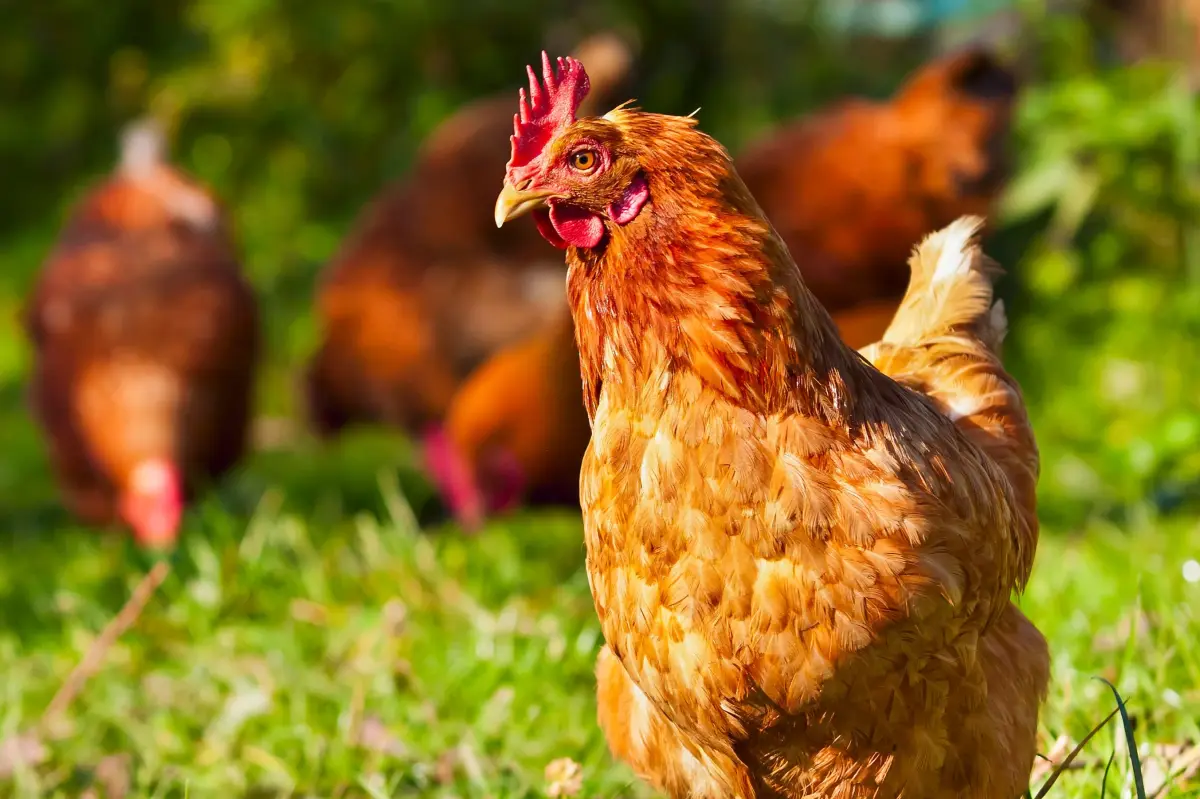
The story of how Saturday entered Sonia’s life is equal parts charming and serendipitous, like a feel-good plot from a children’s book that somehow became real. It all started on that fateful Saturday when Sonia visited a local farm beyond the outskirts of Prince George, drawn by curiosity and a yearning for something meaningful to add to her busy existence. As a professor juggling lectures on developmental psychology, advising graduate students on their theses, and managing the administrative demands of university life, she craved a bit of simplicity—a break from the high-stakes world of research deadlines and conference calls. The farm was a breath of fresh air: rolling fields dotted with barns, the earthy scent of hay mingling with the chirp of chickens roaming freely. Sonia, ever the observer of animal behavior, watched as these quirky birds pecked at the ground, their combs bobbing like little crowns. One particular chick caught her eye—not because it was the flashiest, but because it seemed intuitive, almost eagerly engaging with the environment. Adoption happened on a whim; Sonia scooped up the bundle of fluff that would become Saturday, and from that day, a new chapter began. Naming the chicken after the day of adoption felt perfect—it was a marker of new beginnings, a symbol of resting and renewing on the weekend of life. At 11 months old now, Saturday has grown into a sleek, inquisitive bird with a personality bigger than her coop. Sonia still smiles when she recounts the drive home, the chick nestled in a makeshift carrier, peeking out with those wide, innocent eyes. It’s a story that’s deeply human: in a time when we’re all seeking connections—whether through online communities or therapy apps—a simple farm outing provided the spark for Sonia’s own emotional revolution. And isn’t that relatable? We all stumble upon life-changing moments in the most ordinary ways, like grabbing a coffee or strolling through a pet store. Saturday’s arrival wasn’t planned like a research study; it was organic, a testament to the beauty of spontaneous bonds. Sonia credits it with helping her cope with the daily grind, reminding her that sometimes, the best coping mechanisms are the ones that cluck you out of your funk.
What truly humanizes Saturday isn’t just her origin story—it’s how intimately she connects with Sonia on an emotional level, transforming a pet into a perceptive confidante. As someone who spends her days analyzing human emotions in a clinical setting, Sonia finds it almost poetic that a chicken seems to grasp hers intuitively. “She’s so smart,” Sonia shared with the CBC, her voice laced with genuine affection during an interview that captured the essence of their bond. Saturday doesn’t just sit idly in her coop; she responds. When Sonia feels overwhelmed—perhaps after a grueling day grading essays or grappling with the uncertainties of academic publishing—the bird senses it. Saturday might tilt her head, her beady eyes locking onto Sonia’s, as if to say, “What’s up? Let’s figure this out together.” It’s those moments when sadness hits that Saturday shines: she’d gently fluff her feathers and settle in, offering silent companionship that drowns out the world’s noise. There’s something profoundly comforting about being understood without words—especially for someone like Sonia, whose profession demands constant verbal articulation of complex feelings. In a world obsessed with talk therapy and mindfulness apps, this non-verbal exchange feels revolutionary, proof that empathy can transcend species. Sonia recalls a particularly tough day when tears welled up; Saturday just lay there, gazing knowingly, without judgment or interruption. “Why are you crying?” the bird’s posture seemed to ask, and in that simple act, hope flickered back. It’s not mystical; animals, especially those we’re attuned to, pick up on cues—body language, tone, even pheromones. For Sonia, it’s a lifeline, a daily reminder that vulnerability isn’t weakness, it’s an opportunity for connection. And who hasn’t wished for a companion that just “gets” you without needing an explanation? Saturday embodies that, making Sonia’s home a sanctuary of quiet understanding, where even the cluck of a chicken feels like a hug.
But owning a chicken in modern Canada isn’t all romantic roosts and heartfelt gazes; practical challenges abound, and Sonia’s ingenuity has turned potential hurdles into solutions that highlight her resourcefulness. Imagine trying to integrate a full-time feathered friend into city life—especially when your job involves frequent travel for conferences or collaborations with international researchers. Chickens aren’t known for their portability; most people house them in backyard coops, not urban apartments. Yet Sonia faced this head-on, crafting a custom diaper for Saturday so she could join her on outings without incident. Picture this: Sonia, with her psychology background, applying problem-solving skills to chicken care. She likely experimented with soft fabrics and secure fastenings, turning an avian necessity into a fashion statement that doubles as a travel accessory. This diaper—perhaps adorned with playful patterns or protective padding—allows Saturday to accompany Sonia on walks, errands, or even short car rides around Prince George without fuss. It’s a quirky hack that speaks to Sonia’s compassionate creativity, ensuring her support animal remains by her side during everyday adventures. Critics might scoff at the idea, questioning everything from hygiene to practicality, but for Sonia, it’s about inclusion and accessibility. Emotional support animals come in all forms, and who’s to say a chicken can’t be as valid as a therapy dog? Her creation has sparked conversations, perhaps inspiring others to think outside the coop when it comes to assistive aids. In Sonia’s eyes, it’s symbolic: just as she researches how pets adapt to human lives, Saturday is adapting right back, proving that bonds are built on mutual accommodation. And in a society where mental health accommodations are scrutinized, Sonia’s approach feels empowering—a blend of science, empathy, and a dash of DIY spirit that reminds us adaptability is key to any relationship.
Sonia’s personal journey with Saturday extends into her professional realm, where she’s channeling this experience into groundbreaking research that could touch countless lives. As an expert in developmental psychology, she leads an international study exploring how pets shape the social and emotional growth of teenagers—an endeavor that’s both timely and transformative. Teens today face unprecedented pressures: social media comparisons, academic stress, and existential anxieties about the future, all while navigating identity in a multicultural world. Sonia’s online survey dives deep into this, gathering data from adolescents across cultures to see how time with pets influences traits like self-esteem, empathy, and stress management. Partnering with Tracy Wong, an assistant professor at the Chinese University of Hong Kong, the project examines cultural nuances—do pets play different roles in Western versus Eastern societies? For instance, in some cultures, animals are for utilitarian purposes, not emotional ones, which adds layers of fascination. Sonia’s own story with Saturday informs her work, making her findings resonate on a personal level. Imagine the survey questions: “How does playing with your pet make you feel?” or “Has interacting with animals helped you connect with friends?” The results could redefine pet therapy, showing that these bonds aren’t peripheral—they’re central to healthy adolescence. With Saturday as her muse, Sonia advocates for inclusive research, considering how underrepresented voices perceive animal companionship. It’s a study that bridges academia and real life, potentially shaping policies on mental health support. And as Sonia balances her professor duties with data analysis, her chicken serves as a living example, reminding participants that behind the statistics are real stories of connection and growth. In an era of global challenges like climate anxiety or digital disconnection, this research feels vital, offering hope that something as simple as a pet can nurture the next generation’s resilience.
Finally, the tale of Sonia and Saturday comes full circle in her family’s reactions, revealing layers of cultural dynamics that add warmth and relatability to an already endearing story. Sonia’s parents, rooted in traditions that might view chickens as farm commodities rather than pals, are slowly warming to the idea—but not without a healthy dose of humor. They jokingly inquire if she’s planning to turn Saturday into dinner, a lighthearted jab that stems from generational and cultural gaps. In some circles, animals are seen through a practical lens—food, labor, protection—not emotional companions. Sonia laughs it off, explaining that Saturday is family now, not fodder. “They’re kidding, but there are cultural value differences,” she notes, highlighting how perspectives on pets vary worldwide. It’s a point that echoes her research: what boosts well-being in one culture might seem unconventional in another. Yet, beneath the jokes is genuine adaptation; her parents might even peek into Saturday’s coop with curious smiles, bridging old ways with new. This familial banter humanizes a broader truth: mental health journeys aren’t solo endeavors—they involve communities adjusting to unique paths. For Sonia, Saturday isn’t just a chicken; she’s a bridge between worlds, blending academic rigor with emotional rawness. In sharing her story, Sonia invites us all to reconsider our assumptions about comfort and connection. Who knows? Maybe a chicken’s gentle presence could change a life—or at least, peck away at some stereotypes. As Sonia looks ahead, with Saturday by her side, it’s clear: in the coop of life, unexpected allies make all the difference. And in a troubled world, that’s a cluck-worthy reminder indeed.