







FISHER SIGHTING: A CENTURY-LONG RETURN TO CUYAHOGA COUNTY
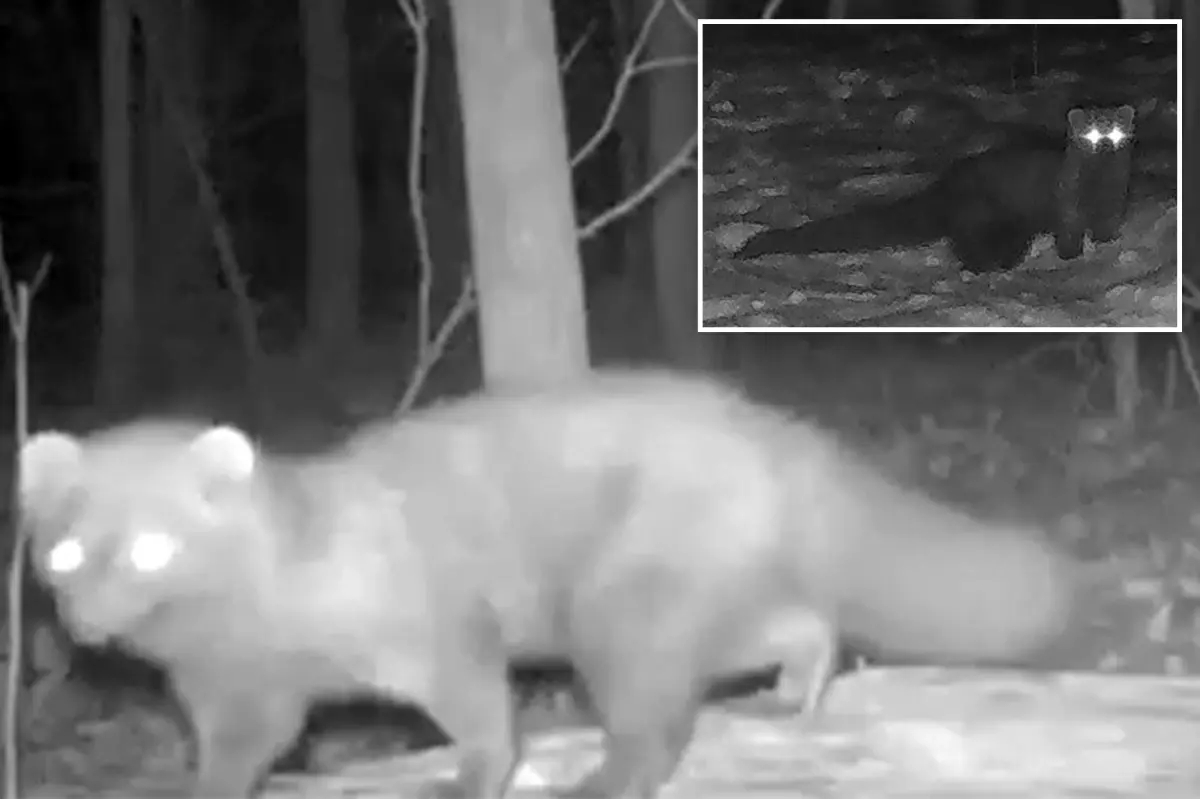
In a remarkable wildlife moment that has thrilled local conservationists, a fisher—a native Ohio mammal not seen in Cuyahoga County since the 1800s—was recently captured on a Cleveland Metroparks trail camera. This unexpected sighting represents more than just an interesting nature observation; it symbolizes the success of dedicated conservation efforts that have been quietly transforming Northeast Ohio’s ecosystem for decades. The elusive creature, which typically inhabits the northern regions of Ohio, was recorded scampering through the park’s woodland habitat, even pausing briefly to look directly at the camera in a moment that has since captivated local wildlife enthusiasts and environmental stewards alike.
This discovery holds particular significance because the fisher’s disappearance from most of Ohio by the mid-19th century stands as a stark reminder of our environmental past. According to the Ohio Department of Natural Resources, which lists the fisher as a species of special interest, these members of the weasel family vanished from Ohio’s landscape primarily due to two human-driven factors: widespread habitat destruction and unregulated trapping practices. Their absence has been a silent testament to the environmental costs of unchecked development and resource exploitation that characterized much of America’s expansion during that era. Now, this single animal’s appearance suggests nature’s remarkable resilience when given the proper conditions to recover—a hopeful message in today’s climate of environmental concern.
What makes this sighting truly extraordinary is the timing—after more than a century of absence. Cleveland Metroparks officials have described the discovery as “tremendously exciting,” noting that it represents tangible evidence that their comprehensive approach to conservation is yielding real results. The parks system has implemented extensive habitat restoration efforts throughout its network of forests, wetlands, and waterways, creating interconnected green corridors that allow wildlife to thrive and gradually recolonize areas where they were once common. This particular fisher’s journey back to Cuyahoga County didn’t happen overnight; it represents the culmination of patient, science-based conservation work that has slowly transformed the region’s ecological health over generations.
The fisher itself is a fascinating creature that few modern Ohioans have had the opportunity to observe in the wild. As a member of the mustelid family (which includes weasels, otters, and badgers), fishers are known for their agility, intelligence, and predatory prowess. Despite their name, they rarely catch fish, instead preferring to hunt squirrels, rabbits, and even porcupines—one of the few predators capable of successfully hunting this spine-covered rodent. Medium-sized with dark brown fur, fishers typically weigh between 8-13 pounds and measure about 3 feet in length including their bushy tails. They’re primarily nocturnal and notoriously secretive, making this daytime camera capture all the more special. Their return suggests not only suitable habitat conditions but also the presence of a healthy prey base and ecological balance within the park system.
The implications of this fisher sighting extend far beyond the excitement of seeing a rare animal. Wildlife biologists and environmental scientists view such returns as important indicators of ecosystem health and recovery. When apex or mesopredators like fishers can successfully return to their historical ranges, it often signals that the entire food web beneath them has achieved some measure of stability and resilience. The presence of fishers may help regulate populations of smaller mammals, creating ripple effects throughout the ecosystem. Furthermore, this sighting gives conservationists valuable data about wildlife corridors and habitat connectivity in Northeast Ohio, potentially informing future land preservation decisions and conservation strategies that could benefit numerous other species attempting similar comebacks.
For Cleveland residents and visitors alike, this fisher sighting offers something increasingly precious in our modern world: hope. In an era of troubling headlines about species decline and habitat destruction globally, this small success story demonstrates that positive environmental change is possible when communities commit to long-term conservation goals. The fisher’s return invites us to imagine what other native species might one day reappear if we continue investing in protecting and restoring natural spaces. Cleveland Metroparks officials hope this discovery will inspire increased public support for conservation initiatives and perhaps encourage more people to explore these urban wilderness areas—always respectfully and at appropriate distances—to forge their own connections with the remarkable wildlife that increasingly calls Northeast Ohio home. As this fisher demonstrates, sometimes nature is simply waiting for the right opportunity to return to places where it once belonged.