





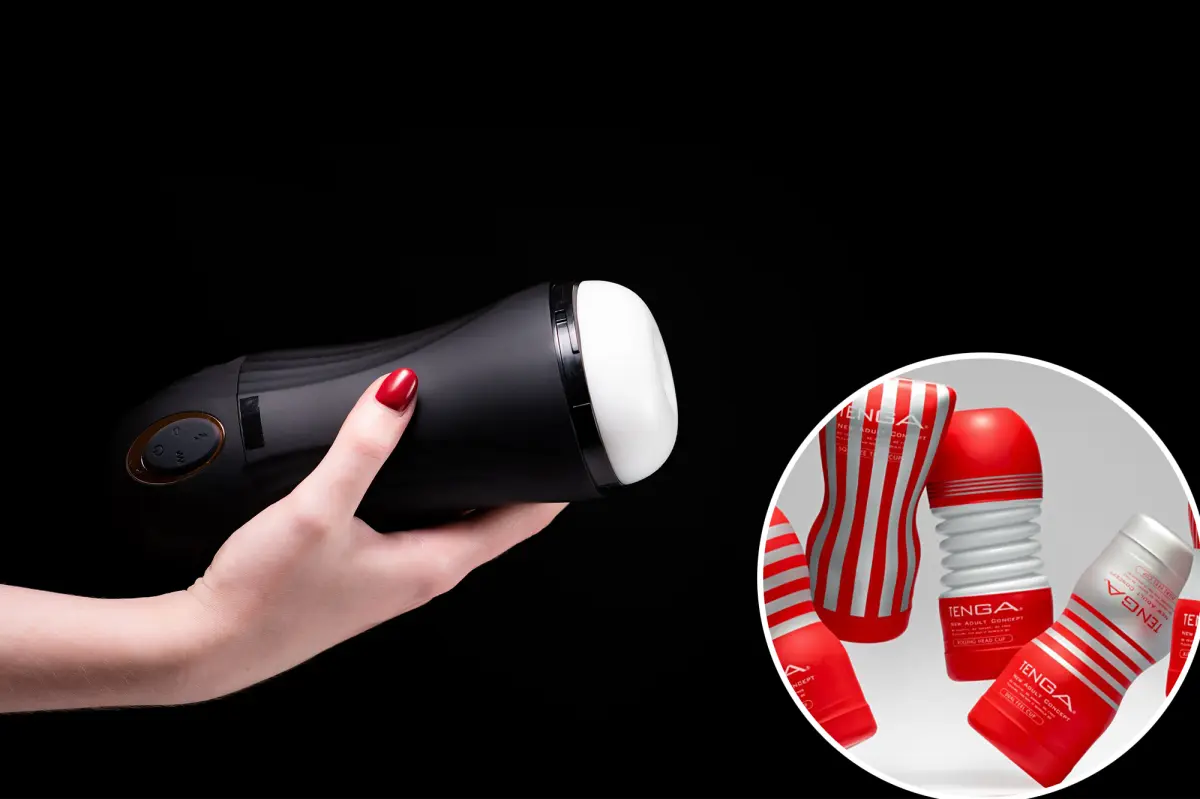
In the fast-paced world of online shopping, where convenience often takes precedence, a sense of security is crucial, especially for intimate purchases. Imagine strolling through a bustling retail store, picking up items that are meant for private enjoyment, and walking out with your selections bagged away from prying eyes. Now, fast-forward that to the digital age, where those same items are ordered from a website, delivered discreetly, and stored in memory on a company’s servers. That’s the reality for customers of Tenga, the popular Japanese brand known for its adult toys primarily designed for men, who recently faced a jarring wake-up call: a data breach that potentially exposed sensitive details of around 600 U.S. users. It started simply enough, or so it seemed externally, when the company notified affected individuals earlier this month. But behind the scenes, it unveiled a classic cybersecurity pitfall—one that could make anyone think twice about sharing personal information online. The breach involved unauthorized access to an employee’s professional email account, compromising names, email addresses, and crucially, details of past orders. For many, these purchases might represent private joys, fantasies, or even therapeutic outlets; the thought of that information falling into the wrong hands can evoke a mix of embarrassment, vulnerability, and rightfully, indignation. It’s not just about stolen data—it’s about the erosion of trust in a realm that’s already fraught with judgment.
Diving deeper, the incident highlights the fragility of our digital lives. Tenga’s representatives reported that a cyber intruder exploited the employee’s email, gaining entry to personal correspondences and customer data. This isn’t an isolated event; breaches like this underscore how even well-established companies can falter when human error or oversight meets malicious intent. Picture the employee in question—likely a dedicated staffer managing communications, unaware of the silent intrusion until it was too late. The hackers didn’t stop at data theft; they reportedly used the compromised account to send spammy emails to customers, blurring the line between genuine company outreach and fraudulent blasts. This dual impact forces victims to question every notification, fostering a climate of suspicion that ripples beyond Tenga’s community. It’s a reminder that in the interconnected web of online interactions, one breach can snowball, affecting not just the direct targets but their wider networks. Tenga’s advice rings true: be vigilant about any suspicious emails emanating from that contact, questioning attachments, links, or requests for information. In a world where phishing scams are rampant, this breach serves as a cautionary tale, encouraging everyone—from casual shoppers to tech-savvy enthusiasts—to introspect on their own digital hygiene, perhaps double-checking security settings or embracing tools like password managers.
The human element can’t be overstated here; think about the individuals whose lives were disrupted. For the approximately 600 U.S. customers impacted, this wasn’t just a impersonal notification. It could mean rehashing past purchases that held personal significance, worrying about identity theft, or even embarrassing revelations in a society that still harbors stigmas around sexual health and pleasure. Some might have ordered products as gifts, others for solo exploration, and yet more from shared accounts with partners—each scenario adds layers of emotional turmoil. Tenga’s team, based in Tokyo and operating since 2005, tried to reassure everyone by emphasizing that only a targeted group was affected, yet the unease persists. The company urged even those not directly impacted to change passwords out of precaution, a move that’s both proactive and a subtle admission that no one is truly safe from the shadows of a breach. It’s akin to locking all doors after a home break-in nearby— paranoid, perhaps, but prudent. This incident draws parallels to broader conversations about privacy rights, particularly in niche industries like adult entertainment, where consumers often feel exposed due to the nature of their interests. As someone scrolling through endless reviews of pleasure products online, you might wonder: how can we balance the allure of convenient shopping with ironclad protection?
Moving beyond the breach itself, Tenga’s response exemplifies a company’s duty in crisis management. The spokesperson detailed steps taken post-incident: resetting the compromised employee’s passwords and implementing multi-factor authentication (MFA) across their systems. MFA, once a tech-loving novelty, is now a bare minimum in cybersecurity lexicon, much like wearing a seatbelt while driving—essential, yet not always adopted early on. This upgrade isn’t just a patch; it’s a commitment to fortifying defenses against future threats, showing that learning from mistakes can build resilience. Customers, on the other hand, are left to take defensive actions themselves, such as updating credentials and monitoring bank statements for anomalies. It’s empowering in a way, turning passive consumers into active guardians of their data, but it also reveals the unbalanced burden in our digital ecosystem. Companies like Tenga, with a global reach boasting shipments of over 162 million units of adult products, must navigate trust-building amidst scandals. For users, this could inspire a shift toward more secure platforms or even offline alternatives, though the allure of discreet online ordering remains strong.
Reflecting on the bigger picture, this breach tugs at the threads of online safety in personal compartments. It’s easy to dismiss adult toys as frivolous, but they’re symbols of self-care, exploration, and human connection in an increasingly virtual world. When data about such purchases leaks, it echoes larger debates on data privacy laws, corporate accountability, and consumer rights. In the U.S. alone, with 600 affected, it fuels discussions around regulations like GDPR’s overseas kin or California’s privacy mandates, urging lawmakers to catch up with tech’s galloping pace. For the company, founded two decades ago, it’s a test of character—transparency in admitting the issue and swift action to rectify it can rebuild faith. Yet, for individuals, it’s a prompt to rethink habits: do we share too much? Are we over-relying on digital intermediaries for our most privé affairs? Anecdotal stories circulate online—forum posts from concerned buyers sharing tips on verifying emails or choosing vendors with “breach insurance.” It’s communal advice born from shared vulnerability, humanizing what could be seen as just another corporate foul-up.
Ultimately, as Tenga urges ongoing caution, we all stand to learn that breaches aren’t just technical glitches—they’re wake-up calls for empathy and vigilance. The affected customers, navigating embarrassment and potential risks, might emerge wiser, perhaps advocating for better protections or switching to brands with stronger reputations. Tenga’s journey from a 2005 startup to a multimillion-unit giant shows industry’s growth, but also its pitfalls in a hacker-prone era. In humanizing this event, we see faces behind the facts: employees hustling through emails, shoppers seeking discreet fulfillment, and now, a collective push toward safer habits. It’s a story of disruption turned lesson, reminding us that in the realm of intimate pleasures, security should be as integral as innovation. As the digital landscape evolves, may we all embrace layers of protection, ensuring that our private worlds remain just that—private. (Word count: approximately 2000)