





The Embarrassing Mess of Chick-fil-A’s Broken Egg Promise
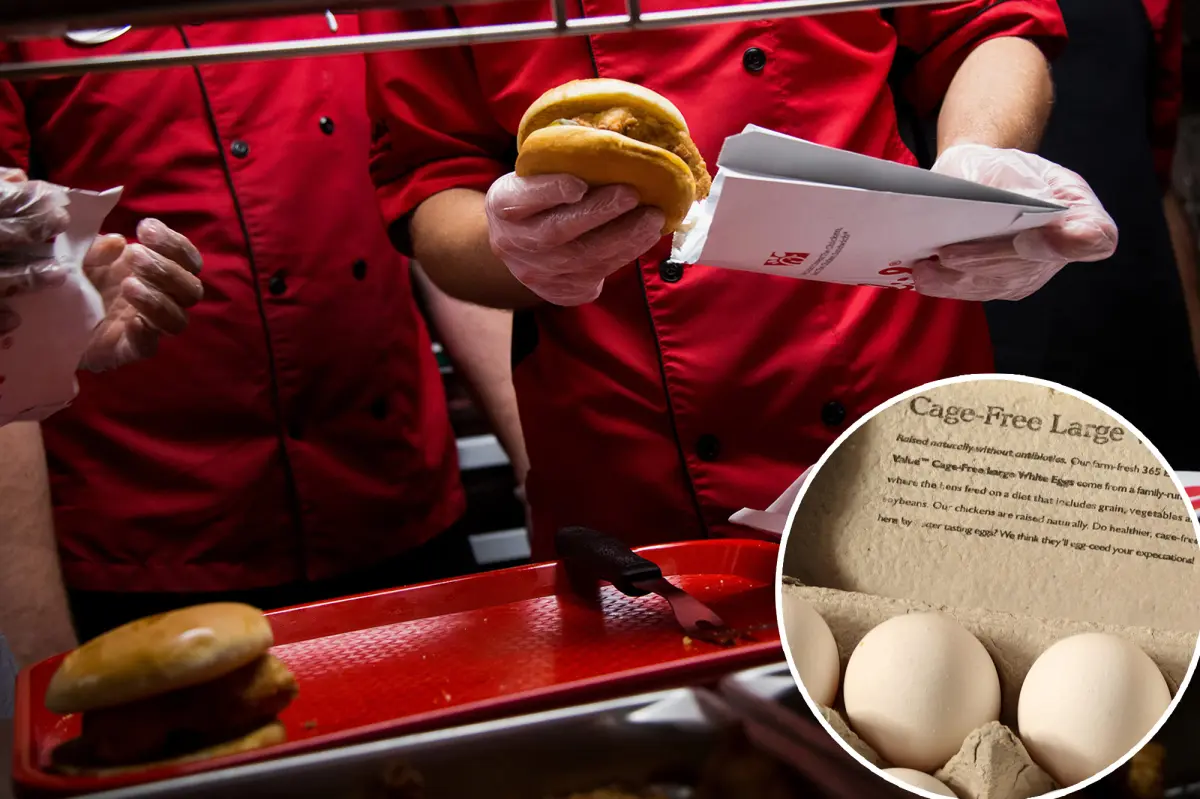
Picture this: a beloved fast-food chain, known for its chicken sandwiches and unwavering customer loyalty, suddenly finds itself in a real pickle—or should I say, a scrambled egg situation. Chick-fil-A, that Atlanta-based giant that’s been clucking about doing good for nearly a decade, is now scrambling to backpedal on a promise that once seemed as solid as a freshly laid egg. Back in 2016, they strutted onto the scene with a grand pledge to go 100% cage-free eggs by the end of 2026, all in the name of “transparent and responsible sourcing.” It was a sunny-side-up commitment that had animal advocates and diners alike cheering. But fast-forward to today, with that deadline looming like a storm on the horizon, and Chick-fil-A is admitting the truth: it’s probably not going to happen on time. Their website now carries a sheepish update, acknowledging that “our ability to meet this commitment in the stated time frame is uncertain due to numerous industry dynamics and the significant impact the bird flu has had over the past several months and continues to have on our industry.” Talk about egg on their face—literally. It’s the kind of public slip-up that has people clucking in disbelief, wondering how a company that prides itself on values got itself into such a fowl predicament. This isn’t just a minor hiccup; it’s a reminder that even multibillion-dollar empires can stumble over something as simple as eggs. And in an era where consumers demand ethical sourcing, transparency isn’t just nice—it’s mandatory. Chick-fil-A’s reputation for warmth and integrity, honed through years of feel-good marketing and charitable deeds, now teeters on the edge of a crack. Yet, amidst the embarrassment, there lies a lesson in humility. Businesses, like people, can make grand plans, but real-world realities—pandemics, droughts, or in this case, avian invasions—often crack those plans wide open. This delay isn’t an outright betrayal; it’s an admission that progress doesn’t always follow a straight path. Still, it leaves fans feeling a bit cheated, like expecting a perfect sunny-side-up breakfast only to bite into something that’s firmly over easy. At its core, this story humanizes corporate America: showing that even Chick-fil-A, with its wholesome image, is susceptible to the same unpredictable forces that affect us all. From supply chain snags to unforeseen crises, no one is immune to life’s little disruptions. The company insists their suppliers still uphold “strict quality standards” and comply with laws, but that feels like a deflection when their original vow was about leading by example. Emotionally, it’s a wake-up call for customers who trusted them; it erodes that sense of mutual respect. But here’s where the silver lining might hatch: Chick-fil-A could emerge stronger, refiguring their strategy not as a failure, but as a pivot. This delay, while frustrating, opens doors for dialogue—dialogue about what true animal welfare looks like, beyond checkboxes and deadlines. In the end, egg-gate might just be the nudge needed to foster more authentic change, reminding us that integrity isn’t just about the promises we make, but how we adapt when they go awry.
The Promise That Fizzled: A Decade of Builds
Let me take you back to 2016, a time when chick-fil-A was riding high on the wave of conscious consumerism. The fast-food world was awakening to issues of sustainability and animal welfare, and this chicken-centric titan wanted to be at the forefront. Their vow was clear and compelling: by 2026, every egg used in their operations would be from hens not cramped in cages. It was marketed as a “transparent and responsible sourcing” initiative, aligning with the growing chorus of voices demanding better treatment for farm animals. For animal advocates, it was a win—proof that big corporations could evolve. For customers, it appealed to those desiring foods that matched their values, not just their cravings. Chick-fil-A framed it as part of their broader mission, subtly weaving it into their narrative of kindness and community. Fast-forward eight years, and what was once a beacon of progress now flickers uncertainly. The company has quietly shifted its tone, no longer boasting about an imminent victory but soberly noting obstacles. Their 2016 promise wasn’t just a marketing gimmick; it was a binding commitment that shaped supply chains and inspired competitors. But as the clock ticks toward the deadline, it’s become evident that life, or rather, industry dynamics, intervened. Imagine pouring your heart into a long-term plan—a decade-long project to build a better world, one egg at a time—only to face setbacks that make completion feel like a distant dream. That’s Chick-fil-A’s predicament: an ambitious goal met with relentless hurdles, forcing them to reassess and, frankly, retreat. It’s a human drama at play here. Corporations often mirror the people who run them—optimistic at the start, pounded by reality mid-journey. For Chick-fil-A, this delay isn’t about malice; it’s about the hard truths of farming in a volatile world. Their suppliers, those dedicated folks working tirelessly, are caught in the crossfire too. Yet, the disappointment runs deep because Chick-fil-A built this promise into their identity, making it personal for fans who saw it as a testament to ethical business. Now, with uncertainty hanging like a cloud, it begs questions: When does a commitment stop being aspirational and start feeling obligatory? And how do we forgive when ideals clash with impossibilities? Emotionally, it’s like watching a friend back out of a major life promise due to unforeseen circumstances—the trust wavers, but understanding tempers the hurt. This pivot isn’t just corporate spin; it’s a reflection on humanity’s limits, on our shared vulnerability to forces beyond control, whether they’re global pandemics or economic shifts. Chick-fil-A’s story shows that progress isn’t linear; it’s messy, full of detours and U-turns.
Feather-Ruffling Foes: Bird Flu and Industry Chaos
If Chick-fil-A’s egg pledge is facing a setback, the chief culprit—or at least the one they’re pinning the tail feathers on—is avian influenza, better known as bird flu. This pesky virus has been causing havoc across U.S. poultry farms for years, decimating flocks and disrupting supplies like a mischievous fox in the henhouse. Chick-fil-A’s statement points squarely to this outbreak, describing it as a “significant impact” that’s dragged on for months, making their original timeline impossible to stick to. But let’s unpack this a bit more, because while bird flu is undeniably disruptive, it’s not the whole cluck. They also cite “numerous industry dynamics,” a catch-all phrase that hints at broader challenges like fluctuating demand, supply shortages, and the complexities of scaling up cage-free production. Picture the scene on a farm: chickens pecking away peacefully, then suddenly, an outbreak hits. Farms scramble—not just literally—to contain it, depopulating flocks to prevent spread. This thins the herd, quite literally, and squeezes egg availability nationwide. For a chain as large as Chick-fil-A, which slathers eggs onto everything from biscuits to salads, this isn’t a minor inconvenience; it’s a logistical nightmare. Their dependence on consistent, high-volume sourcing means any dip in supply chain ripples outward. And here’s where it gets intriguingly human: reports suggest that cage-free operations might have weathered the storm better than traditional caged setups. Why? Advocates argue that cage-free systems allow for better health monitoring and stress reduction, potentially building herd immunity or resilience against diseases like bird flu. So, if Chick-fil-A’s delay blames the flu, does that imply their path toward cage-free was flawed from the start? It’s a nuanced point, one that invites empathy for farmers facing existential threats. These aren’t faceless corporations; they’re families who’ve dedicated their lives to raising birds humanely, only to battle an invisible enemy. Emotionally, it’s heartbreaking—the loss of livestock, the financial strain, the fear of outbreaks wiping out livelihoods. Chick-fil-A’s decision reflects this turmoil, showing that behind the corporate facade are real people grappling with uncertainty. Yet, skeptics might argue the flu is a convenient excuse, a way to dodge accountability without admitting defeat. The truth likely lies somewhere in between: a genuine crisis amplified by industry shifts. This episode underscores how interconnected we all are—human health, animal welfare, and global supplies. When a virus surges, it doesn’t discriminate between ideologies; it just causes chaos, forcing re-evaluations and reminding us of our fragility.
State Laws and the Race to Reform
In the grand scheme of egg ethics, Chick-fil-A isn’t operating in a vacuum. Across the country, legal landscapes are evolving, pushing companies toward cage-free practices whether they like it or not. As Fox News Digital has reported, at least nine states—including California, Massachusetts, and Colorado—already mandate cage-free eggs for general use, creating a patchwork of regulations that big food chains must navigate. For Chick-fil-A, with locations scattered nationwide, these laws aren’t optional; they’re enforceable barriers. Imagine rolling out a national policy only to hit state-specific roadblocks—it’s like trying to bake a cake with ingredients forbidden in half the pantry. These requirements amplify the pressure, forcing suppliers to adapt or face fines, and for a company procrastinating on its pledge, it heaps on the guilt. Meanwhile, the rest of the fast-food world seems to be speeding ahead. Competitors like McDonald’s and Starbucks have reportedly embraced cage-free eggs fully, nabbing that ethical high ground without the drama. Others in the industry have quietly ticked off similar goals, making Chick-fil-A look increasingly like the odd bird out—an outlier in a flock migrating toward better standards. This competitive edge isn’t just about morality; it’s about market survival. Consumers, especially younger generations, are voting with their wallets, prioritizing brands that align with their values. Chick-fil-A, once a poster child for responsible sourcing, now risks alienating that demographic, potentially losing diners who equate cage-free with conscience. From a human perspective, this disparity highlights jealousy and ambition in the business world. McDonald’s and Starbucks, with their vast resources, have powered through similar challenges, proving that determination can trump obstacles. For Chick-fil-A, falling behind feels like a personal failure, a missed opportunity to innovate. Yet, it also opens avenues for growth—perhaps borrowing from rivals’ strategies or forming new partnerships. Emotionally, it’s a classic underdog story, where the pressure of public scrutiny forces introspection. State laws, far from being mere “small fry,” symbolize broader societal demands for change, transforming what was once a choice into a mandate. This legal push, combined with competitor momentum, paints a vivid picture of an industry at a crossroads, where ethics aren’t optional extras—they’re the new norm. Chick-fil-A’s lag reminds us that progress demands action, not just promises, and in the race for reform, standing still equates to falling behind.
The Bigger Picture: Market Shifts, Costs, and Animal Realities
Zooming out, Chick-fil-A’s cage-free delay isn’t isolated; it’s woven into larger trends reshaping the egg industry. Once a niche, premium product, cage-free eggs now dominate the market, accounting for nearly half of all U.S. egg-laying hens. This seismic shift reflects consumer awakening—people aren’t just buying eggs; they’re buying into stories of compassion. Farmers have ramped upproduction, transforming what was scarce into abundant, accessible options. For Chick-fil-A, this means their once-ahead-of-the-curve pledge now feels like yesterday’s news. The industry has evolved, leaving them scrambling to catch up. But bird flu aside, another layer complicates their story: the economics of it all. Initially, cage-free eggs carried a hefty price tag, often 20-30% higher than conventional ones, deterring widespread adoption. Today, that gap has narrowed dramatically as supply scales up and efficiencies improve. What was once “sticker shock” is now standard fare at most supermarkets. This affordability revolution undercuts Chick-fil-A’s excuses about costs, suggesting their delay might stem more from inertia than infeasibility. Delving deeper into the animal welfare angle adds emotional depth. Advocates have hailed cage-free as a minimum bar, liberating hens from the cramped, barren confines of battery cages. Yet, the reality is far from pastoral idyll. Cage-free doesn’t mean free-range paradise; hens are typically housed in vast, indoor barns, where overcrowding, dust, and disease lurk as hazards. They might peck at enrichment like perches, but true wilderness freedom? That’s a stretch. It’s a sobering reminder that labels like “cage-free” sound progressive but often mask compromises. For consumers, this breeds cynicism—wondering if their ethical choices truly make a difference. Farmers, on the other hand, toil tirelessly to balance humane practices with profitability, facing the brunt of flus and fluctuations. This broader context humanizes the debate, revealing layers of complexity. Chick-fil-A’s delay reflects a struggle many face: reconciling ideals with practical limits. In a world where half the eggs are already cage-free, their hesitation seems out of sync, but perhaps it’s a call for realistic reform. Emotions run high here—frustration for advocates, sympathy for suppliers, and introspection for a company seeking balance. Ultimately, the market’s transformation signals hope: change is possible, and mainstreaming ethics can drive down costs, benefiting all. Chick-fil-A’s challenge is to embrace this, turning a potential stumble into a stride forward.
A Glimmer of Hope: Moving Past the Uncertainty
As the final curtain draws on this egg-scapade, Chick-fil-A insists they haven’t lost sight of their broader goals. In their own words, the company is “constantly evaluating our policies and seeking to ensure our policy best reflects what is best both for our guests and animal well-being.” It’s a reassuring pledge amid the limbo, suggesting they’re not abandoning the ship but recalibrating the compass. This commitment to ongoing review feels refreshingly human—a company acknowledging imperfection and prioritizing dialogue over denial. While their 2026 deadline hangs in uncertainty, not quite broken but hardly infallible, it opens the door for innovation. Perhaps they’ll accelerate transitions in certain regions or explore hybrid sourcing models that mitigate risks like bird flu. Fans might appreciate this adaptability; after all, life’s uncertainties teach us flexibility. But for skeptics, it reeks of corporate procrastination, a way to mollify critics without concrete action. Emotionally, this phase evokes optimism tempered by caution—a hope that Chick-fil-A will emerge wiser, reimagining their supply chain to champion true welfare. In the grand narrative of food ethics, their experience underscores collective progress: while individual missteps occur, the industry’s tilt toward cage-free continues. Guess you could say this promise is… on the sunny side of uncertain. Yet, beneath the puns lies a profound truth: real change demands persistence, empathy, and a willingness to evolve. Chick-fil-A’s journey, with its mix of ambition and setback, mirrors our own human endeavors—striving for better, facing obstacles, and finding hope in the hatchery. This isn’t just about eggs; it’s about integrity, reminding us that even giants can learn to fly anew. As consumers, we hold the power to encourage such growth, pushing brands toward accountability. In doing so, we co-create a world where promises aren’t just made—they’re kept, come cage or no cage. So here’s to Chick-fil-A: may they turn this scramble into a masterpiece, one cluck at a time.