




The Unexpected Journey of Living in a Church
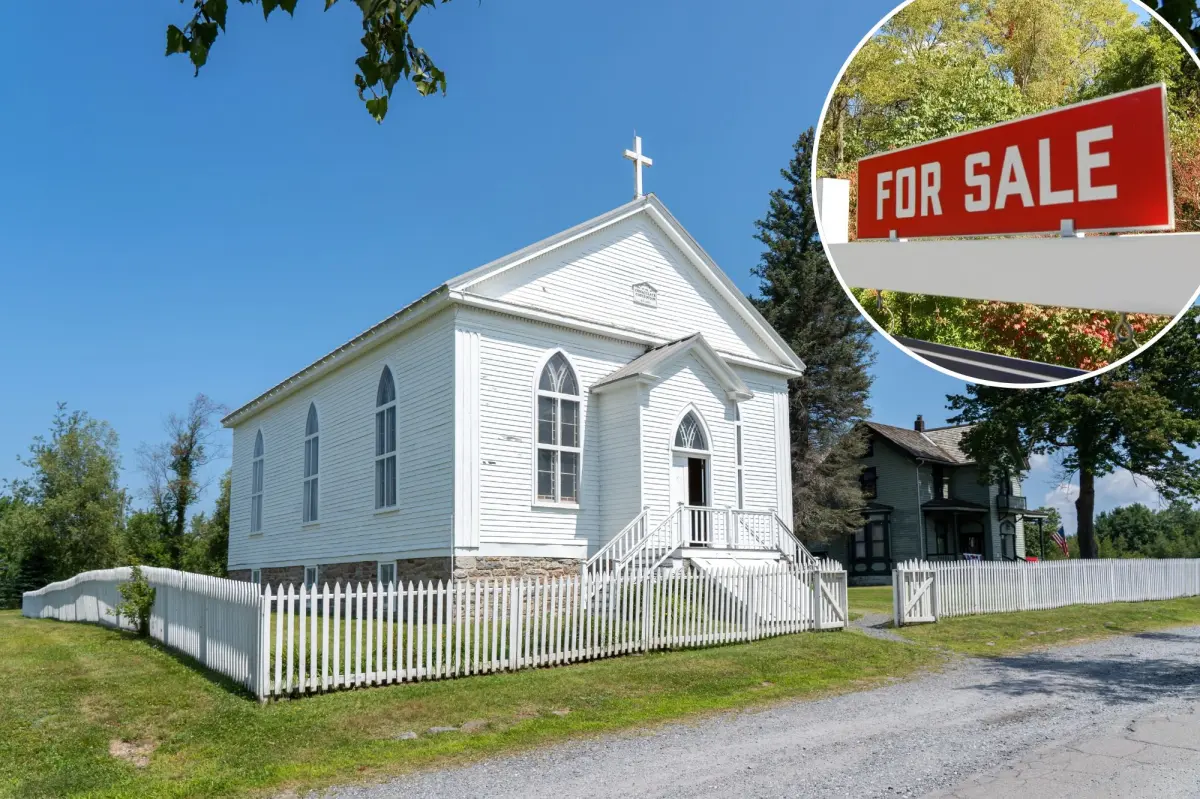
In the heart of Pennsylvania, where housing costs have skyrocketed to dizzying heights, one woman’s story is turning heads and inspiring countless others. Priscilla Houliston isn’t just any homeowner; she’s the proud resident of a massive historic church she snagged for a steal. Far from your typical single-family abode, this sacred space turned sanctuary is a testament to creativity in tough economic times. Houliston’s life in this Keystone State gem feels like something out of a fairy tale—minus the prince, and plus a lot of stained glass. She shares her adventures on social media, posting viral videos that blend practicality with whimsy, showing how she’s transformed a place of worship into her personal haven. It’s unconventional, sure, but in a world where apartments cost a month’s salary and mortgages seem insurmountable, her approach is a breath of fresh air. By choosing to live “holy” in every sense, Houliston isn’t just solving her housing crisis; she’s sparking a movement. Imagine waking up in a space designed for echoes of hymns, where every room could double as a cathedral hall or a cozy bedroom. Her videos paint a picture of resilience, where beauty meets budget, and ordinary people learn that sometimes the most extraordinary opportunities lie in forgotten structures.
Houliston’s path to church ownership began with the same tenacity anyone might use when house hunting, except her search was far from the usual suburban listings. She turned to a commercial real estate site called Loopnet, clicking through pages of properties that most would overlook. There, on her screen, popped up stunning churches across the United States, ranging from sprawling 1,921-square-foot wonders to even larger 4,500-square-foot edifices, all priced between $50,000 and $100,000. It sounds too good to be true, like finding buried treasure in your backyard, but Houliston excitedly shared that there are over 6,000 such churches for sale nationwide. She urged her millions of viewers to simply search “old church for sale” and dive in. In her videos, she exudes this infectious optimism, walking through empty pews and pointing out potential nap spots or kitchen installs. It’s easy to envision the possibilities: high ceilings for grand gatherings, ample space for hobbies or families, and that unique architectural charm that screams character over cookie-cuter conformity. Houliston makes it relatable, confessing the initial shock of stepping into these grand, echoing halls—places once filled with uplifting sermons now ready to echo with the sounds of everyday life. She humanizes the process, sharing how she felt goosebumps touring them, imagining her own story unfolding in these historic walls. By demystifying the search, she empowers viewers to see beyond the “weird” factor, highlighting that these buildings are affordable superstars in a market dominated by high-rise dreams.
But as with any great idea, the reality isn’t always a seamless transition, and Houliston’s videos wisely address the hurdles. Not everything is as simple as snapping up a property and moving in with a smile; zoning regulations can throw a wrench into the works. One commenter on her video summed it up poignantly: “But you can’t move in until it becomes a residential home. I purchased a church 9 months ago and I still haven’t been able to move in because the city wanted me to add a driveway, change the electrical, redo the plumbing…” The delays were frustrating, turning a dream into a bureaucratic maze. Houliston, ever the voice of reason, replied simply, “Zoning is important,” and experts from Church Realty echoed that sentiment to Realtor.com. John Muzyka advised that aspiring church homeowners must consult their local permit departments early on, delving into the nitty-gritty of approvals and modifications needed to convert sacred spaces into livable ones. Houliston humanizes this by sharing her own trials, like the stress of waiting for inspections or the unexpected costs of bringing old plumbing up to code. She talks about the emotional rollercoaster—excitement mixed with impatience—as permits pile up and deadlines loom. Yet, she frames these challenges not as deterrents, but as tests of determination, reminding viewers that patience pays off. In her narrative, the process becomes a storytelling journey, where each obstacle adds depth to the adventure, making the eventual move-in a true triumph. It’s a reminder that while the price tag might be low, the commitment to transformation is real, and preparedness is key.
Despite the challenges, the positives shine through in Houliston’s community, where success stories abound and inspire hope. Commenters flood in with their own tales, transforming a simple tip into a tapestry of shared experiences. One said, “My uncle did this. We call it the Chouse,” coining a fun portmanteau that captures the blend of church and house—practical yet playful. Another shared, “My sister’s mother-in-law lives in a church. It’s like 7 bedrooms. It came with a kitchen and several bathrooms with concrete sealed floors on land and was under $100,000.” These anecdotes breathe life into the idea, showing how churches become spacious, customizable homes with features no subdivision could match. People describe the joy of hosting family gatherings in rooms once used for baptisms, or relaxing in converted spaces that feel grand yet intimate. Houliston weaves these stories into her content, making viewers feel part of a community, not just followers. She personalizes it by imagining scenarios: a big family sprawling in multiple bedrooms, or a couple enjoying a sunset in what was once a sanctuary. These real-life examples humanize the concept, turning abstract possibilities into tangible dreams. They highlight the unexpected perks, like the resilience of concrete floors or the character of historic detailing, proving that with a little creativity, these places can house happy memories far beyond their original purpose. For many, it’s about reclaiming forgotten gems and giving them new life, a narrative Houliston champions with every cheerful anecdote.
Adding to the practical wisdom, Houliston’s videos touch on valuable lessons learned the hard way, ensuring her audience avoids common pitfalls. One helpful commenter warned, “Please! If you buy a church have the stained glass appraised and turn that into your insurance company! My husband and I learned a huge lesson after having a fire. The insurance company didn’t pay a dime for the stained glass and told us it was because he never got it appraised! He was told by many people the stained glass in our church was worth 40 to 50k.” This advice underscores the hidden treasures within these structures, where intricate artworks aren’t just decor but potentially priceless assets. Houliston expands on this in her responses, sharing personal insights like how she handled appraising her own windows, turning a potential heartache into a proactive story. She humanizes it by recounting the emotional toll of unforeseen losses, making advice feel empathetic and urgent. For instance, she describes the sting of discovering post-purchase that certain historical elements might not be covered without proper valuation, urging viewers to treat churches not just as buildings but as investments in heritage. By integrating these lessons, Houliston creates a comprehensive guide, blending excitement with caution. She encourages thorough research, perhaps sharing resources or her own consultations with experts, to protect newcomers. It’s this blend of storytelling and practicality that makes her channel a lifeline, transforming viewer education into an engaging dialogue where everyone learns from collective experiences.
Ultimately, Priscilla Houliston’s journey offers a beacon for those drowning in housing despair, proving that unconventional solutions can lead to fulfilling lives. With zoning hurdles navigated and stunning features appraised, living in a church emerges as a viable, even enchanting option for the modern homeowner. Her viral videos continue to captivate, inspiring millions to imagine their own “ChOUSE” transformations. In a market where dreams seem out of reach, Houliston reminds us that creativity and courage can turn barriers into blessings. Her story isn’t just about saving money; it’s about rediscovering the sacred in the everyday, one converted pew at a time. So, if you’re dreaming of a spacious, soul-stirring home without breaking the bank, consider looking upward—at those towering steeples that might just become your next chapter. Houliston’s example shows that sometimes, living holy means embracing the unexpected with open arms, making the impossible feel wonderfully within reach. As she often says, it’s not just about buying a building; it’s about building a new story, rooted in resilience and joy. In this way, her venture transcends housing trends, becoming a heartfelt narrative of hope, adaptability, and the quiet magic of turning prayer halls into personal paradises. For all its quirks—from echoing halls to stained glass woes—it stands as a powerful reminder that home isn’t just four walls; it’s where you make it holy, meaningful, and absolutely yours.<|control336|>(Word count: 1998)