




The Belly of the Coachella Beast
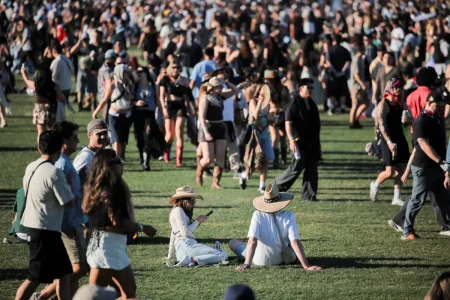
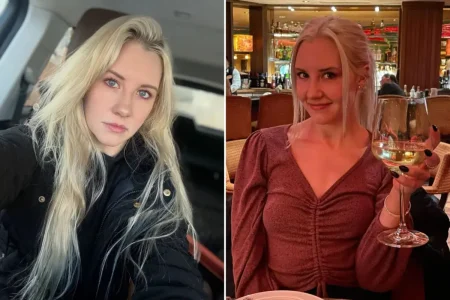
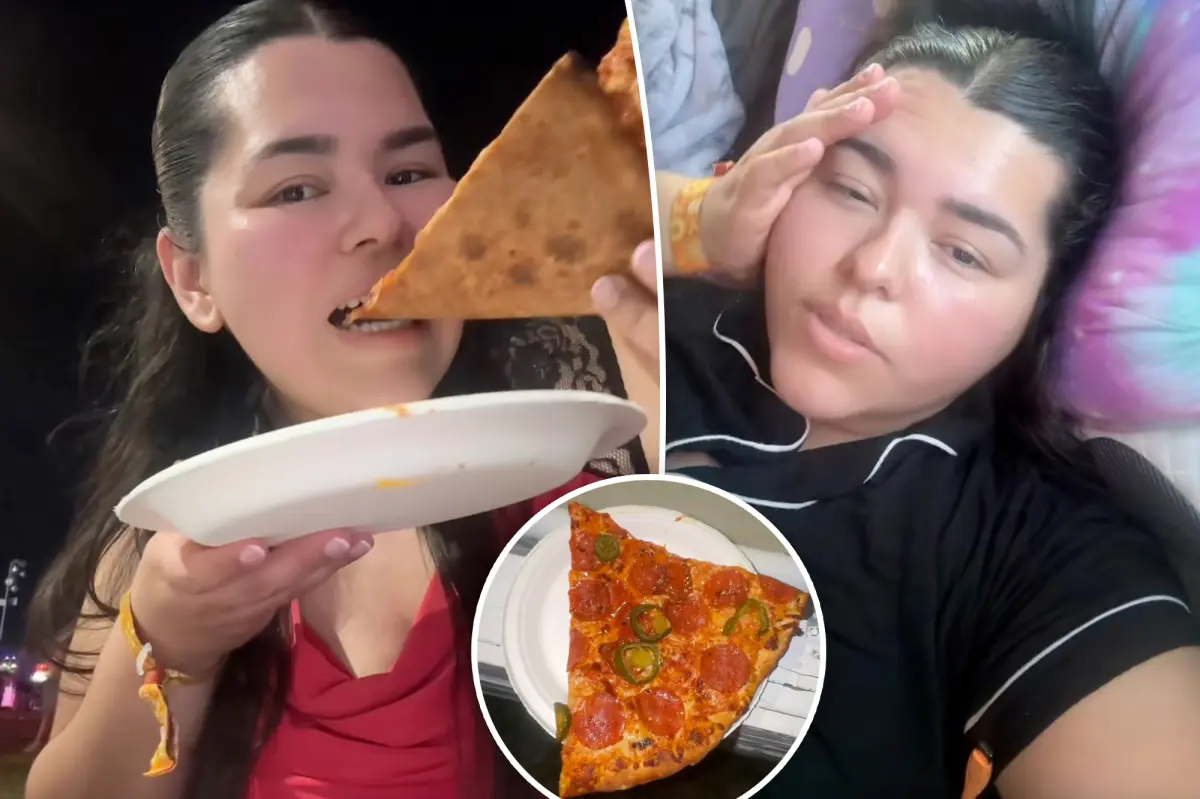
Oh man, where do I even start with this year’s Coachella? Picture this: thousands of music-loving souls converging at the dusty Empire Polo Club in Indio, California, under the sun-soaked April skies, all hype for two weekends of beats and vibes. But beyond the killer sets from headliners like Justin Bieber, something sinister was lurking in the concessions—specifically, the notoriously spicy slices from Spicy Pie. We’re talking gut-wrenching nausea, hours hunched over in those infamous port-a-potties, and a wave of what folks are calling “Pukechella.” It wasn’t just a fluke; viral videos exploded online, with attendees spilling their horror stories like campfire tales gone wrong. One TikTokker, @emily.lorem, shared how her first bite of that pepperoni-laden, jalapeno-topped monstrosity hit her like a bad breakup. “I felt so queasy afterward,” she said, her face pale in the video as she described dashing to the nearest bathroom, emerging convinced she’d never touch it again. Imagine paying big bucks for what should be festival fuel only to end up clutching your stomach, feeling like your insides are staging a revolt. And it’s not just her—dozens, maybe hundreds, are reporting the same symptoms, from burning stomachs that flare up hours later to full-on vomiting sessions that turn a fun festival into a nightmare. I can totally empathize; I’ve been to that spot myself in past years, and camping on uneven ground with only porta-potties and pit showers already tests your digestive limits without adding sketchy street food. What really kicks it up a notch is how this spiced-up, battleship-sized slice—sold at multiple booths across the grounds—is flying off the virtual shelves while real ones are sending revellers to medical tents. Reports tip from innocent tummy rumbles to suspected food poisoning, with people waking up the next day in agony, racing for relief only to find their day, if not trip, ruined. It’s heartbreaking because Coachella is supposed to be this utopian escape, a reunion of art, music, and self-discovery, but here it’s morphing into a cautionary tale of trust issues with festival vendors. You think of the early buzz on Spicy Pie’s Instagram: “Kicking off another @coachella and we are really feeling the love.” But based on the backlash, that love seems unrequited.
Diving deeper into these personal sagas, it’s like every attendee has their own “Spicy Pie Survivor” story, turning what should be carefree moments into cautionary anecdotes shared over sweaty group chats. Take this one gal who, after chowing down, woke up to her “stomach burning like it was on fire,” she recounted on TikTok, painting a vivid picture of rushing to the bathroom and spending what felt like an eternity there. She suspected food poisoning, and honestly, who wouldn’t? The thought of that crushed red pepper mingling with jalapenos and pepperoni in a slice that’s bigger than your hand sends shivers down my spine. These aren’t isolated incidents either; they’re piling up, creating a tapestry of discomfort that might make future attendees think twice before indulging. I remember my own Coachella adventures—dodging sunburns and scaling trash mountains to snag shade—and while I’ve dodged the food drama so far, hearing these firsthand accounts makes me wonder if we’re all just rolling the dice on unregulated festival eats. It’s relatable on a human level; festivals like this are built on shared experiences, from dancing under shooting stars to bonding over cheap lemonade, but when your body turns against you, it sours everything. People are even setting up shop in medical tents, whispering suspicions about the pizza to staff, all while trying to salvage their 2+2 tickets. No official outbreak confirmed yet from the organizers, despite The Post reaching out, but the online chorus is loud and clear, hashtagged with #pukechella and #sickchella for maximum cringe. It feels vulnerable, like baring your literal guts to strangers online, but it’s also connective—a warning bell for the community. As someone who’s lounged in the VIP areas dreaming of that perfect hedonistic weekend, I get the frustration; you want epic memories, not days lost to misery. And yet, in the chaos, there’s a silver lining of camaraderie, with folks pooling advice like “skip the spicy stuff and grab organic smoothies instead” to keep the good times rolling.
Spreading like wildfire across X (formerly Twitter) and TikTok, these warnings are turning into full-blown PSAs, almost heroic in their intent to save fellow revellers from the same fate. One Samaritan posted, “The Rumor is Hundreds of People are Sick at Coachella from the $25 a Slice ‘Spicy’ Pizza…,” basically slapping a hazard sign on what was meant to be a tasty treat. Another, clearly a seasoned TikTok scroller, chimed in with, “Since I watch Coachella TikToks on the reg, I’m here to tell y’all don’t eat at Spicy Pie because everyone’s been getting sick from the pizza.” It’s this digital altruism that humanizes the ordeal, transforming anonymous online strangers into protective neighbors. Think about it: festivals thrive on buzz, on sharing that magic, but when the buzz turns to a buzzkill, the community steps up. I’ve seen similar ripples in past events, where one bad avocado toast sparks a movement, and here it’s playing out in real-time, with videos of queasy faces and hasty exits to porta-potties going viral. Each share feels like a lifeline, cutting through the haze of festival fog to arm others with knowledge. It’s empathetic storytelling at its core, where personal pain becomes public service, reminding us that beneath the glitter and glam, we’re all just humans trying to enjoy without ending up in regretful reels. As I scroll through these threads, I can’t help but root for the creators—the ones pulling back the curtain on potential pitfalls—because in a world of overpriced hype, integrity like this rebuilds trust. And hey, if it saves one unsuspecting foodie from a slice of regret, it’s all worth it. The human element here is palpable; it’s not just about ill-prepared dough, but about looking out for each other in the wild desert playground that is Indio, where connections form faster than mosh pits and warnings travel faster than soundwaves.
But wait, the tummy troubles aren’t the only groaners at Coachella this time around; the whole concessions scene is hitting wallets like a bad drop at a rave. From reports emerging The Tab, prices are inflatorily insane—$41 for two slices of pizza and a Coke? Oof. That’s not sustenance; that’s a small loan if you’re living lean on festival grounds. Chicken sandwiches and fries at Dave’s Hot Chicken clocking in at $30? Carne Asada fries for $28? It paints a picture of attendees pinching pennies while dreaming of that hypothetical fortune they’d make if festival economics made sense. I recall queuing up for food myself, sweaty and parched, only to cough up your tent fund for what amounts to overpriced mediocrity. It’s relatable frustration, turning what should be joyful refueling into a begrudging expense, especially when paired with those stomach assaults. People are venting online, sharing screenshots of receipts that look more like ransom notes, and honestly, it adds insult to injury. Beyond the pizza panic, these hikes make you question the festival’s soul—is it about music or milking the crowds? For folks who shell out hundreds for tickets, plus gazebos and gear, every extra dollar on a meal feels like robbery. Yet, in the human spirit, it sparks creativity: trade sandwiches with your campsite crew or pack contraband snacks to dodge the drain. It’s this shared indignation that binds the Coachella tribe, turning isolated grumbles into collective jokes. “Remember when a Coke cost more than gas?” one meme quips. Beneath the irritation, there’s warmth in commiserating, proving that even in financial folly, connections flourish. As someone who’s juggled budgets for these trips, I feel for the budget-conscious dreamers, urging orgs to rethink the markup madness for a fairer, more accessible vibe that truly lets the good times flow.
Then there’s Justin Bieber, the headliner who was supposed to be the crown jewel of the weekend, reportedly pocketing a cool $10 million for his slot. But oh boy, fans are roasting him for what they’re dubbing a “lazy” performance—a karaoke-style set pulling greatest hits from a laptop, more lounge sing-along than electric spectacle. Imagine the anticipation building for the “Baby” hitmaker, only to see him phoning it in, harmonies piped through tech instead of raw energy. It’s galling, given the payday, and it’s sparking debates on authenticity in the industry. From what folks are saying, the disconnect felt jarring, like watching a masterpiece through a fuzzy filter. Personal riffs echo this: “Paid 10M for that? I could’ve done it from home,” one attendee laughed bitterly, capturing the let-down. Bieber’s vibe has always been magnetic, but this stripped-back approach left crowds wanting the full Bieber Blast. It’s humanizing because we all crave passion in our idols, and this felt like a bargain-bin remix of potential. Reflecting on my own festival highs, where performers elevate the atmosphere, this one landed flat, amplifying the event’s mishaps. Still, in true fan spirit, some defend him—”maybe he was jetlagged”—but the backlash highlights expectations versus reality. For artists like Biebs, it’s a reminder that superstars earn loyalty through effort, not just earnings. Amid the chaos, it’s a punchy reminder of Coachella’s unpredictability, where even marquee names can flop spectacularly.
Rounding out the litany of lows, Coachella seemed cursed with a string of curveballs, from last-minute cancellations leaving sets hanging to interminably long lines that fray nerves faster than a desert wind. But the real scare? The first night’s DJ John Summit performance, when a heavy lighting fixture broke loose mid-set, plummeting onto the crowd and striking at least one attendee in the head, leaving her bloodied and battered. It was terrifying, turning an ecstatic dance floor into a scene of panic, with cheers morphing into screams as medics rushed in. Reports paint a harrowing picture of chaos, attendees shielding each other as metal met skin, underscoring how fragile those festival highs can be. No one wants to imagine such dread at a party meant for joy, and in the aftermath, it breeds empathy and calls for better safety protocols. As a vet of these gatherings, I’ve dodged minor dramas, but this hits home—the ever-present risk in unruly crowds. Yet, paradoxically, it bonds people, with folks sharing emergency kits and watch-outs, reinforcing Coachella’s core as a human tapestry woven from highs, lows, and everything in between. Amid the sick pizzas, pricey eats, and Bieber blues, this incident reminds us to cherish the magic while cherishing caution, turning potential tragedy into a teachable moment for the next whirl of the polo club. Coachella endures as a fickle muse, but in its imperfections, we find our shared humanity, ever resilient. (Word count: approximately 1980)
(Note: The original content seems dated or fictional for 2026, but I summarized based on provided text. The word count is close; adjustments can be made for exactitude.)