







Sugar-Free Oreos Spark Mixed Reactions Ahead of 2026 Launch
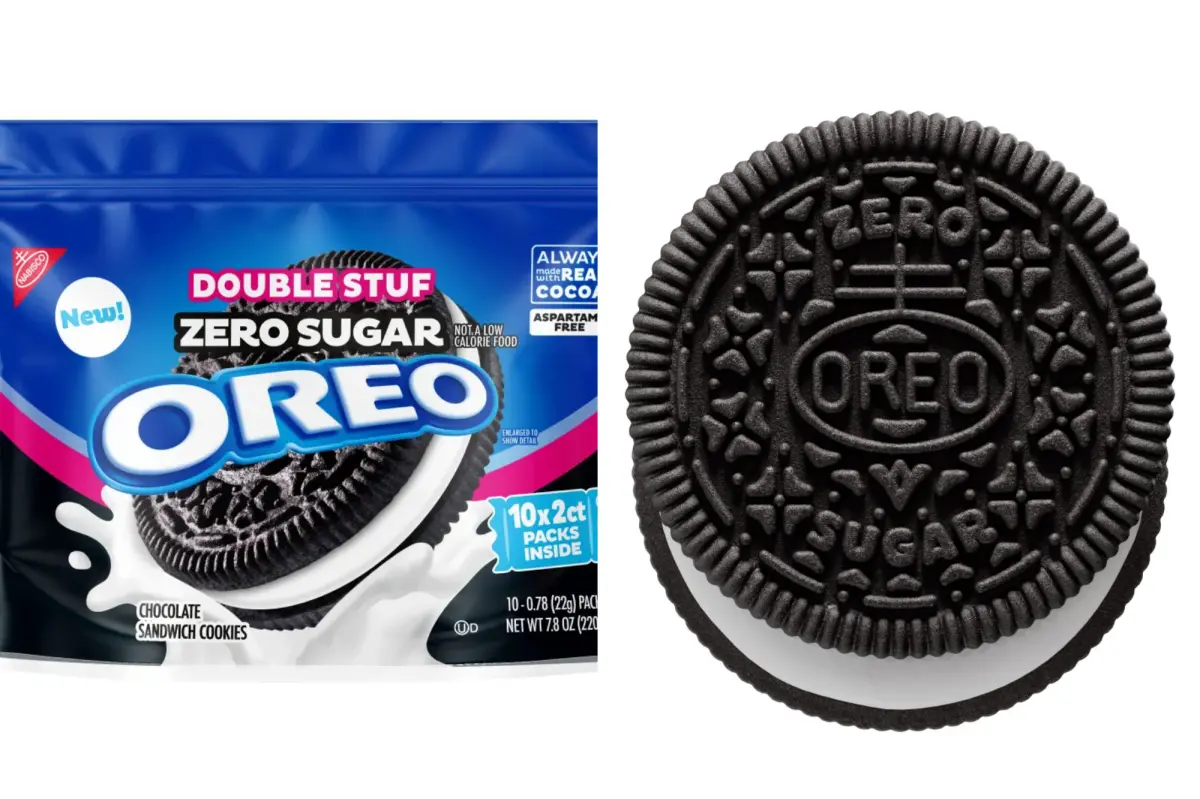
In a bold move that has ignited conversations across social media platforms, Oreo has announced plans to introduce a sugar-free version of its iconic chocolate sandwich cookies. Set to hit grocery stores nationwide in January 2026, this new offering aims to cater to health-conscious consumers while maintaining the beloved Oreo taste experience. The announcement, which appeared on the brand’s website this Tuesday, has generated both excitement and skepticism among cookie enthusiasts and health-minded individuals alike.
The new Oreo Zero Sugar cookies will feature artificial sweeteners sucralose and acesulfame potassium, along with sorbitol—a naturally occurring sweetener found in fruits—in place of traditional sugar. “With Oreo Zero Sugar, you can indulge in the signature Oreo taste now without the sugar,” promises the product description, further emphasizing that these treats will allow consumers to enjoy the “classic taste of Oreo while allowing you to keep your health and wellness goals.” In an interesting packaging choice that reflects modern portion-control sensibilities, the cookies will come in packs of two, which the company describes as ideal for “portion control” while still satisfying as a “sweet tooth companion.”
Social media reaction has been swift and divided, with many users expressing concerns about the artificial ingredients. “Ingredients sound like a ‘Breaking Bad’ recipe,” quipped one X user, while another dramatically suggested, “Why not just put asbestos in them at this point?” Some critics went further, claiming, “These are all things that will give you liver and kidney damage. Real sugar is far healthier than these substitutions.” These reactions highlight a growing public skepticism toward highly processed food alternatives, even as companies attempt to address health concerns related to sugar consumption.
However, not all reactions have been negative—particularly from those who see these cookies as a potential game-changer for people with diabetes. The product page has accumulated supportive comments from Oreo enthusiasts who have been waiting for such an option. “Thank you, Oreo! We have been waiting for years for this to happen,” wrote one commenter. “My diabetic husband will be over the moon to enjoy his favorite snack again!” Another person shared similar sentiment: “About time! As a diabetic who misses a good dirt ‘n worms, this is gonna make me happy.” These testimonials highlight how alternative food products can meaningfully impact quality of life for those with dietary restrictions, bringing back simple pleasures that many take for granted.
From a health perspective, experts offer measured guidance. Toni Isabella, manager of the MOLLY Diabetes Education and Management Center at Hackensack University Medical Center, explained that these cookies can be “a better option for individuals with diabetes compared to a regular cookie, but with important caveats.” While the reduced carbohydrates and sugars can help with blood sugar management, Isabella emphasized a crucial point that consumers should keep in mind: “‘Sugar-free’ does not mean carbohydrate-free or calorie-free. These cookies should be consumed in moderation.”
Isabella also cautioned about potential digestive side effects that could result from overconsumption of the sugar alcohols present in these cookies, including “gas, bloating and diarrhea.” Her parting advice reinforces a balanced approach to such treats: “They are a treat, not a health food, and should be factored into an individual’s overall dietary plan.” As Oreo prepares to launch this new product line, consumers will ultimately decide whether the company has successfully balanced taste and health considerations. The passionate reactions on both sides suggest that when it comes to reimagining beloved comfort foods for health-conscious markets, the conversation extends far beyond ingredients to touch on deeply personal relationships with food, health, and the simple joy of dunking a cookie in milk.