





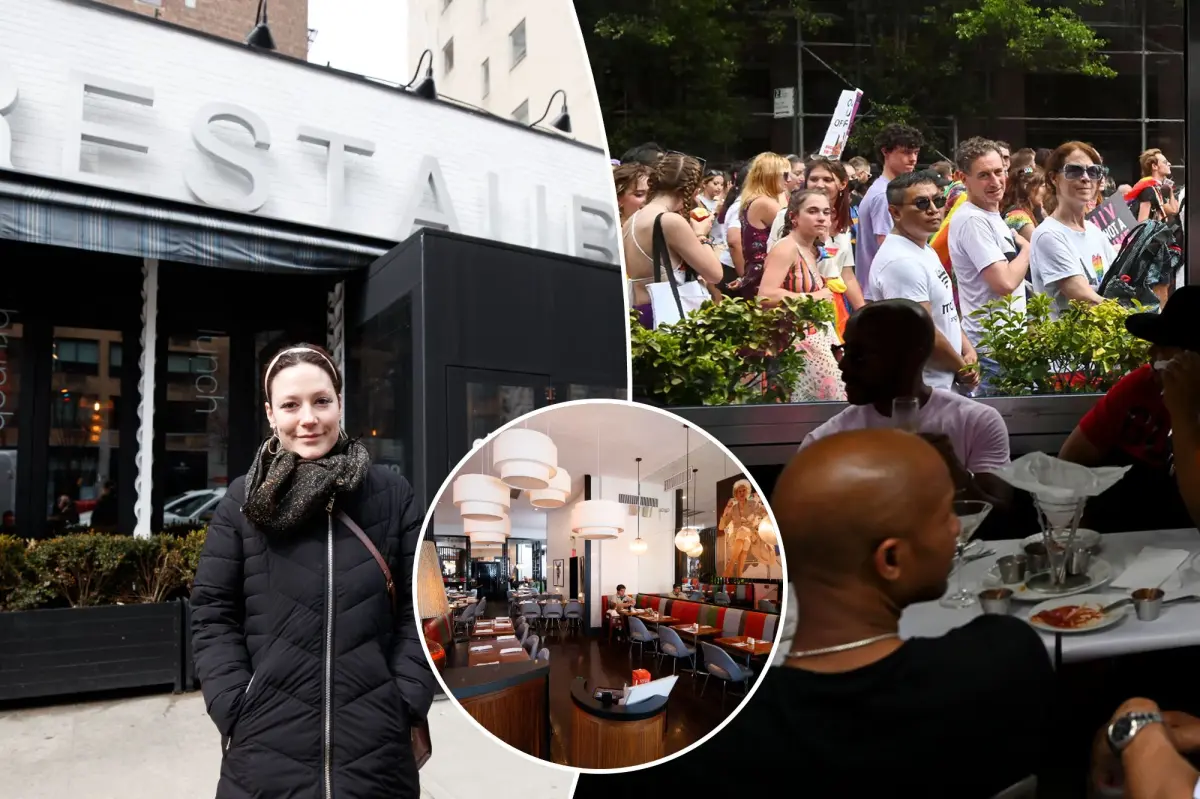
The End of an Era in Chelsea: Saying Goodbye to Elmo
Imagine walking into a cozy diner on a chilly New York evening, where the air is filled with the scent of garlic and laughter, and every seat feels like a hug from an old friend. That’s what Elmo Restaurant was for so many in Chelsea—the heart of Manhattan’s gay community. For 25 years, this iconic spot has been more than just a place to eat; it’s been a sanctuary, a party hub, and a home for countless stories. But now, it’s closing after founder Bob Pontarelli announced on Instagram that its final meal will be on March 13. The building, their home for all those years, has been sold to make way for a residential condo. It’s bittersweet, you know? Places like this don’t just disappear; they leave a void in the community, reminding us of the magic of gathering in a space that felt alive and loving. I think back to my own memories—wait, not mine personally, but hearing from folks who’ve shared theirs. One guy told me he proposed at Elmo, and another hosted drag shows that lit up the room like fireworks. It wasn’t fancy; it was real, with diner-style comfort and a vibe that said, “You’re family here.” Bob himself reflected on how it’s been a destination for life’s big moments—Pride celebrations, weddings, even memorials. He wrote about late-night dinners turning into lifelong friendships among staff and guests alike. People aren’t just losing a restaurant; they’re grieving a piece of history. If walls could talk, Elmo’s would whisper tales of first dates, political fundraisers, and quiet nights with friends. It’s a reminder that in a city that never sleeps, places like this help us slow down and connect. As Bob put it, “It’s been a place for important celebrations and fabulous parties….or simply a place to gather comfortably with members of your community at a home away from home.” And now, with the lease ending, that home is packing up. It’s sad, but it’s also a chance to honor what it built. Chelsea in the early 2000s was the pulsing heart of queer New York, and Elmo stepped in as that unofficial clubhouse, welcoming everyone with open arms. It’s the kind of spot that made the neighborhood feel like a village, not just a zip code. I can picture the first days: Bob and his late partner Stephen Heighton, along with Bruce Hermann, spending nearly two years to snag the spot on Seventh Avenue. They turned it into a neighborhood hangout with a living room feel—booths for lingering, corners for quiet talks. It thrived through highs and lows, becoming an institution where queer folks could show up as themselves, confidently and visibly. Elmo survived Hurricane Sandy, blackouts, snowstorms—hell, even COVID by turning the downstairs into a speakeasy called the Coby Club. That resilience is inspiring; it shows how a restaurant can adapt and keep the party going. Bob said it best in an interview: “We’ve enjoyed so many proud moments I lost count a long time ago.” It’s a legacy of community spirit. Now, as it closes, Pontarelli is looking forward to new ventures and philanthropy, embracing the memories like a warm goodbye hug. Owning a restaurant in NYC is a wild ride—challenging, exciting, and full of honor. After 25 years, that’s a hell of an achievement. And for Chelsea, it’s not just closing; it’s the end of one of the last gay staples, as the New York Times noted in 2021. You feel the loss, right? It’s like losing a friend who knew your secrets. The community is mourning, and it’s palpable. Yet, in the sadness, there’s also gratitude for what was built—a space where love and authenticity reigned. I think about the man who goes every Wednesday for his dirty martini, sharing Stonewall stories, or the familiar faces that made it feel like home, not a tourist trap. That’s what makes New York special: these pockets of genuine connection amid the hustle. Chelsea resident Sarah Leonard, 38, feels it deeply—she’s been going for eight years. She calls it a haven, even as a non-gay woman, loving the warm, loving energy. “It’s places like Elmo,” she told The Post, that make the neighborhood unique. Losing it to condos feels like erasing personality, turning Chelsea into a sterile puzzle piece. “We’re just turning into some bad version of a Pixar movie,” she joked, “where everything just feels so mechanical and devoid of personality.” It’s heartbreaking, especially coming after another Pontarelli spot, Barracuda Lounge, closed in early March. Sure, we need housing, but at what cost? These spots are what give a place soul. Leonard shares her stumbles moments: seeing regulars, hearing tales of the past, feeling like part of a family. It’s not just food; it’s history on a plate. Elmo wasn’t perfect—restaurants never are—but it was authentic, filled with love and quirks. And now, as it bids farewell, the community’s voices rise in tribute.
Reflecting on Resilience and Community Bonds
Diving deeper into Elmo’s story, it’s like a novel where the characters are real people living their lives. Founded in 2001, Elmo didn’t just open; it blossomed from dream to reality. Bob Pontarelli and his team faced hurdles—nearly two years to secure the Seventh Avenue space, building it step by step into a diner-style haven. Picture this: early days with the buzz of Chelsea’s gay scene, folks flocking in for comfort food and company. It wasn’t elite cuisine; it was hearty meals that fueled celebrations. Through it all, from daily crowds to special events, Elmo became a symbol of resilience. Hurricane Sandy hit New York hard—blackouts, floods, the works—and yet, the restaurant bounced back, lights flickering on again to welcome diners. Blackouts and snowstorms didn’t deter them; they kept doors open, serving as a lifeline. Then COVID came, uninvited, but Elmo adapted with flair, launching the Coby Club downstairs—a secret speakeasy for post-dinner vibes, cocktails and chatter in a tucked-away world. Survival isn’t just about stubbornness; it’s about creativity and heart. Bob shared in his reflections that they’ve weathered so much, enjoying “proud moments” he lost count of. Imagine the elation of hosting pride parades, or the quiet joy of a simple gathering that turns epic. These moments build a narrative of triumph, showing how a queer-owned space can stand tall against odds. But the founding grief hits too—the late Stephen Heighton, Bob’s partner and best friend, who poured soul into the venture. Bruce Hermann, too, shaping early days. Their loss echoes in the warmth Elmo carried forward. It’s a testament to queer entrepreneurship: building havens amid challenges. In New York, owning a restaurant is like taming a wild beast—exciting, exhausting, exhilarating. For 25 years, Elmo did it right, honoring its history while evolving. The Coby Club during lockdown? Genius invention, turning closure into connection. Folks danced, shared stories, kept the spirit alive. Resilience like that humanizes the struggle; it’s not just business, it’s pure passion. Pontarelli’s words resonate: “There are few businesses as challenging or as exciting as owning a restaurant in New York City. 25 years is a very long time.” It’s gratitude wrapped in nostalgia. Now, with new ventures on the horizon, Bob moves forward, carrying Elmo’s essence into philanthropy and innovation. The ride was exhilarating, a privilege. For guests, it was transformative. Chelsea’s heart, once beating loud, feels quieter, but the memories pulse on. Elmo taught us that spaces like this aren’t replaceable; they’re irreplaceable. In a world of fleeting trends, it stood firm, reminding us of the power of community to endure. Losing it stings, but celebrating its run heals a bit. Think of the staff friendships forged—lifelong bonds from shifts and shared dreams. Or the patrons: queer newcomers feeling seen for the first time. Resilience shines through human stories, like a lighthouse in the storm.
Elmo’s Role as a Beacon of Inclusivity and Joy
If Elmo were a person, it would be the welcoming aunt who throws the best parties and listens to your woes over pie. This restaurant wasn’t just about meals; it was about belonging. Chelsea’s gay pulse in the 2000s needed a clubhouse, and Elmo delivered—an unofficial hub where queer New Yorkers entered visibly, confidently, embraced. Time Out called it that, and it’s spot on. Birthdays? Elmo hosted them with flair. Pride? It turned into a parade headquarters. Weddings between guests or staff? Countless, joyous affairs. Memorials? Dignified gatherings of remembrance. Political fundraisers? Platform for change. It was a first-date spot, a friend hangout, a celebration arena. The living room feel—diner booths, warm lighting, familiar faces—made it a home away from home. People didn’t just dine; they connected, built friendships, found community. Bob Pontarelli reminisced in his post: “Elmo has always been a space for hundreds of staff to build lifelong friendships.” And for patrons, it was the same. Sarah Leonard, that 38-year-old Chelsea resident, captures it perfectly: “It’s such a go-to place… a haven for people in the gay community.” Her eight years there built a routine, a sense of familiarity. Every visit, seeing the regulars—like the guy with Wednesday dirty martinis, reliving Stonewall tales. It’s those details that humanize a place, making it more than bricks and tables. Elmo’s inclusivity extended beyond the LGBTQ+ crowd; it drew outsiders, fostering a warm, loving vibe. Chelsea’s uniqueness thrives on such spots, blending communities into a tapestry. Without them, the neighborhood risks homogenization, Sarah frets, turning into a “mechanical” version of itself—no personality, just condos rising. But Elmo had love in spades. Drag shows, fabulous parties, quiet dinners—they weren’t events; they were experiences. Human moments bloomed here: couples celebrating anniversaries, families mourning losses together, friends laughing till dawn. It was a safe space in a big, sometimes harsh city. For newcomers, it was an entryway to acceptance. Queer history in Chelsea? Elmo embodies it, a bridge from past struggles to present pride. Closing it feels like closing a chapter, but the gratitude lingers. Andy Cohen, that Bravo icon, mourned on social media: “Bob, this sucks. What an incredible run.” Fashion designer Peter Som echoed: “The last vestige of old gay Chelsea.” Fans poured out hearts: “Elmo has always been the start or end of so many of my days.” These voices show its impact—human, heartfelt. Elmo wasn’t just a restaurant; it was a catalyst for joy, connection, and self-discovery. In losing it, we mourn the loss of that unforgettable energy. But its spirit endures in memories, urging us to create new spaces of warmth.
Overcoming Adversity: Elmo’s Survival Tale
Life throws curveballs, and Elmo caught them with style. Think about the trials: Hurricane Sandy in 2012 devastated NYC, flooding streets, cutting power—Elmo, smacked in the crosshairs, but reopened, lights ablaze. Blackouts? They handled them, probably with candlelit service or quick fixes. Snowstorms burying the city? Staff shoveled their way in, serving comfort amid chaos. Then COVID hit in 2020, a gut-punch that shuttered venues. But Pontarelli? He innovated, transforming the downstairs into the Coby Club, a speakeasy secret for post-dinner escapes. It wasn’t just survival; it was thriving, offering nightlife when the world felt paused. I imagine the staff brainstorming in empty kitchens: “How do we keep the magic?” Grills went dark upstairs, but downstairs pulsed with cocktails, conversations, resilience. It showed heart in hard times. Bob’s interview with Chelsea Community News highlights this: “They survived COVID ‘with style’ when they launched the Coby Club.” Pride fills those words, and rightly so. Elmo’s 25-year run faced moments of doubt—neighborhood changes, economic shifts—but it endured, becoming iconic. The founding story adds depth: Bob, Stephen Heighton (his late partner and best friend), and Bruce Hermann labored two years for the space. Heighton’s absence in retellings tugs at the heart; his vision shaped it into an institution. Resilience here is human: friendships forged in firefights, joy squeezed from lemons. Staff built lifelong bonds through late-night shifts, surviving storms together. Patrons returned, pledge renewed each visit. Hardships humanize the place, turning challenges into chapters of triumph. Hurricane Sandy’s aftermath? Probably stories of iced-over streets and hot soup served. Blackouts? Flashlight feasts. Snowstorms? Bundled jackets and welcome mats. COVID’s Coby Club? A pandemic party, defying isolation. These aren’t clichés; they’re lived realities. Elmo taught that adversity builds character, community. In a restless city, such places anchor us. Pontarelli’s forward gaze—new ventures, activism—shows resilience continues. Closing isn’t defeat; it’s evolution. Yet, it hurts, like losing a friend who’s seen you through everything. The New York Times’ 2021 piece as “one of the neighborhood’s last-standing gay restaurants” amplifies the loss. Chelsea’s staples dwindle, but Elmo’s legacy inspires. We mourn what was, celebrate what it became: a survivor, a beacon.
Personal Reflections and the Emotional Heartbreak
At its core, Elmo’s closing hits personal chords, stirring tears and fond remembrances. Bob Pontarelli, the man behind it all, lays it bare in his Instagram post: “For nearly 25 years, Elmo has been the destination for hundreds of thousands of guests…” His words ache with nostalgia, blending pride and sorrow. Recalling late-night dinners, birthdays exploding into fun, Pride rallies with rainbow flags, drag shows stealing the spotlight—Elmo hosted it all. Marriages? Yes, between guests and co-workers, vows exchanged in a diner that felt sacred. Memorial services for loved ones, political fundraisers fueling change. It was personal, intimate. “A place for a first date or dinner with friends,” Bob notes, “or simply a place to gather comfortably with members of your community.” Fancy? No. Real? Absolutely. Staff friendships? Lifelong, built from shared grind. Sarah Leonard, that devoted diner, expresses devastation: the old guy Wednesday for his martini, Stonewall stories flowing. “That’s what helps to make New York… feel more like a home and residential place,” she says. Her eight years painted a canvas of familiarity, love watered in dining room dirt. Not gay herself, yet drawn to the warmth, she mourns the personality loss to cond estates. “We’re just turning into some bad version of a Pixar movie,” her quip lands hard—mechanical, devoid. Barracuda Lounge’s recent closure compounds the grief; Pontarelli’s ventures fading. Yet, she treasures the haven. Social media amplifies it: Andy Cohen, sad emoji: “This news is Bad for NYC.” Peter Som: “So many memories.” Fans: “Heartbroken… amazing memories.” One, Wizard of Oz reference: “There’s no place like Elmo.” Another: “Without you, so many of us wouldn’t be who we are.” These aren’t just comments; they’re eulogies. Humanizing the news, they reveal Elmo’s role in shaping identities, forging paths. For queer youth, it was safety. For all, belonging. Pontarelli embraces memories, ventures ahead. “It has been a wonderfully exhilarating ride,” he admits, honor intact. Personal pain—losing Heighton lingers—fuels future dreams. Philanthropy looms, impact brewing. Emotion wells: sadness for ends, gratitude for beginnings. New York Times’ take? Devastating closure. Consistent: Elmo etched in hearts.
Legacy and Farewell: Echoes of Elmo in Chelsea
As Elmo serves its last supper on March 13, the echoes linger, a bittersweet symphony of farewells. This isn’t just a restaurant shuttering; it’s a community spirit pausing, waiting for rebirth. Chelsea, once the gay village epicenter, saw its vibrancy in spots like Elmo—a diner club where authenticity thrummed. Time Out’s unofficial clubhouse label resonates; it confident welcomed all. Founding challenges—two years with partners Heighton and Hermann—crafted a testament to persistence. Through storms, pandemics, they adapted: Coby Club’s secret allure during lockdowns. Resilience defined them, as Bob shared: proud moments untold. Now, closure due to a sold building, condo fate. Sad, yes, but legacy endures in hearts. Sarah Leonard’s lament: personality evaporating, Pixar-esque sterility. Barracuda’s echo adds ache. Yet, memories flourish: martini man, story nights, love-filled gatherings. Social tributes paint affection—Cohen’s sorrow, Som’s gratitude, fans’ heartfelt Oz nods. Elmo wasn’t bricks; it shaped lives, identities, connections. Pontarelli forward: new horizons, philanthropy. Privilege to run it, exhilaration etched. As doors close, gratitude rises. What’s lost? A home. What’s gained? Eternal love. Chelsea adapts, but Elmo’s spirit whispers on, urging warmth amid change. Farewell, dear friend—forever loved. In hugs and martinis, you live. No place quite like it. Thank you, Elmo. The end, but not forgotten.