




Olympic Fashion: Where Sport Meets Style in Milan-Cortina 2026
As the Olympic flame prepares to illuminate northern Italy for the Milan-Cortina 2026 Winter Olympics, a parallel competition unfolds away from the slopes and ice rinks. Fashion brands are engaged in their own high-stakes race, not for medals but for something potentially more valuable: consumer attention and loyalty. This intersection of sport and style has evolved into a sophisticated marketing battlefield where heritage brands and newcomers alike compete for cultural relevance and Gen Z dollars. In Milan—one of the world’s premier fashion capitals—this convergence feels particularly fitting, as the city prepares to showcase not just athletic excellence but Italian design prowess on a global stage.
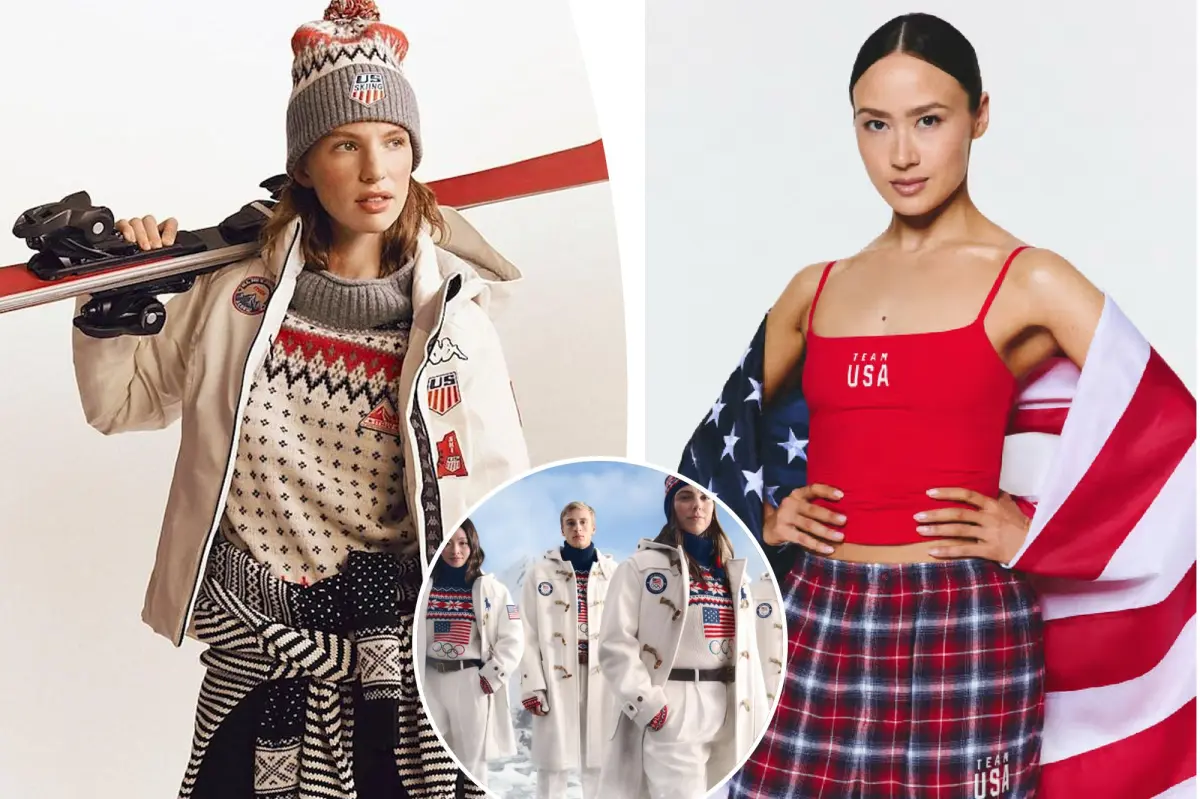
The sartorial storytelling begins with national pride, as teams reveal their official uniforms months before competition begins. EA7 Emporio Armani will dress Team Italy, leveraging home-field advantage to celebrate Italian fashion heritage through performance wear. Meanwhile, Ralph Lauren continues its tradition with Team USA, offering winter-white wool coats with heritage-inspired wooden toggles and American flag turtleneck sweaters that blend classic Americana with contemporary athletic aesthetics. These aren’t mere uniforms; they’re carefully crafted national identity statements designed to resonate with viewers who might never watch a biathlon or curling match but will pause their scroll for a compelling fashion moment. The Olympic runway has become as strategically important as any global fashion week, with designs that must function for elite athletic performance while simultaneously working as aspirational consumer products.
Today’s Olympic marketing strategy extends far beyond the two-week competition window, particularly when targeting younger demographics. Brands recognize that Gen Z viewers engage with the Games differently—they may not watch full broadcasts, but they’ll engage with standout moments shared across social platforms. Lululemon’s ongoing partnership with Team Canada exemplifies this approach, using Olympic visibility to transcend its yoga origins and establish legitimate performance credentials while maintaining its coveted position in everyday wardrobes. Similarly, SKIMS’ collaboration with Team USA doesn’t aim to sell performance gear but rather to normalize intimates and shapewear as essential basics worthy of elite athletes. J.Crew’s collection with U.S. Ski & Snowboard follows this same blueprint, translating elite sport into accessible fashion that can be worn long after the closing ceremony. These strategic partnerships reveal how the Olympics have evolved from a sporting event into a cultural moment that brands can leverage for months or even years of consumer engagement.
The financial investment behind these Olympic fashion plays is substantial, with official sponsorships commanding tens or hundreds of millions of dollars. Yet brands consider this worthwhile for exposure that traditional advertising simply cannot replicate. NBCUniversal has already sold out advertising inventory for Milan-Cortina 2026, indicating strong commercial interest in the Games’ massive viewership. Some brands find creative approaches to Olympic association—Salomon will supply jackets and boots for 18,000 volunteers, effectively creating walking billboards throughout the venues. Meanwhile, Swiss sleepwear brand Dagsmejan’s partnership with the Swiss National Ice Hockey Team reflects evolving definitions of performance, highlighting recovery and sleep as competitive advantages. This wellness angle connects with consumers increasingly interested in holistic approaches to fitness and performance, demonstrating how Olympic marketing has expanded beyond traditional athletic gear into lifestyle categories that support athletic excellence in less obvious ways.
For host city Milan, the fashion element of the Games represents a perfect alignment with the city’s identity and economic ambitions. With Milan-Cortina expected to generate more than €5 billion in economic impact through infrastructure investment, tourism, and destination branding, fashion serves as both cultural ambassador and economic engine. The Games offer Milan an opportunity to reinforce its status as a global design capital while introducing its creative heritage to new audiences worldwide. For participating brands, association with the Olympics means connection not just to athletic excellence but to Italy itself—its craftsmanship traditions, cultural significance, and aspirational lifestyle. This context creates a powerful halo effect that extends well beyond the competition period, particularly valuable in a moment when luxury markets face slowing demand and increasing competition for consumer attention.
As fashion faces industry-wide challenges including shifting consumer preferences, retail transformation, and media fragmentation, the Olympics offer something increasingly precious: sustained mass attention. While viewers may not tune in specifically for the clothes, fashion will inevitably shape how the Games are experienced, shared, and remembered long after the medals are awarded. In Milan-Cortina 2026, we’ll witness the continued evolution of sports marketing as brands leverage athletic achievement to build cultural relevance. From technical innovation to sustainability narratives to inclusive sizing, Olympic fashion tells stories that resonate beyond sport. The brands that succeed will be those that authentically connect performance with purpose, creating moments that feel meaningful rather than merely commercial. As competitors race for gold on the slopes and ice, fashion brands will pursue their own victory—capturing imagination, inspiring desire, and converting Olympic magic into lasting consumer relationships that endure long after the flame is extinguished.