







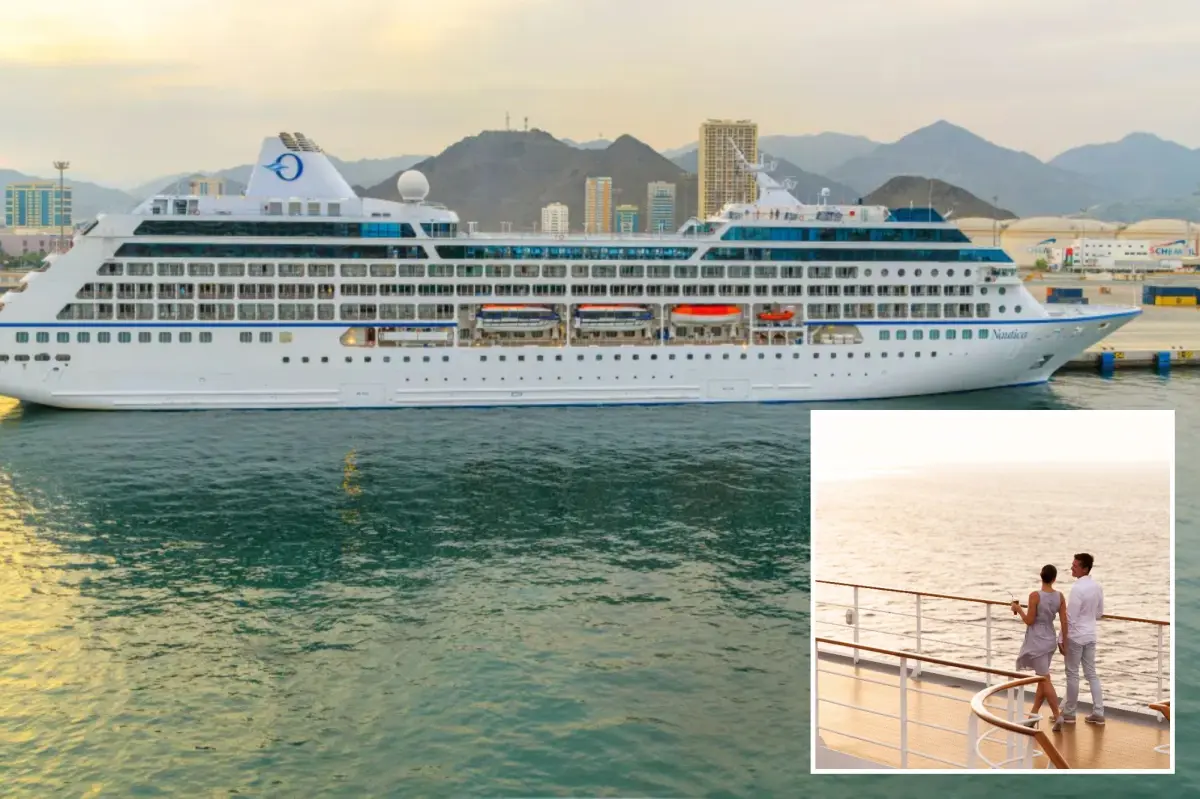
Oceania Cruises Transitions to Adults-Only Experience, Highlighting Industry Trend Toward Tranquility
Oceania Cruises, a Miami-based luxury cruise line operating eight ships across global destinations, has made a significant shift in its business model by announcing it will become an adults-only experience. This change reflects a growing trend in the cruise industry where tranquility and sophisticated experiences are increasingly valued by travelers. The company’s leadership explained that this decision wasn’t a dramatic departure from their current demographic reality; most of their guests are already in their mid-60s, and children have been rare sights on their vessels. “Our guests have consistently shared that the tranquil environment aboard our ships is one of the primary reasons they return time and time again,” stated Jason Montague, chief luxury officer of Oceania Cruises. The transition aims to enhance what they describe as the essential Oceania experience: sophistication, serenity, and discovery.
This strategic repositioning comes with thoughtful implementation. Existing bookings that include passengers under 18 years old will still be honored if they were made before January 7, 2026, giving families adequate time to adjust to the new policy. Nathan Hickman, Chief Commercial Officer, noted that many guests already assumed Oceania was adults-only due to the minimal presence of children on their cruises. “We’re not trying to be all things to all people,” Hickman explained to USA Today, highlighting that the cruise line is simply clarifying its identity rather than changing its target audience. The extent of children’s programming had been humorously limited to “a ping-pong table on the pool deck,” making the formalization of an adults-only policy more of a natural evolution than a revolutionary change.
The adults-only cruise market represents a distinct and growing segment within the larger cruise industry. Only a handful of cruise lines operate completely adults-only experiences, with Virgin Voyages and Viking Cruises being prominent examples alongside Oceania’s new position. This specialization helps Oceania differentiate itself from its sister luxury line, Regent Seven Seas Cruises, which continues to welcome travelers under 18 years old. All three brands—Oceania, Regent Seven Seas, and Norwegian Cruise Line—operate under the Norwegian Cruise Line Holdings corporate umbrella, allowing the parent company to offer distinct experiences across different market segments while maintaining overall market presence.
The appeal of adults-only cruising extends beyond just travelers without children. According to Colleen McDaniel, editor-in-chief of Cruise Critic, these experiences attract a broad audience, including parents seeking occasional respite from family responsibilities. “Sailing with families is a wonderful part of cruising, but our cruisers tell us that sometimes, they’re just looking for a break,” McDaniel told Parade. This sentiment has driven mainstream cruise lines to expand their adult-focused offerings without completely excluding families from their business models. Carnival Cruise Line exemplifies this approach by increasing their adults-only sailings in 2026 through their SEA (Sailings Exclusively for Adults) program, which features special cruises reserved for guests 21 and older with expanded casino access and themed events.
Many cruise lines have developed hybrid approaches that balance family-friendly atmospheres with adult-exclusive spaces. Carnival’s Serenity Deck welcomes guests 21 and older, while Royal Caribbean’s Solarium creates an oasis for passengers typically 16 and older with dedicated pools, hot tubs, and lounging areas. Norwegian Cruise Line similarly designates specific adult-only sections on their ships. Perhaps most interestingly, even Disney Cruise Line—a brand fundamentally associated with family experiences—recognizes the importance of adult relaxation by offering designated adults-only pools, upscale lounges, and fine-dining restaurants separate from children’s spaces. This industry-wide acknowledgment of adult preferences demonstrates the market demand for peaceful, sophisticated environments at sea.
Oceania’s transition to an adults-only cruise line represents more than just a policy change; it reflects a deeper industry recognition that luxury travel often encompasses tranquility, sophistication, and freedom from the energetic but sometimes chaotic presence of younger travelers. By committing to an adults-only environment, Oceania is embracing a clear market position rather than attempting to serve all potential cruisers. In an industry where differentiation is increasingly important, this strategic focus on adult travelers seeking refined experiences aligns with broader luxury travel trends valuing exclusivity, calm atmospheres, and cultivated social environments. As the cruise industry continues evolving, this segmentation between family-friendly and adult-exclusive experiences allows travelers to select the environment that best matches their personal preferences and desired vacation experience.