





The Growing Influencer Dilemma in New York’s Restaurant Scene
In the bustling restaurant landscape of New York City, a concerning trend has emerged that’s putting pressure on food establishments of all sizes. Self-proclaimed “influencers” are increasingly bombarding restaurants with requests for free food and expensive drinks in exchange for social media exposure. While the power of platforms like TikTok and Instagram to drive foot traffic is undeniable—with a recent survey showing that 58% of U.S. TikTok users (approximately 98 million diners) have visited restaurants after seeing them on the platform—the relationship between restaurants and influencers has become fraught with complications and, in some cases, outright scams. Restaurant owners find themselves in a difficult position: they recognize the marketing potential of social media exposure but are increasingly wary of being taken advantage of by opportunistic individuals seeking free meals without delivering promised promotion.
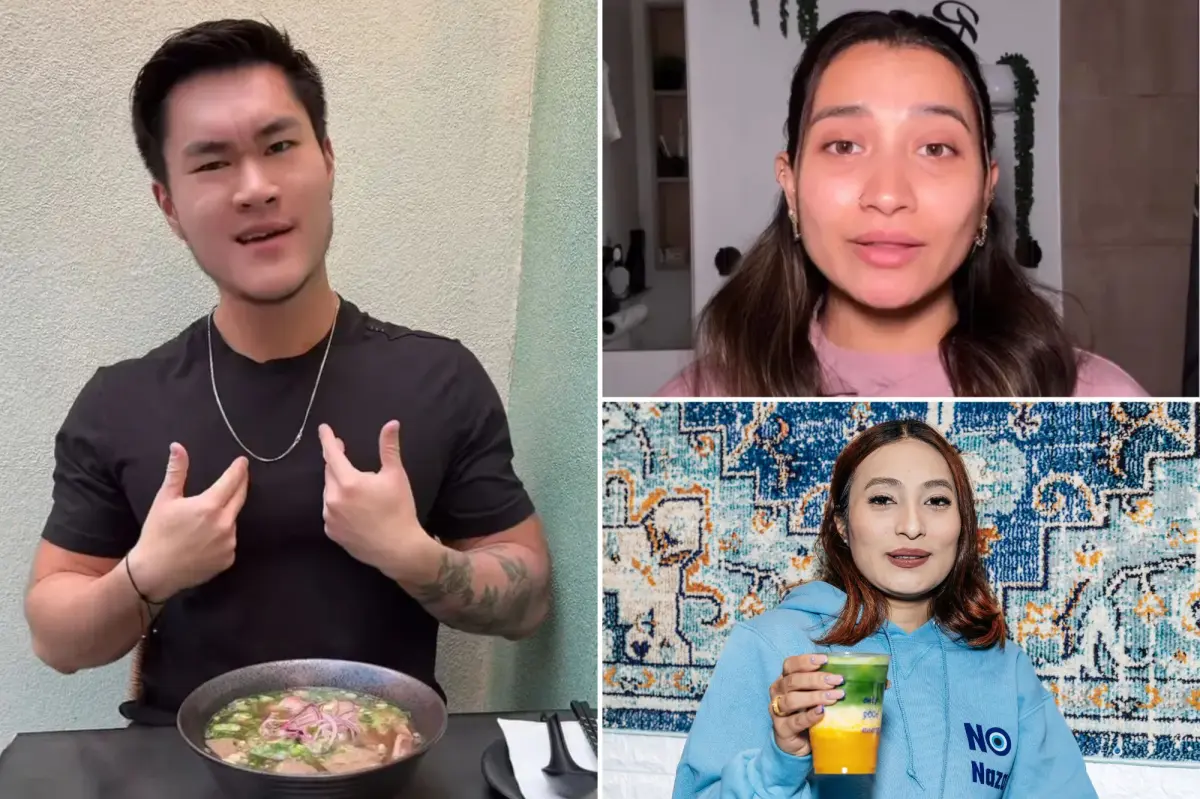
The situation reached a tipping point when wannabe food influencer Pei Chung made headlines after walking out on bills totaling over $4,000 at trendy Williamsburg establishments. Chung, who posed as a food influencer, was eventually arrested eight times in one week for refusing to pay at high-end restaurants including Peter Luger, Francie, and Meadowsweet. Currently held at Rikers Island and awaiting a court-ordered mental health evaluation, Chung’s case represents an extreme example of a problem that’s becoming increasingly common. Even small cafes and coffee shops report being approached by multiple “influencers” daily, many of whom have modest followings yet make substantial demands. As Rupsi Shrestha, owner of No Nazar Cafe in the East Village, pointedly stated: “It’s become a way of getting free stuff from businesses—it’s not free to us.” Unlike professional food critics from established publications who pay for meals and dine anonymously, these self-proclaimed influencers expect complimentary experiences in exchange for posts that may or may not materialize.
The experiences of John Truong, owner of Chef Papa Vietnamese Kitchen in Long Island City, exemplify how these arrangements can go wrong. When approached by Fahmida Sultana, who has around 45,000 followers primarily for beauty content, Truong agreed to provide her with free food in exchange for promotional content. After ordering approximately $200 worth of food (five entrees, two appetizers, and four drinks), Sultana left only a $6 tip and never posted the promised content. It wasn’t until Truong posted a video calling her out months later that she responded—with a negative review that she later deleted. In her defense, Sultana cited “miscommunication and lack of urgency” for the “unfilled collaboration,” but for small business owners like Truong, such experiences feel like scams. The restaurant owner later shared that since posting his video about the incident, his following has grown substantially, and he now receives dozens of legitimate requests from influencers who were sympathetic to his situation and offered to properly review his establishment.
The proliferation of would-be influencers has created a verification challenge for restaurant owners. Stratis Morfogen, who owns Diner 24 in Gramercy, has developed his own vetting system after being scammed multiple times. “When I can identify 80% of their followers, likes, and comments are fake or bought, we won’t engage with them,” Morfogen explained, noting that he frequently receives requests for free meals for up to four guests. His policy is now simple: “We don’t pay for posts.” Other restaurateurs have learned to be more selective about collaborations after bad experiences. Shrestha from No Nazar Cafe, who also had a negative encounter with Sultana, now carefully evaluates potential partnerships. She notes that she’s regularly approached by influencers asking for between $500 to $3,000 just for feature posts—a price point far beyond what her small café can afford. “Businesses like ours need to pay their rent. The coffee is not made by itself. We need the espresso, the milk, the ice, labor,” she emphasized, highlighting the real costs that come with providing “free” products.
The demands from some influencers can be particularly outrageous. At seasonal Greek restaurant Calissa Hamptons in Water Mill, owner James Mallios recalled an incident where an influencer with over 20,000 followers scoffed at a complimentary $60 bottle of Veuve Clicquot and instead demanded a vintage Krug magnum priced over $300. Feeling obligated due to the person’s following, Mallios complied, though he remains uncertain about the actual business impact of the resulting post. During peak summer months, Mallios estimates he receives around 100 requests from influencers, noting that his “eyes gloss over after a few dozen.” Restaurant consultant Jason Kaplan points out a fundamental issue with the current landscape: “Even people with little-to-no following have the same expectation as someone with a big following. It’s a big problem for the industry… Anyone with a phone can become an influencer. It’s the same situation we had in the early days of Yelp. Everybody became a food critic.”
However, taking a hard stance against influencers can also backfire spectacularly. San Francisco chef Luke Sung was “canceled” after confronting influencer Karla Marcotte about her following of 15,000, suggesting it wasn’t substantial enough to warrant free food—unaware that his business partner had already arranged for her to dine. Marcotte’s viral account of the interaction generated enormous backlash, ultimately leading to the closure of Sung’s wine bar, Kis Café. This cautionary tale highlights the complex dynamics at play and the potential consequences of mishandling influencer relations. As the relationship between restaurants and social media continues to evolve, Kaplan emphasizes an important distinction for diners to keep in mind: “The hope is you have a food critic that actually knows food. The problem is many of these influencers are not consistent… Anyone that reviews food needs to have an expertise.” In an era where anyone can create beautifully filmed content, distinguishing between genuine expertise and opportunism becomes increasingly important—both for restaurants evaluating partnership requests and for diners deciding where to eat based on social media recommendations.