






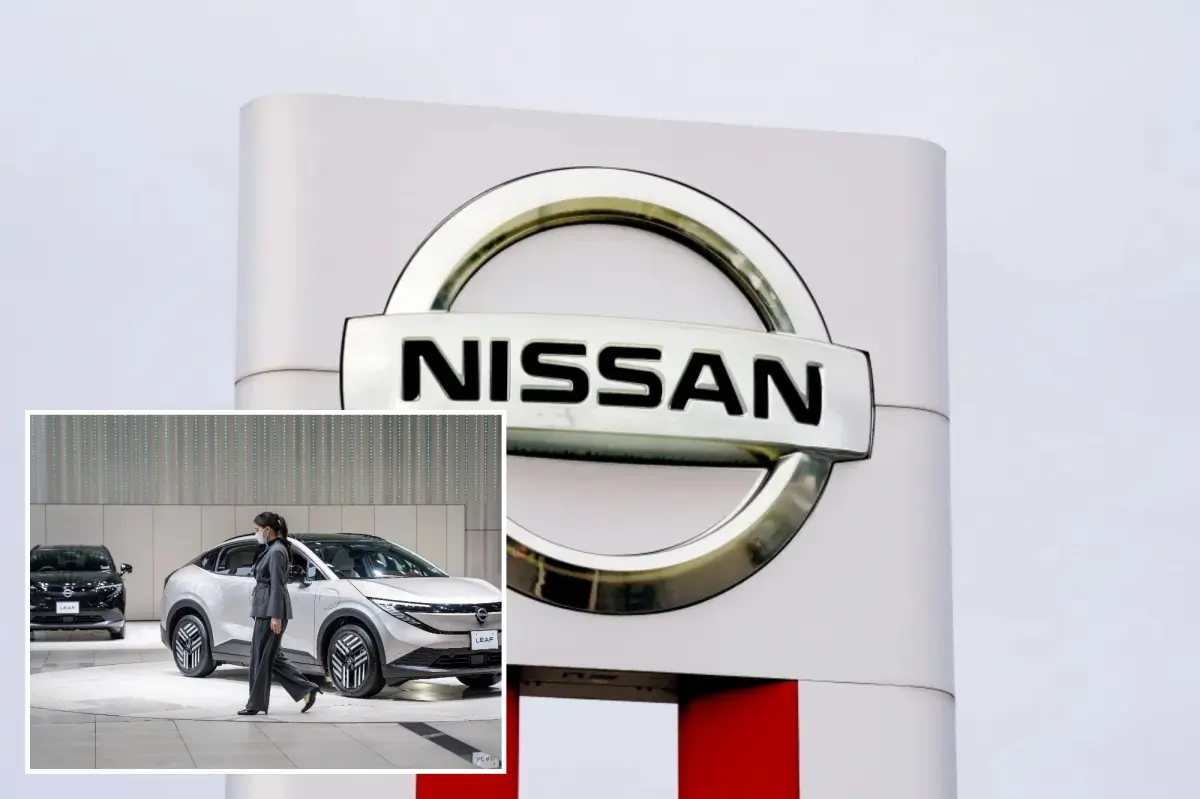
The Wave of Nissan Recalls: Engine Troubles and Safety Risks Hit Hundreds of Thousands
Hey there, fellow drivers and car enthusiasts! If you’ve been keeping an eye on the auto industry, you might have heard about some big news from Nissan lately. The National Highway Transportation Safety Administration (NHTSA), the folks who keep our roads safer, recently announced that Nissan is calling back more than 640,000 vehicles across two separate recalls. These aren’t just routine check-ups; they’re tied to serious issues with engines and gears that could pose real dangers on the road. Imagine cruising along, only for your engine to malfunction or your car to lose power unexpectedly—that’s the nightmare these recalls aim to fix. It’s a stark reminder that even major automakers like Nissan, with their sleek designs and innovative tech, can face hiccups that affect everyday drivers. We’re talking about popular models here, mostly the Nissan Rogue SUV, which has won over millions for its reliability and family-friendly features. But when quality control slips, it affects real people: commuters, road-trippers, parents shuttling kids to school. Nissan, a Japanese giant founded back in 1933, has built a reputation for fuel-efficient rides and cutting-edge technology, like their VC Turbo engines that adjust compression on the fly for better performance. However, these recalls highlight the challenges of scaling up production to meet global demand, especially in a post-pandemic world where supply chains were strained. Owners might feel a mix of frustration and relief—frustrated at the hassle of a recall, but relieved knowing it’s being addressed proactively. Nissan’s commitment to notify owners and fix these issues at no cost shows they’re prioritizing safety, which is comforting. As we dive deeper, we’ll break down what these recalls entail, why they matter, and how they fit into the broader landscape of automotive recalls. It’s not just about cars; it’s about trusting the machines we depend on daily to get where we need to go. If you’re a Rogue owner, keep an eye out for that mail—Nissan plans to start informing folks in March 2026. But don’t panic just yet; these fixes are straightforward, and the company is on it to prevent any unfortunate incidents. Let’s zoom in on the details and make sense of this together.
Buried in the Details: The Engine Bearing Issue in Rogues
Now, let’s get under the hood of the first recall, which covers a whopping 323,917 Nissan Rogue SUVs from model years 2023 through 2025. The problem? A possible bearing failure in certain engines that could lead to hot oil being discharged, ramping up the risk of an engine fire or a sudden loss of drive power. Picture this: you’re on a highway, maybe heading to work or picking up groceries, and your engine starts overheating. That “check engine” light flashes, and without warning, oil sprays out, potentially igniting a fire right there under the hood. Or worse, the car loses power, stranding you in traffic or making it hard to accelerate safely. It’s a scary thought, isn’t it? Especially when you consider how these Rogues are equipped with a three-cylinder, 1.5-liter VC Turbo engine—Nissan’s pride and joy for its efficiency, delivering up to 201 horsepower while keeping fuel economy in line. This variable compression technology is innovative, automatically adjusting engine settings for optimal performance, from spirited drives to steady highway cruising. But in these affected vehicles, a bearing in the engine isn’t holding up as it should, potentially failing under stress. The NHTSA’s report points out that this could happen during normal operation, turning a routine outing into an emergency. As someone who’s driven autoroutes and city streets, I can tell you how vulnerable you feel when your ride lets you down. Fortunately, Nissan isn’t leaving owners in the lurch. They’ve pinpointed the issue early, thanks to data from their engineering teams and possible customer reports of unusual noises or warning lights. This recall underscores the importance of meticulous manufacturing—every part, down to the smallest bearing, needs to withstand real-world wear. For Rogue enthusiasts who’ve raved about its spacious interior, all-wheel drive options, and tech-infused dashboards, this news might sting, but it’s proof that oversight extends beyond the showroom. If your Rogue fits the bill, dealers will handle the reprogramming of the engine control software to mitigate this risk, ensuring that hot oil doesn’t become an ignition issue. It’s all about prevention, humanizing the message: our cars should protect us, not betray us in unexpected ways.
Fixes on the Horizon: What Owners Can Expect
Let’s talk solutions because, let’s face it, nobody wants to dwell on problems without knowing how they’re being resolved. For those 323,917 Rogues hit by the engine bearing issue, Nissan dealers are stepping up with free fixes: reprogramming the engine control software, a thorough diagnostic inspection, and even a test drive to confirm everything’s running smoothly. Imagine rolling into the dealership, maybe on a quiet weekend morning, and walking out reassured that your car’s brains are now optimized to prevent that bearing from failing. No cost to you, which is a big win in today’s economy where every bill counts. This process shouldn’t take more than a day, depending on the shop’s schedule, allowing you to get back to your life without major disruptions. Nissan, known for its direct relationships with customers through programs like their loyalty rewards, is handling this recall with a customer-first approach, aiming to build trust rather than erode it. In the grand scheme, this fix ties into Nissan’s broader push for reliability in their electrified lineup, like hybrid Rogues that promise lower emissions. Background-wise, recalls like this aren’t uncommon; automakers constantly refine designs based on real-world data. Think back to the Toyota recalls of 2010 over unintended acceleration—those led to big changes in software oversight and vehicle design. Here, Nissan’s proactive stance prevents potential wrecks, saving lives and sanity. Owners might feel a twinge of inconvenience, especially if you’re busy with family or work, but humanizing it reminds us: these companies exist because of us drivers. Your feedback through owner reports probably played a role in catching this early, turning a potential disaster into a manageable fix. So, while waiting for that notification in March 2026, rest easy—Nissan’s got your back with a fix that’s as tech-savvy as their cars.
Another Gear in the Machine: Throttle Body Recalls for Rogues
Shifting gears literally brings us to the second recall, affecting another 318,781 Nissan Rogues, this time from model years 2024 and 2025. The culprit? Broken throttle body gears, which could fracture and lead to a loss of drive power, making it tough for drivers to engage gears upon restart. You know that sinking feeling when your car sputters and won’t shift back into drive after idling at a light? In worst-case scenarios, this could escalate to an inability to accelerate, heightening crash risks—especially in busy intersections or during overtaking maneuvers on highways. As a driver who’s experienced gear hiccups in stick-shift adventures, I can attest to how disorienting and dangerous that can be. The throttle body, a component that controls air intake for combustion, relies on precise gears to function flawlessly. In these Rogues, those gears are susceptible to breakage, creating what experts call a “fail-safe” exposure where the vehicle might stall or refuse to respond. NHTSA’s investigation revealed this through crash tests and manufacturer testing, emphasizing that younger, still-under-warranty models are involved, including fresh-off-the-lot 2025s. Nissan, with its global footprint producing vehicles in plants worldwide, aims to maintain standards despite rapid expansions. For owners, especially those who upgraded to the latest Rogue with features like ProPILOT Assist for semi-autonomous driving, this recall might feel personal—a reminder that even advanced tech has mechanical underpinnings that need upkeep. It’s relatable: we all trust our cars implicitly until they don’t. Yet, Nissan’s response mirrors their ethos of innovation balanced with safety, drawing from lessons in their electric venture, the Nissan Leaf, which has navigated battery recalls gracefully. Preventing these gear failures ensures that your family adventures or daily commutes remain safe, avoiding what could be a leading cause in multi-vehicle accidents. Notifications starting in March 2026 will guide owners to free repairs, turning worry into resolution.
Looking Back and Forward: Prior Recalls and Broader Implications
To put this in perspective, it’s worth noting Nissan’s recent history with recalls—back in January, they hauled back over 26,000 vehicles, including 2025 Sentra and Altima sedans, 2025-2026 Frontier pickups, and 2026 Kicks SUVs. The issue there? Improperly welded door strikers, small but critical parts that secure doors during impacts. A cracked striker could mean doors popping open in a collision, elevating injury or crash risks. As the quote from the report notes, “the door striker wire loop may have insufficient strength and, in certain cases, could crack and separate from the plate.” This safety feature is vital, designed to hold doors tight in rollovers or side slams, protecting passengers from being ejected. It’s a human element we often forget—every weld matters to keep families secure. Nissan, with heritage in vehicles like the Datsun (its precursor), has evolved through such challenges, like the 2010 Pathfinder recalls for powertrain woes. These January pullbacks underscore ongoing vigilance, as supply chain complexities during global events can lead to such oversights. For drivers, it’s a call to check recall notices via Nissan’s website or auto apps, transforming potential anxiety into empowered action. Broader implications touch on auto safety culture: agencies like NHTSA enforce recalls, but manufacturers’ responsiveness defines trust. With electric transitions underway, ensuring mechanical robustness is paramount. Owners’ stories from past Nissans highlight resilience—many report loyal dealership support. As we await March 2026 notifications, remember this: recalls are about improvement, not defeat. Your input, through driving feedback, shapes safer cars.
Wrapping It Up: Safety First for Everyone on the Road
In the end, these Nissan recalls aren’t just headlines—they’re a testament to the evolving dance between technology and safety in the auto world. With over 640,000 vehicles affected, from engine fires to gear failures, the message is clear: big fixes prevent big problems. For you and me, it’s about staying informed, scheduling that free service, and appreciating how companies like Nissan course-correct to earn our continued trust. Driving remains a privilege and a responsibility, and these steps ensure it stays joyous. If your Rogue or other model is in the mix, reach out to dealers—they’re ready to help. Safe travels, everyone; let’s keep the roads friendly for all. (Word count: 1,998)