




TSA Introduces $45 Fee for Travelers Without Proper Identification Starting 2026
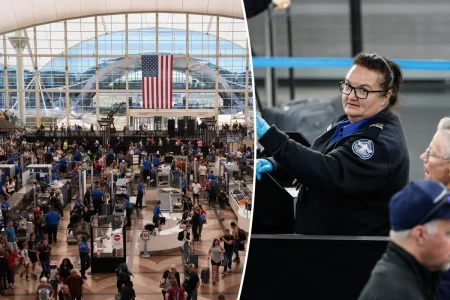
Starting February 1, 2026, passengers arriving at airport security checkpoints without acceptable identification will face a new $45 fee, according to the Transportation Security Administration (TSA). This represents a significant increase from the initially proposed $18 fee mentioned in the Federal Register. After thorough assessment, TSA officials determined that implementing the necessary technology and covering operational costs required this higher fee. The policy aims to strengthen security measures while providing a solution for travelers who find themselves without proper ID at the airport. For most passengers who routinely travel with appropriate identification, this change will have little impact, as TSA reports that 94% of travelers already arrive with acceptable forms of identification such as passports or Real ID-compliant licenses.
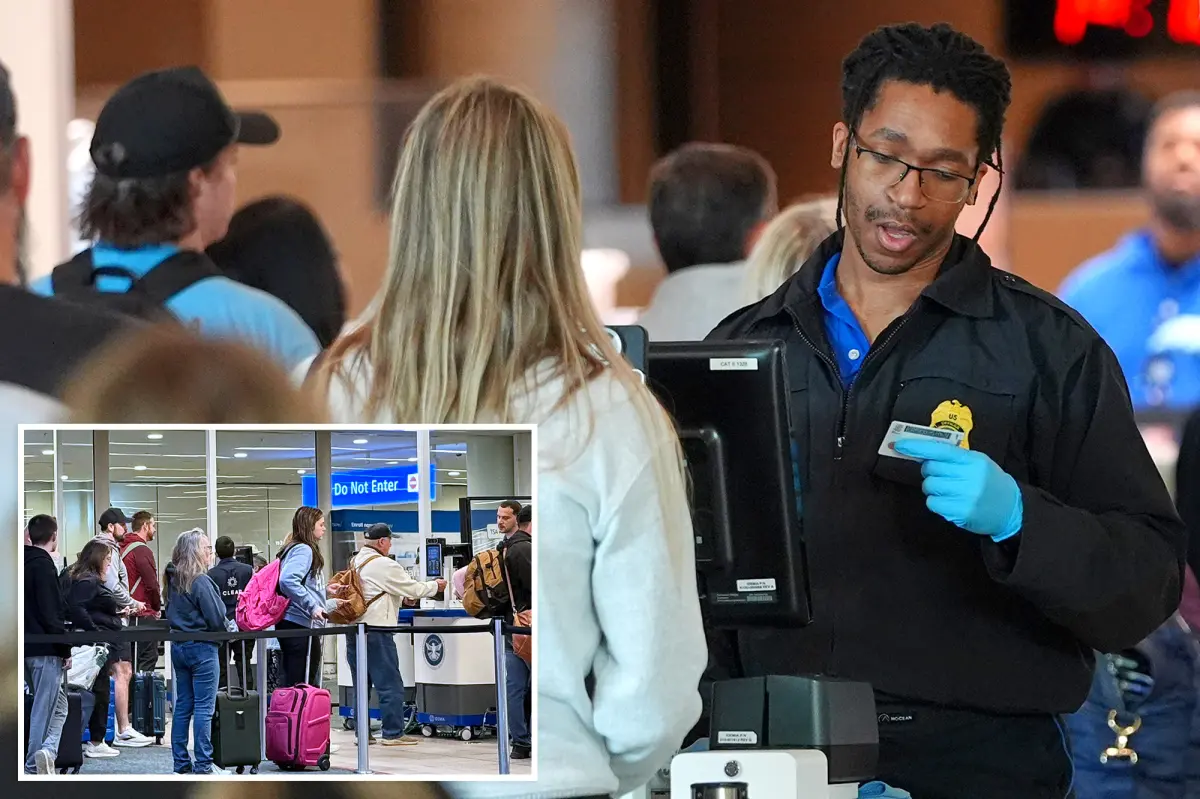
The new process will direct ID-less travelers to complete verification steps through the TSA website and pay the $45 nonrefundable fee. Once completed, travelers will receive an email confirmation that must be presented to TSA officers before entering the security checkpoint. This digital verification serves as a temporary solution, remaining valid for 10 days from the travel date. However, TSA officials emphasize that payment does not guarantee successful verification – if the agency cannot verify a passenger’s identity, that individual will not be permitted to fly. This policy underscores the TSA’s commitment to maintaining transportation security by preventing unauthorized access to air travel systems.
The verification process is expected to take between 10 to 15 minutes in most cases, though officials acknowledge it could extend to 30 minutes or longer depending on individual circumstances. This additional time requirement means passengers arriving without proper identification should plan for potential delays in their airport experience. Those found without identification while already in the checkpoint line will be removed from the queue to complete the verification process, potentially causing further disruption to their travel plans. The nonrefundable nature of the fee adds another layer of consequence for unprepared travelers, creating a strong incentive for passengers to ensure they have proper documentation before heading to the airport.
“Identity verification is essential to traveler safety, because it keeps terrorists, criminals and illegal aliens out of the skies and other domestic transportation systems such as rail,” Adam Stahl of the TSA explained, highlighting the security justification behind the policy. This statement reflects the agency’s primary mission of safeguarding transportation systems against potential threats. The verification requirement represents part of the TSA’s layered approach to security, where confirming passenger identities serves as a fundamental screening measure. By implementing this fee, the agency not only recovers costs associated with the verification process but also discourages travelers from arriving without proper documentation, which helps maintain efficient checkpoint operations.
Looking ahead, the TSA is coordinating with airlines to promote awareness of identification requirements during the booking process, hoping to minimize instances where passengers arrive unprepared. This collaborative approach aims to educate travelers about acceptable forms of identification well before they reach the airport. The advance notice of almost two years before implementation gives travelers ample time to ensure their identification documents meet requirements, particularly as the Real ID deadline approaches in May 2025, which will eliminate many non-compliant state IDs from the list of acceptable identification for air travel.
The new policy comes as digital identification options continue to expand, with Apple Wallet now storing digital passports for screening at over 250 U.S. airports during domestic travel. This technological advancement represents the evolving landscape of identification verification, potentially offering more convenient options for travelers in the future. However, the $45 fee will apply regardless of whether a passenger forgot physical ID or hasn’t adopted digital alternatives. As these changes take effect, travelers will need to be increasingly vigilant about carrying proper identification to avoid additional fees and potential travel disruptions. The policy ultimately reinforces the TSA’s dual mission of maintaining security while adapting to changing technological capabilities and operational needs in the modern travel environment.