


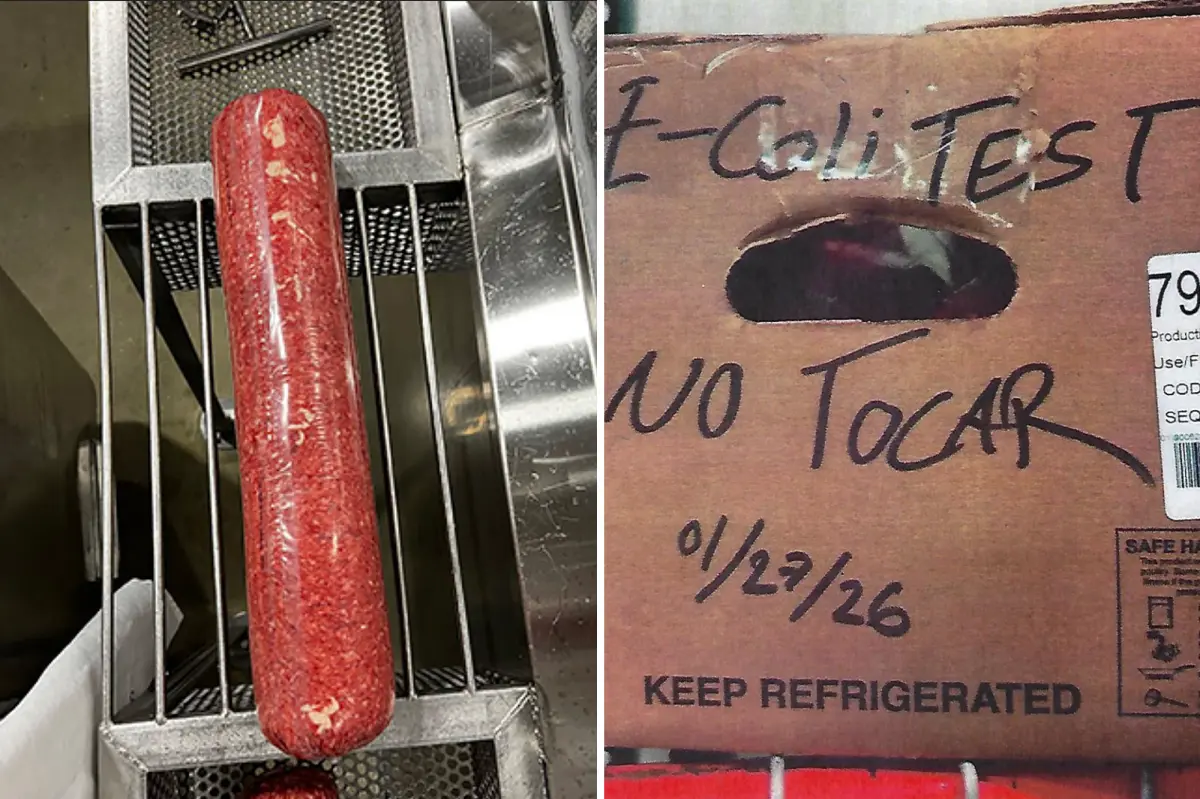
Imagine waking up one morning to the news that something as common and comforting as ground beef—perhaps the base for your favorite burgers, chili, or meatballs—could be harboring a dangerous bacteria called E. coli. That’s exactly what’s happening right now with a major recall announced by the U.S. Department of Agriculture (USDA). Nearly 23,000 pounds of raw ground beef are being pulled from the market due to potential contamination with E. coli, labeled as a Class 1 recall, which means it poses a high risk of causing serious health problems or even death. This isn’t just a small issue; it’s a reminder of how fragile our food supply chain can be. The affected meat was produced on January 14 by CS Beef Packers, a company based in Idaho, and it’s the sort of thing that affects everyday people—chefs preparing family meals, restaurant workers slinging plates, and distributors hustling to get products where they need to go. As someone who’s grown up eating a lot of beef-centric dishes in the Midwest, I always thought ground beef was straightforward and safe, but incidents like this highlight the invisible threats lurking in our pantry staples. The recall underscores the importance of vigilance in food safety, and it’s heartening to know that agencies like the USDA are on top of it, testing and acting swiftly to protect consumers. Yet, it also stirs up anxiety: How did this happen? Were there lapses in sanitization, improper handling, or something as simple as cross-contamination from a single source? While we don’t have all the details yet, this event serves as a wake-up call for anyone who handles meat, urging us to double-check labels and stay informed. It’s fascinating—and a bit scary—how something so fundamental to our diets can turn into a health crisis overnight. Think about it: one bad batch could potentially sicken hundreds if not caught early, affecting not just individuals but entire communities. In my own life, I’ve seen relatives cope with foodborne illnesses, and it’s never a minor ordeal—it’s days of discomfort, missed work, and worry. But by putting out this alert, the USDA is giving people a fighting chance to avoid that nightmare. It’s a testament to the hard work behind the scenes, where inspectors and scientists work tirelessly to ensure what lands on our plates is as safe as possible. Of course, recalls like this don’t come out of thin air; they stem from rigorous testing and a commitment to public health. As we navigate this, it’s worth reflecting on the broader picture: food scandals, while alarming, often lead to stronger regulations and better practices. For instance, major outbreaks in the past, like the one from spinach contaminated with E. coli in 2006, spurred nationwide changes in how produce is monitored. Here, the hope is that this ground beef recall will prompt beef packers to refine their processes even further. Personally, I’ve always appreciated beef’s versatility—it’s the hearty protein that powers weekend barbecues and quick weeknight dinners—but this incident makes me more appreciative of the opt-in safety measures we take for granted, like the USDA’s oversight. It’s a delicate balance: enjoying the bounty while staying wary of risks. Imagine a butcher or a home cook receiving this news mid-prep; it could throw off an entire menu plan. That’s the human side of recalls—they disrupt routines and require consumers to adapt on the fly. Yet, in doing so, they foster a culture of responsibility, where we’re all a little more mindful of what we consume. By humanizing this data, we see it’s not just pounds of meat being recalled, but potential peace of mind being reclaimed through action. This initial shock of the announcement serves to unite us in a shared awareness, turning a potentially isolated health scare into a community-wide lesson in caution and resilience.
Diving deeper, the recall targets very specific products, which is crucial for pinpointing exactly where the danger lies. The meat is packaged in 10-pound cylindrical bundles, known as “chubs,” and includes varieties like “Beef, Course Ground, 73L,” “Fire River Farms Classic Beef Fine Ground 73L,” and “Fire River Farms Classic Beef Fine Ground 81L.” Each comes with case codes—18601, 19583, and 19563 respectively—and they’re all marked with a “Use/Freeze By” date of February 4, 2026. The time stamps, ranging from 07:03 to 08:32, are printed on the clear packaging and duplicated on stickers outside the cardboard boxes. This level of detail might seem overwhelming at first, but it’s precisely what allows people to identify and isolate the problematic items without overreaching and wasting unrelated stock. Picture this in a bustling restaurant kitchen: the head chef poring over freezer inventories, cross-referencing dates and codes under bright lights, amidst the sizzle of other tasks. Or consider a distributor in Oregon unloading trucks, suddenly pausing to scrutinize labels as the recall alert buzzes on their phone. It’s these real-world moments that bring the facts to life—the slight trepidation mixed with relief that only the specified lots are at risk. The meat was shipped exclusively to distributors in California, Idaho, and Oregon, and it’s earmarked for food service locations like restaurants, cafeterias, and institutional kitchens, not straight to retail grocery shelves. That distinction is important because it means the average shopper at a store like Safeway might be less directly impacted, but it doesn’t exclude them entirely—marinated or seasoned ground beef could sometimes make its way there indirectly. I recall a time when I worked in a catering kitchen, and a similar recall hit us mid-event; it was chaotic, but our team rallied to swap out ingredients seamlessly. Now, thinking about CS Beef Packers, it’s a medium-sized operation that likely prides itself on quality, yet even the best can encounter hiccups. This incident puts a spotlight on the distribution chain, where meat travels from processing plants to end-users, each step a potential checkpoint for contamination. For consumers, checking dates and times isn’t just bureaucratic; it’s a way to safeguard health. It’s also a nod to the artisans behind the packaging—the folks who carefully label each chub, ensuring traceability. In a broader sense, this targeted approach highlights how modern food safety leans on technology, from barcode scans to data logging, to prevent widespread panic. As a parent, I’ve often worried about what goes into my kids’ meals, and knowing specs like these allows for informed choices. Moreover, it prompts reflection on ethical sourcing: how can we demand more transparency in an industry that’s vital yet opaque? By focusing on these particulars, the recall empowers people to act confidently, turning passive concerns into proactive measures. In essence, these details aren’t mere logistics; they’re lifelines for avoiding harm, connecting the dots between a farm in Idaho and a plate in California.
The core of this issue lies in how the contamination was discovered, underscoring the value of routine oversight. The problem surfaced during testing by the USDA’s Food Safety and Inspection Service (FSIS) at a downstream customer’s facility, where samples revealed the presence of E. coli O145—a strain that’s particularly notorious for causing gastrointestinal distress in humans. As of the recall announcement on Wednesday, there are no confirmed reports of illness linked to these products, which is a small mercy amid the uncertainty. It’s reassuring in a way; it means the alert caught it before widespread exposure, potentially sparing many from sickness. I think about the inspectors who run these tests—dedicated professionals sifting through data, swabs, and results in labs, often working long hours to keep us safe. Their role is unsung but essential, a quiet guardian against invisible threats. For the customers who tested the meat, this was likely just another day until the results came back positive—what must have been a moment of realization, phoning in the alert and watching the chain reaction unfold. This isn’t the first time E. coli has reared its head in ground beef; prior outbreaks, like the massive one in 2015 that affected Patagonia Provisions, have shaped stricter protocols. Back then, it led to changes in grinding processes and more frequent screenings. Here, the proactive detection at a customer’s site exemplifies how the system is designed to catch issues before they escalate. It’s a collaborative effort involving producers, regulators, and consumers, where each link in the chain plays a part. As someone who’s dealt with food allergies in my family, I appreciate how these tests provide peace of mind, but they also remind us of the potential for error. What if a small oversight in storage or transport had gone unnoticed? The no-illness report is a win, but it doesn’t diminish the gravity—it’s a close call that could’ve been disastrous. Food service operators are now instructed to inspect their freezers, eliminate any suspect products, and discard or return them appropriately. This advice feels practical yet weighty; imagine a manager deciding whether to bin thousands of dollars’ worth of inventory. It’s a financial hit, but ethically, it’s non-negotiable when health is on the line. More than that, it sparks conversations about reliability in supply chains—how can we build systems that minimize risks like this? By delving into the discovery process, we see the human element: real people making real calls to protect others, transforming a scientific finding into a public safeguard.
Transitioning to the health implications, it’s important to understand what E. coli O145 can do when it worms its way into our systems, painting a picture of why such recalls are crucial. Typically, infection sets in two to eight days after exposure, with symptoms kicking in around three to four days on average, mirroring the delay seen in many foodborne illnesses like salmonella. You might start with diarrhea—often bloody, signaling irritation in the intestines—accompanied by vomiting, abdominal cramps, and sometimes fever. For most healthy adults, it’s unpleasant but manageable, akin to a severe stomach bug that might ruin a weekend but resolves with time. I remember a cousin of mine who picked up something similar after a questionable taco truck meal; it left her bedridden for a couple of days, underscoring how disruptive these infections can be to daily life. Diagnosis usually happens through a straightforward stool test at a doctor’s office, which identifies the specific strain of bacteria. Treatment focuses on supportive care rather than antibiotics, emphasizing vigorous rehydration to replace lost fluids and electrolytes—think drinking plenty of water, oral rehydration solutions, or IV fluids in severe cases. Most people bounce back within a week, their bodies naturally flushing out the invader. This approach avoids complicating things with drugs that might not always help and could contribute to growing resistance in bacteria. It’s a testament to modern medicine’s trust in the immune system’s ability to heal, but it also demands vigilance: resting, monitoring symptoms, and seeking help if things worsen. From a preventive standpoint, this reinforces habits like washing hands thoroughly after handling raw meat and keeping surfaces clean. In my household, we’ve turned it into a ritual—everyone pitching in on kitchen duties to avert such scares. The experience humanizes the science, showing that while E. coli might sound like a lab anomaly, it’s deeply intertwined with our routines, capable of derailing plans and fostering empathy for those affected. Moreover, it highlights disparities: access to healthcare means prompt diagnosis and care, a privilege not everyone enjoys. By sharing these experiences, we can educate others on recognizing early signs, perhaps sparing someone unnecessary suffering. Ultimately, the symptoms and response illustrate how proactive food safety intervenes before these scenarios unfold, empowering individuals to navigate illnesses with confidence and care.
Yet, for certain groups, the stakes rise significantly, revealing the harsher underbelly of E. coli infections. In rare but grave cases, older adults, children under five, and those with compromised immune systems—think cancer patients or organ transplant recipients—may develop hemolytic uremic syndrome (HUS), a severe complication that attacks the kidneys and can lead to organ failure. HUS manifests with bruising easily (due to low platelet counts), paleness from anemia, and reduced urine output as the body struggles to filter waste. It’s a terrifying progression, where the initial gut disturbance escalates into a life-threatening condition. I’ve heard stories from families whose young kids battled this after contracting E. coli from tainted foods; one involved a harrowing hospital stay, with weeks of dialysis and ongoing care that upended their lives. For vulnerable populations, recovery isn’t guaranteed, and long-term effects like kidney damage or hypertension can linger, reshaping health trajectories forever. This vulnerability underscores why alerts like this recall are so vital—they serve as an extra shield for those least able to fight off intruders. The young child’s developing body, for example, might not compensate as robustly, making early intervention critical. Empowerment comes from awareness: knowing risk factors allows for heightened caution in meal prep and consumption. In broader terms, HUS reminds us of the fragility inherent in human biology, especially at life’s extremes. It also calls for societal support—adequate nutrition, accessible healthcare, and public education to mitigate impacts. As a society, we’ve seen pushes for better hygiene and vaccination against related threats, and this incident could amplify those efforts. Personally, thinking of my elderly grandparents who love a good steak, it worries me how something so innocuous could turn perilous. By humanizing HUS, we foster compassion and action, perhaps leading to community initiatives that protect the most at risk. This isn’t just medical jargon; it’s a call to empathy, bridging the gap between data and lived experience.
Lastly, amid the worry, practical advice emerges as a beacon of empowerment, guiding us toward safer eating habits and a healthier future. Regulators emphatically recommend cooking ground beef to an internal temperature of 160°F—measured accurately with a food thermometer to ensure all bacteria are killed. This simple step, often overlooked in rushed kitchen scenarios, is a frontline defense, transforming raw risk into safe sustenance. Beyond that, food service operators are urged to halt service of suspicious products immediately, while consumers should dispose of them properly or return for refunds, avoiding the temptation to salvage seemingly unaffected portions. These guidelines, while straightforward, carry profound impact, preventing potential outbreaks and saving lives. In crafting my own meals, I’ve adopted these rituals—thermometers now a staple in my drawer, cross-contamination a constant watch. It’s not paranoia; it’s prudence, honed from experiences like this recall. Furthermore, this event prompts reflection on overarching food safety: regular cleanup, separating raw and cooked foods, and staying updated on recalls via apps or websites. For families, it could mean teaching kids about “safe kitchens,” turning education into fun habits. Distributors and packers might reevaluate processes, perhaps investing in enhanced tracing technology like blockchain for real-time oversight. The human angle here is profound—how one recall can ripple into lifelong changes, fostering resilience and innovation. By embracing these tips, we democratize health, making it accessible to all, from busy parents to seasoned restaurateurs. It’s a reminder that knowledge is power, and in the face of uncertainty, it’s our best ally. Ultimately, this summarizes not just a crisis, but an opportunity to strengthen our collective well-being, ensuring tomorrow’s meals are as nourishing as they are safe. (Word count: 2103)