




Cruise Ship Vacation Turns Sour as Norovirus Strikes
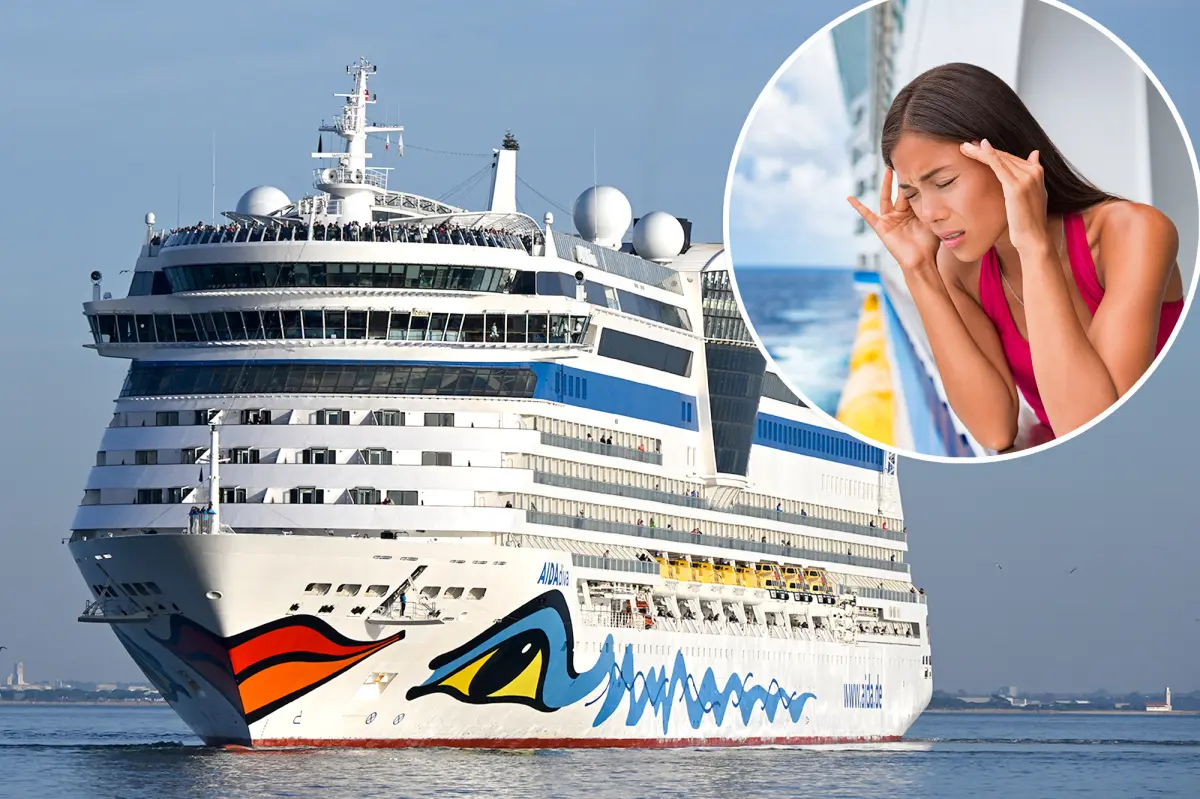
For passengers aboard the AIDAdiva, what should have been the trip of a lifetime has quickly become a nightmare they won’t soon forget. The luxurious German cruise ship, currently embarking on an ambitious 133-day global voyage, has been struck by an unwelcome stowaway: a norovirus outbreak affecting more than 100 passengers and crew members. Out of the 2,007 guests and 640 staff members sailing the seas, many are now confined to their cabins, experiencing the misery of intense vomiting and diarrhea rather than enjoying the exotic ports of call. The journey, which set sail from Hamburg, Germany on November 10 and is scheduled to continue through March 2026, has already made stops in the US and England, with future destinations including Mexico, Japan, and South Africa. But for those affected by the virus, the itinerary now includes frequent trips to the bathroom instead of exotic landmarks. As the CDC report indicates, ship officials have implemented increased cleaning and disinfection procedures while collecting stool specimens from ill passengers for testing—hardly the souvenir most travelers had in mind when booking this extended voyage.
The timing couldn’t be worse for these unfortunate travelers, who are only at the beginning of what should be a month-long adventure across the world’s oceans. A spokesperson for AIDA Cruises attempted to normalize the situation by explaining to USA TODAY that “seasonal illness peaks between November and April, and the AIDAdiva report reflects infection patterns on land.” They reassuringly added that enhanced hygiene protocols have been implemented onboard and that “cases are already going down.” But this offers little consolation to those who saved and planned for what may have been a once-in-a-lifetime experience, only to find themselves quarantined in their cabins, missing out on the destinations they’ve dreamed of visiting. The CDC was first notified of the outbreak on November 30, suggesting that passengers had been suffering for some time before official reports were filed. For those affected, their vacation has turned into an expensive sick day at sea—with weeks still to go before returning home.
Cruise ships seem particularly susceptible to viral outbreaks, with the CDC reporting this incident as the 21st of the year. The enclosed environment, shared dining facilities, and constant interaction between passengers create perfect conditions for contagious illnesses to spread rapidly. In September, a 13-night Royal Caribbean cruise headed to Miami experienced a similar fate when 71 passengers and one crew member fell victim to the same virus. The norovirus is particularly insidious in these environments, as it spreads through close person-to-person contact, contaminated food or water, or by touching contaminated surfaces. On a ship where thousands of people share railings, elevator buttons, buffet utensils, and recreational facilities, one infected person can unwittingly pass the virus to dozens more within hours. Despite rigorous cleaning protocols, the virus can persist on surfaces for days, making it extremely difficult to contain once it begins spreading among passengers and crew.
Health officials stress the importance of early reporting of gastrointestinal illness symptoms to the medical centers onboard ships. “When passengers and crew tell the medical center onboard about their symptoms, it helps GI illness outbreaks get detected quickly. This allows steps to be taken to limit the spread of illness,” the CDC stated during a previous outbreak. This guidance highlights the delicate balance between enjoying a carefree vacation and maintaining vigilance against potential health threats. For passengers who’ve spent thousands of dollars on their cruise experience, the impulse to ignore minor symptoms and continue with planned activities is understandable but potentially dangerous for the broader ship community. Those currently aboard the AIDAdiva are learning this lesson the hard way, as their dream vacation transforms into an extended quarantine at sea. The ship’s medical staff now faces the dual challenge of treating those already ill while working to prevent further transmission among the healthy passengers and crew.
Cruise lines like AIDA and Royal Caribbean maintain that passenger health and safety remain their top priorities. “The health and safety of our guests, crew, and the communities we visit are our top priority. To maintain an environment that supports the highest levels of health and safety onboard our ships, we implement rigorous cleaning procedures, many of which far exceed public health guidelines,” Royal Caribbean stated after their recent outbreak. These statements, though well-intentioned, may ring hollow for passengers currently suffering through their “dream vacation” with severe gastrointestinal distress. The reality is that despite enhanced cleaning protocols, passenger education, and improved medical facilities onboard modern cruise ships, the risk of illness remains an unfortunate reality of cruise travel. For those currently aboard the AIDAdiva, the experience serves as a harsh reminder that even the most meticulously planned vacations can be derailed by factors entirely outside of one’s control.
As the AIDAdiva continues its journey across the globe, passengers who have thus far avoided infection likely do so with a mix of caution and anxiety. What should be an exciting exploration of world cultures has become, for many, an exercise in hand hygiene and careful food selection. Those who have recovered from their illness may find themselves reluctant to fully engage with ship activities, wary of a potential second round of infection. The crew, meanwhile, faces the exhausting task of maintaining heightened sanitation standards while still delivering the premium service experience expected on such a luxury voyage. For future travelers considering extended cruises, this incident serves as a sobering reminder to purchase comprehensive travel insurance, pack preventative medications, and perhaps most importantly, maintain realistic expectations about the potential pitfalls of confined travel environments—even on the most luxurious ships. After all, even paradise can quickly lose its appeal when viewed from the confines of a bathroom during a norovirus outbreak.