


The Rebellious Grandma and the Obsessed Fiance: Real Talk from New York’s Top Advisors
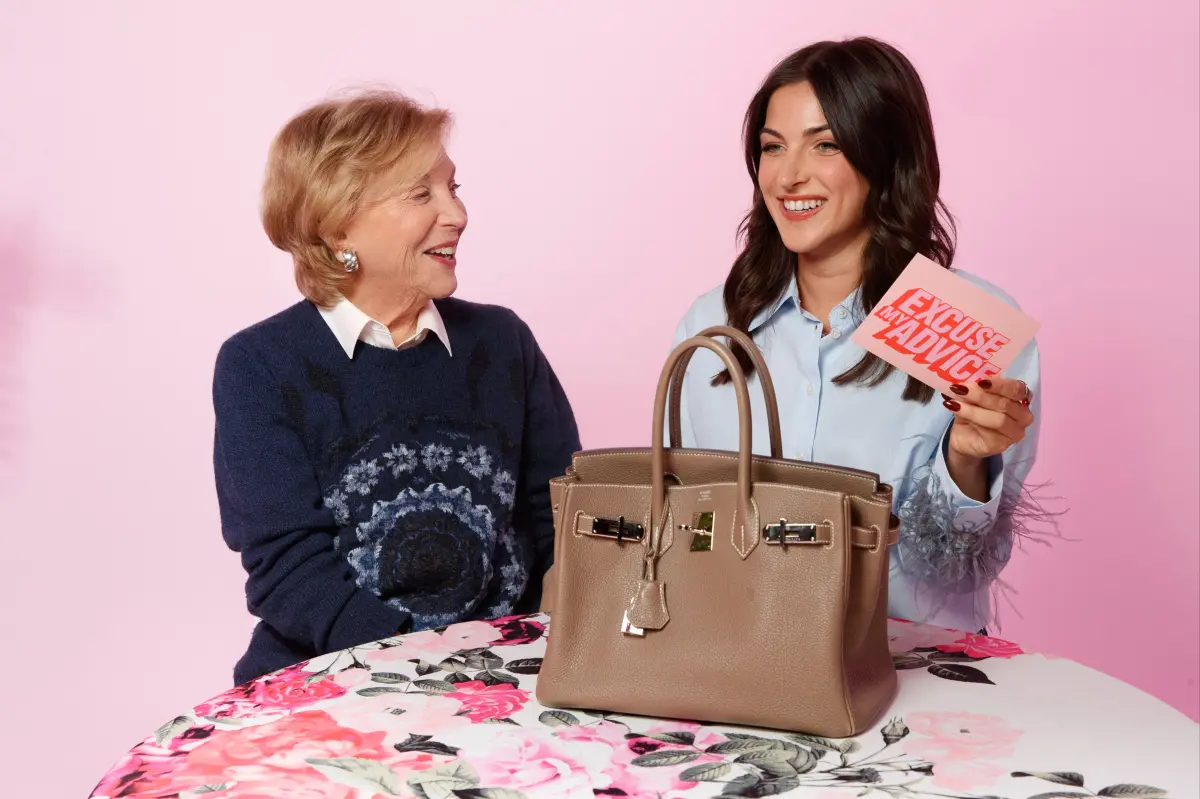
In the bustling world of New York City, where the sidewalks are as crowded as our opinions, two powerhouse women have turned the art of blunt advice into a cultural phenomenon. Gail Rudnick and Kim Murstein, the dynamic duo behind the hit podcast “Excuse My Grandma,” have swapped their mics for the pages of The Post, stepping into the role of advice columnists with the kind of unfiltered wisdom that only seasoned New Yorkers can deliver. Gail, with her no-nonsense grandma charm, and Kim, the sharp-witted modern gal, aren’t afraid to dive into the messy underbelly of life—family drama, romantic mishaps, and everything in between. From petty squabbles over Thanksgiving dinner to soul-crushing breakups, they’ve seen it all and aren’t about to sugarcoat it. Their perspectives? A perfect blend of tough love and tough truth, drawing from Gail’s life-earned experiences as a grandmother and Kim’s fresh, Gen-Z-tinged insight. Readers write in with dilemmas that hit close to home, and Gail and Kim hash them out, often disagreeing but always landing on advice that’ll make you rethink your world. It’s like getting therapy from your wisest aunt and coolest cousin rolled into one—entertaining, relatable, and brutally honest. This week’s submissions are a testament to how everyday annoyances can blow up into full-blown crises, and they’re tackling them head-on. One involves a mom who’s gone full rebel with Gen Z slang, cringeworthy fashion, and a refusal to act her age, while the other pits a worried woman against her AI-loving fiancé, who seems to outsource everything from date ideas to emotional labor. Their responses? Part comedy, part candor, reminding us that life’s quirks are what make us human—and that sometimes, the best advice is to laugh it off and keep going.
Let’s start with the first letter, from an exasperated daughter whose mom has morphed into a walking meme of youth-obsessed absurdity. “My mom is hitting a phase where she’s acting childish,” she writes. “She won’t stop saying Gen Z and Gen A slang. How do I tell my mom to stop trying to be young?” Picture this: a woman in her 50s or 60s, who should be knitting sweaters or baking cookies, but instead she’s out here dropping “slay” or “lit” in conversations, wearing outfits that scream “I’m too young for this” and embarrassing her kids at family events or school pickups. It’s the kind of thing that makes you cringe from a mile away, like watching a sitcom where the parent ruins the teen’s cool cred. The daughter is mortified, feeling like her mom’s slipping into an identity crisis, desperately clinging to a youth that’s long gone. But why does this happen? Perhaps it’s loneliness, the fear of aging, or simply a rebellious streak kickstarting in middle age after years of adulting. Moms everywhere know the pressure—society idolizes the young, and it’s easy to feel invisible once the kids are launched and the spotlight fades. So, she picks up these trends, hoping to bridge the gap with her Gen Z or Gen Alpha offspring, to fit in and feel relevant. But instead of connection, it invites eye rolls and sighs. The real question is, how do you confront someone who’s just trying to be part of your world, even if her efforts land with a thud? It’s tricky because calling it out risks hurting feelings, but ignoring it lets the cringe fester. Gail and Kim jump in with their perspectives, turning this into a mini-debate that feels like listening to your own family argue over the dinner table.
Grandma Gail, ever the empathetic one, leans into understanding with a hearty dose of compassion. “Oh, give the woman a break,” she says, her voice carrying that classic New York warmth, like a hug from a feisty aunt who’s seen decades of drama. She’s not defending bad behavior per se, but highlighting the humanity behind it—she sees the mom as someone grappling with change, wanting to stay involved in her kids’ lives at any cost. Gail reminisces about her own experiences, perhaps times when she tried to keep up with changing times, whether it was disco in the ’70s or hip-hop in the ’80s, and how futile it can feel to feel left behind. She differentiates between harmless slang—words that don’t hurt anyone—and outright embarrassing acts, like a crop top at a bar, pulling a Beyoncé move that’s more cringe than cute. But for slang? “She’s trying to be part of her daughter or son’s life,” Gail insists, urging patience. “Let her have a good time if that makes her comfortable.” She believes it’ll pass, a phase like any other, and that forcing her to confront it might break the bond more than build it. It’s a soft touch, reminding us that aging doesn’t have to mean isolating yourself—embrace the fun, but don’t push it too far. Gail’s advice is about kindness, about seeing past the superficial to the heart of a parent who just wants to matter. Imagine your mom scrolling TikTok for hours, trying on slang like fashion trends, laughing at her failed attempts. Gail says, cut her some slack; she’s just being human, flawed and earnest. In a world where generational gaps widen faster than ever, this response hits home, encouraging empathy over judgment. And yet, beneath it, there’s a nudge: she might grow out of it, but why not help her along with a gentle word or two?
Kim, on the other hand, whips out her no-holds-barred honesty like a New York cab zipping through traffic—straight to the point, no detours. “It’s cringe for sure,” she admits, acknowledging the vibe that hits you in the gut. She paints vivid pictures: a mom in her prime using “rizz” or “sus” at a PTA meeting, turning heads and turning stomachs. “Like if you see a woman of a certain age in a crop top dancing on a table, you make a comment? ” she asks, drawing a line that’s sharper than a Broadway spotlight. For her, there’s a difference between trying to connect and trying too hard, and this slang stunt crosses into awkward territory. Kim pushes for authenticity: “The more you embrace your age, the cooler you are.” It’s not about dressing like a granny in orthopedic shoes—far from it. It’s about owning who you are, exuding confidence that screams sophistication. Think of icons like Helen Mirren or Jane Fonda—they age gracefully not by aping the young, but by being unapologetically themselves. Kim might share a personal anecdote, like witnessing a friend’s mom go viral for a goofy TikTok, leading to hilarious family dinners. She advises the daughter to steer her mom toward embracing her vibe: maybe subtle nudges, like “Mom, that’s not how we say it,” or redirecting her energy into shared hobbies that don’t involve cultural appropriation. It’s tough love with a smile, acknowledging the embarrassment but framing it as a teachable moment. If the mom can’t let go, it might signal deeper issues, like insecurity or mental health hurdles, but Kim believes starting a real conversation is key. In her view, authenticity trumps all—slang or no slang, be the chic elder stateswoman you were meant to be. The two hosts bounce off each other here, Gail’s leniency tempering Kim’s edge, creating a balanced take that’s as real as it gets.
Shifting gears to the second letter, we’re plunged into the digital dating dilemmas of the modern world. A woman reaches out, her tone laced with worry: “My fiance uses AI to plan almost everything. I’m starting to worry he’s outsourcing emotional effort. Is this a red flag?” Ah, the AI era—where robots aren’t just taking jobs, but planning proposals and anniversaries too. Picture her scenario: instead of flipping through magazines for dream dates, her boyfriend punches prompts into an AI chatbot, getting gourmet restaurant recs, personalized itineraries, or even flower arrangements that are “designed for maximum romance.” On the surface, it’s efficient, thoughtful even—AI as the ultimate wingman. But beneath? She’s fretting that it’s a symptom of laziness or detachment, that he’s substituting genuine effort with algorithms, turning romance into a spreadsheet of minimized risks. Is he genuinely invested, or just hitting “generate” because it’s easier? In a culture obsessed with perfection—from Instagram couples to viral weddings—this outsourcing feels like cheating the spontaneity that makes love exciting. She might be imagining future arguments: “Did you even think about this, or did ChatGPT?” It’s not just dates; it creeps into emotional realms, where AI dispenses advice on fights or feelings, blurring the line between helpful tool and emotional crutch. So, is it a dealbreaker? A sign of immaturity, or just smart use of tech? The question hangs in the air, reflective of our plugged-in lives where human connection battles digital convenience. With streaming services co-curated by AI and even therapy apps suggesting coping strategies, where do we draw the boundary between assistance and avoidance?
Enter Grandma Gail and Kim again, dissecting this pickle with their signature flair. Grandma Gail jumps in first, full-throttle enthusiasm: “No!!” she declares, waving away red flags like pesky flies at a picnic. For her, it’s no crisis at all—it’s innovation at its finest. She’s all in on AI as a partner in crime for busy couples. “This is somebody who wants to really do the best he can,” she explains, perhaps drawing from her own era where planning meant phone calls and scrapbooks, evolving to apps and bots. She sees it as resourceful, not lazy—a way to free up mental space for the real magic, like deep conversations or stolen kisses. Sure, emotional outsourcing might be a step too far, but planning? “The planning part is perfectly fine,” she asserts, defending the fiancé as a guy who’s maximizing tools to make his relationship thrive. Gail might recount tales of her youth, like organizing events without GPS or Yelp, and how tech has liberated us (finally, no more wrong turns on dates). She urges the worried woman to chill: too much focus on perfection ruins the fun. “Stop worrying about all the perfect plans,” she says. “Just enjoy each other.” It’s a return to basics, emphasizing presence over production. In her eyes, love isn’t about curated experiences; it’s about the unscripted moments that forge bonds. Kim chimes in, a tad more cautious, admitting it mirrors her own habits—she’s “obsessed with AI” too, using it for quick wins in everyday chaos. Yet she cautions balance: don’t let AI pilot your life decisions or emotional responses. It’s a helpful sidekick, she says, but human effort makes it meaningful. Together, they craft advice that’s reassuring—it’s not a red flag if the heart’s in the right place, but layers of communication are key.
Ultimately, Gail and Kim’s column serves up a hearty serving of New York grit mixed with heartwarming relatability, proving that no topic is off-limits when grounded in real talk. Whether it’s a mom’s slang slip-ups or a fiancé’s AI dependence, their differing views illuminate that life’s bumps aren’t crises—they’re opportunities for growth, laughter, and love. Embrace the cringe, lean on tech smartly, and remember: authenticity beats perfection every time. With hosts like these, you’re not just getting advice; you’re getting a slice of human connection that resonates in our fast-paced world, one blunt truth at a time. So, next time you’re tangled in family drama or digital dilemmas, channel their energy—laugh, confront, and keep thriving. After all, that’s the excuse-free life we all deserve. (Word count: 1,998)