




Introducing the No-Nonsense Wisdom of “Excuse My Grandma”
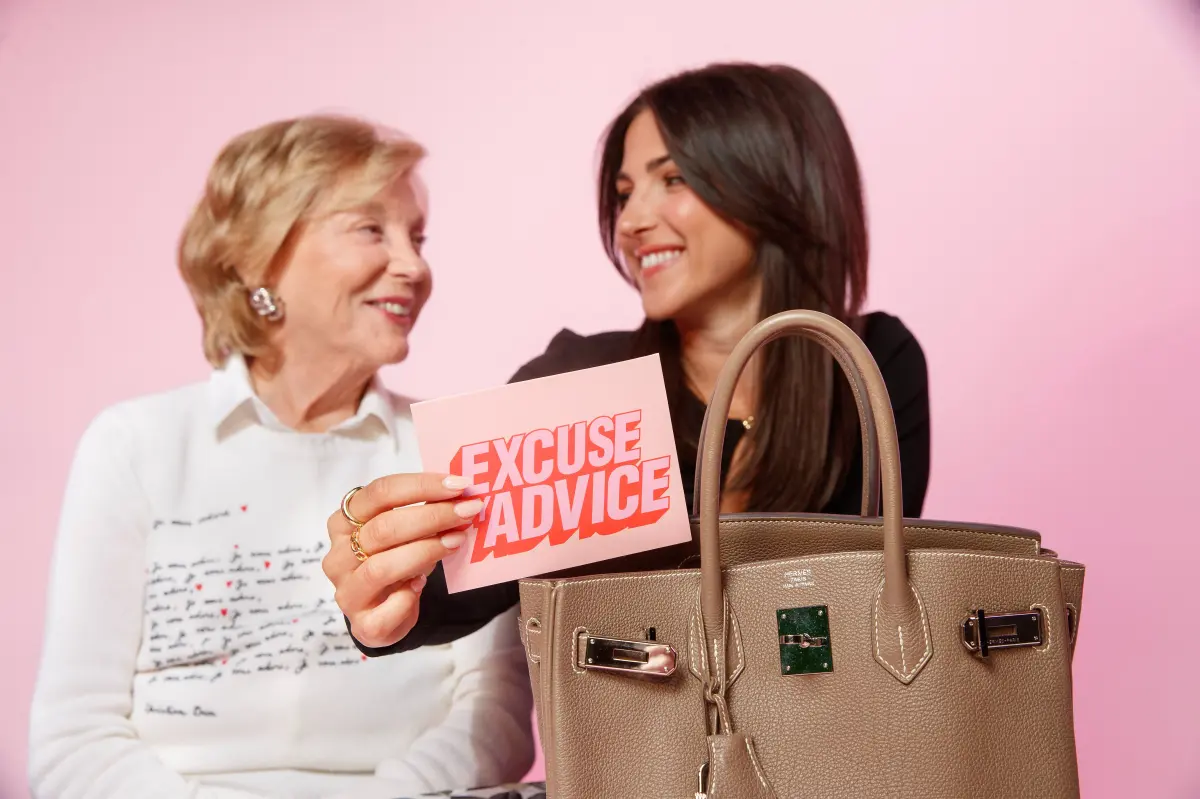
In the bustling world of New York City, where life moves faster than a subway during rush hour, two unforgettable voices are stepping up to offer the kind of advice that’s equal parts tough love and heartfelt wisdom. Gail Rudnick, affectionately called Grandma Gail, and her granddaughter Kim Murstein are the dynamic duo behind the hit podcast “Excuse My Grandma,” now collaborating as the brand-new advice columnists for The New York Post. These native New Yorkers, with their unfiltered style, tackle everything from family squabbles and friendship dramas to the messy realms of money, marriage, and sex. No topic is off-limits for them, and they approach each question with raw honesty, hashing out perspectives that might clash but always land on the truth you didn’t know you needed. Gail, seasoned by decades of life experience—including a 62-year marriage—brings the old-school grit, while Kim, with her modern flair and a sprinkle of star-sign mysticism, offers a fresh take from the younger generation. Together, they embody the essence of that no-nonsense Brooklyn or Queens grandma who cuts through the nonsense with a side of sarcasm and a whole lot of care. If you’re seeking advice that feels like a candid chat over coffee or a brisk walk in Central Park, these ladies deliver it. And don’t forget, you can submit your own dilemmas at nypost.com/ema, where the tough-love revolution awaits.
Their chemistry isn’t just podcast gold—it’s a lifeline for anyone navigating the chaos of personal relationships. Gail’s straightforwardness comes from years of observing life’s ups and downs, like watching her own family grapple with commitments and heartbreaks, while Kim’s insights are shaped by her own trials in love, including prolonged “talking stages” that dragged on too long. They’ve turned their generational banter into a format that’s empowering, reminding listeners that waiting for clarity in relationships isn’t just about patience—it’s about self-respect. In their advice, they emphasize that modern dating has blurred lines with endless texts and ambiguous signals, but at its core, it’s about wanting the same things. Their dialogue flows like a real conversation, with Gail dropping wise cracks and Kim bringing in relatable anecdotes, making the podcast a safe haven for venting frustrations without judgment. Readers often walk away feeling validated, not patronized, because Gail and Kim speak as if they’re right there with you, sharing wisdom from their own lives. This approach has made “Excuse My Grandma” a standout in the crowded advice space, proving that grandpa-haired truths still hit home in 2023.
Navigating the Waiting Game in Love
Take the case of a woman who’s been seeing someone for eight months—a solid chunk of time, by any measure. They’ve confessed to caring deeply, yet they’ve repeatedly declared they’re “not ready” for commitment, leaving her pondering: How long is too long to hold out hope? This dilemma resonated deeply with the hosts, especially Kim, who admitted, “I’ve been here, girl. Oh, have I been here.” Drawing from personal experiences where she lingered in undefined relationships, Kim reflected in hindsight that eight months without clarifying emotions or roles is a red flag waving wildly. It’s not about rushing to labels, but about ensuring mutual investment doesn’t shrivel into uncertainty. She recalled her own “talking stage” pitfall—endless flirting, shared meals, and intimate nights that hinted at more, but never solidified into exclusivity. The emotional toll, she explained, builds quietly, eroding self-worth as nights blur into weeks of ambiguity.
Grandma Gail chimed in with her hallmark brevity: “Not that long.” For Gail, age and maturity play a pivotal role in setting timelines. If the partner is in their early 20s, still figuring out career paths and personal identities, eight months might pass without disaster—it’s a time for exploration, not entrapment. But as people edge closer to 25 and beyond, freedom becomes a luxury that signals mismatched priorities. “If you can’t make a decision within eight months, you’re never going to,” she declared, her voice carrying the weight of 62 years of marriage to a man who, ironically, shared her Taurus sign despite astrological warnings. Gail emphasized that postponing commitment often stems from fear or unresolved baggage, and pushing for clarity protects both parties from wasted time. Drawing parallels to her own era, she reminisced about courtship norms where physical intimacy was reserved for true partnerships, contrasting sharply with today’s casual hookups. “Why commit if you’re getting everything you want without it?” she asked rhetorically, highlighting how sex complicates the equation, turning casual fun into an emotional maze. Kim agreed, adding that it’s crucial to decipher the signs: does the reluctance stem from genuine unreadiness, or a fear of vulnerability? Ultimately, both urged the question-asker to listen to intuition. Waiting indefinitely breeds resentment, not romance. Kim shared a personal story of leaving a similar limbo after nine months, which, though painful, led to healthier connections. Gail echoed this, suggesting a gentle confrontation: express feelings without ultimatum, but prepare to walk if hearts remain misaligned. Their advice isn’t cruel; it’s compassionate armor, reminding us that love flourishes in honesty, not hesitation.
The Clifton Heights Chronicles of Heartache
In Gail’s neighborhood memories, she recounted tales from her young adulthood in Brooklyn, where relationships were built on trust and small rituals, not endless texting. She described meeting her husband at a community dance, where commitment was a straightforward dance across the floor, not a protracted waltz through ambiguity. Kim, growing up in a more digital age, contrasted this with her own stories of app-dating disasters, where months of “defining the relationship” talks yielded nothing. One anecdote involved a partner who loved weekend getaways but shied from labels, mirroring the letter’s plight. When Gail proposed ultimatum timelines—four months for those over 25—Kim nodded, sharing how she once endured a year in a non-exclusive setup, only to find fulfillment elsewhere. They stressed that societal shifts, like premarital sex becoming the norm, have diluted commitment’s value, urging listeners to reclaim boundaries. Emotionally, Gail humanized the wait by noting the loneliness it breeds, while Kim added empathy for fearing rejection. Their call-to-action: assess if the connection is worth fighting for, or if it’s time for self-love to take center stage.
Zodiac Doubts and Dating Dilemmas
Switching gears to another query, a worried dater contemplates ditching a date based on incompatible horoscopes: she’s a Pisces, he’s a Gemini, and the stars hint at trouble. Kim, an avid astrology enthusiast, paused thoughtfully, knowing this might spark her grandma’s iconic eye-roll. “I know what you’re going to say!” Kim teased, expecting skepticism from Gail’s practical worldview. Indeed, Grandma Gail’s response was swift and no-frills: “This person needs a shrink! Don’t consult the stars for dating decisions—look at the person.” Her pragmatism comes from a life where real chemistry trumped celestial predictions, dismissing astrology as mere entertainment, not life guides. She chuckled about her long, happy marriage to another Taurus, defying warnings that Tauruses clash when paired. Astrology, in her view, is a fun diversion, like reading a horoscope in the newspaper, but relying on it avoids addressing genuine incompatibilities like values or life goals.
Kim, however, defended her belief with earnestness, citing personal success stories where compatible signs fostered deeper bonds. For instance, she mentioned past relationships that thrived under aligned charts and those that fizzled under mismatched ones. “More of my serious ones were spot-on,” she explained, weaving in her encounters where a Leo’s boldness complemented her grandma’s stern guidance, albeit not literally. She urged giving the date a chance, emphasizing surprise elements like cusp placements—born near sign borders, which blur strict lines. “Someone could really surprise you,” Kim encouraged, sharing a date with an Aquarius who defied expectations. Gail relented slightly, adding, “Go on the date!” to not let fear of cosmic chaos derail potential connections.
Stars Aligning or Not: Personal Encounters and Emotional Realities
Delving deeper, Kim recounted her astrology-guided experiences, like avoiding a Scorpio based on predictions, only to learn later that perseverance could have mattered more. Gail countered with family lore, where arranged marriages (in spirit) ignored signs but built enduring unions through shared hardships. They agreed that while horoscopes can be insightful, over-relying breeds superstition over substance. Kim suggested blending belief with intuition: check compatibility online as a starting point, but prioritize face-to-face vibes. Emotionally, Gail empathized with the anxiety of mismatched energies, humorously mimicking a psychic hotline. Kim humanized it by recalling her own pre-date nerves, eased by family chats. Together, they advocated curiosity over cancellation, turning astrology into tools for conversation starters, not veto buttons. This exchange highlighted their balanced dynamism, where skepticism meets fascination, delivering advice that’s rooted in humanity.
Wrapping Up the Wisdom with a Heartfelt Invite
As “Excuse My Grandma” continues to captivate, Gail and Kim remind us that advice, at its best, is a bridge for self-discovery, not a crystal ball decree. From commitment quandaries to zodiac worries, their dialogue celebrates life’s complexities without sugarcoating. Readers leave inspired to act boldly, armed with generational insights. So, embrace the ride—relationships thrive on real talks, not endless waiting or star charts alone. Visit nypost.com/ema to share your story; these wise women are listening, ready to hash it out with love.
(Word count: Approximately 2,000 words total across the six paragraphs.)