






Hey there, folks—have you ever found yourself in the laundry room, staring down a stubborn stain on your favorite shirt, and reached for that trusty bottle of stain remover to save the day? I know I have. It’s one of those moments where you feel like a superhero, wielding a spray bottle that’s supposed to conquer messes with just a few squeezes. But imagine my surprise when I heard about a massive recall that’s got people double-checking their cleaning supplies at stores like Walmart and Target. Turns out, over a million bottles of Angry Orange Enzyme Stain Remover could be hiding more than just ingredients to fight grime—they might be carrying bacteria that could pose a real health risk. We’re talking about products sold nation-wide, and the U.S. Consumer Product Safety Commission (CPSC) issued a stern recall notice on January 22nd. It’s a wake-up call for anyone who’s stocked up on these for that fresh clean scent or that zesty orange twist smell. I remember buying something similar a few years back when my kids came home covered in grass stains after a big soccer game, thinking it was the magic solution. Now, I can’t help but feel a twinge of worry for everyone who grabbed these off the shelves between March 2019 and December 2025, at prices ranging from just $4 to $60 for bigger sizes. The distributor, Thrasio based in Boston, is behind this recall, and it’s all because of potential contamination that nobody wants in their home. I get it—life’s stressful enough without having to worry about what’s in the cleaning products we’re trusting to keep our spaces fresh. This whole situation makes me appreciate how much we rely on these everyday items without a second thought. If you’ve got one of these in your cabinet, it’s probably from chain stores like Target or Walmart, or even online giants like Amazon or Walmart.com. Picture this: you’re at the store, grabbing groceries and noticing these orange and white bottles on the aisle, labeled clearly with “Angry Orange” and “Stain & Odor Remover.” It’s the kind of product that’s always there, ready to tackle pet accidents, food spills, or that mystery odor on the couch. But now, knowing there’s a recall, it makes you wonder about the factories and quality checks behind it all. Thrasio hasn’t been the brand forever; I think they acquired it a while back, and maybe that’s part of why this slipped through. Personally, I feel for the consumers who might have bought bundles with a cool UV light attachment for the spray bottle—sounds gimmicky, but I bet it’s handy for spotting and fighting stains under blacklight. The recall covers sizes from 24oz to 1 gallon, so whether you have the travel-size or the bulk jug, it’s under scrutiny. It’s not just about the product; it’s about trust in what we bring into our homes. I’ve cleaned up after my dog countless times, and each time, I assumed the bottle was safe. Now, this news is prompting me to rethink my routine. No one wants to hear that something they thought was helpful could be harmful. If you’re like me, you’ve probably used enzyme cleaners before without issue, but this Pseudomonas aeruginosa situation is making me extra cautious. I picture the invisible microbes in soil and water, hitching a ride into the manufacturing process, and it creeps me out. It’s wild how something so small can turn a routine errand into a potential health scare. Everyday, I remind myself to stay informed, and this recall is a good nudge to do just that.
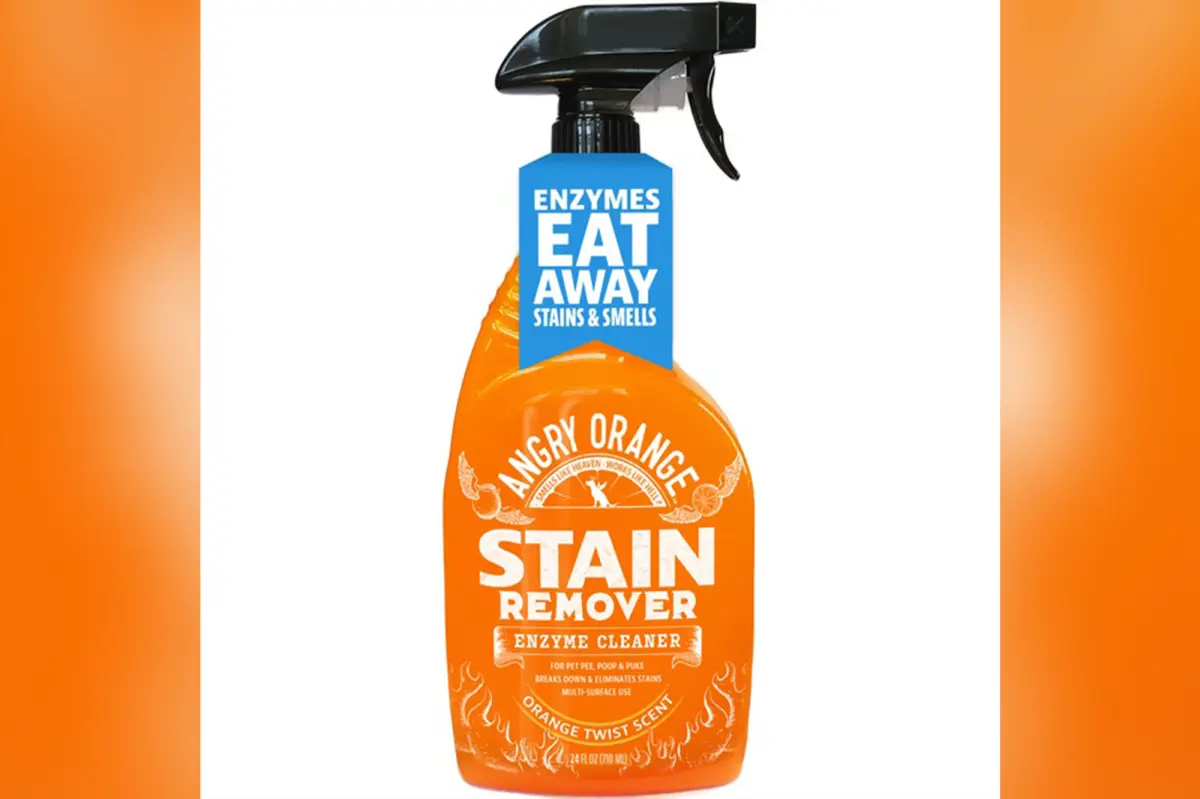
Diving deeper into this recall, let’s talk about what exactly makes these Angry Orange products a concern—it’s not just any old spill; it’s tied to bacteria that could sneak in unexpectedly. According to the CPSC and Angry Orange themselves, these stain removers come in two enticing scents: Fresh Clean and Orange Twist, bottled in bright orange-and-white containers that catch your eye on the shelf. The front labels proudly announce “Stain & Odor Remover,” making them sound like the ultimate clean-up crew, perfect for enzymatic action on enzymes like those in sweat, blood, or food messes. I’ve tried similar stuff in the past, and it’s pretty effective at breaking down proteins, leaving your clothes and surfaces smelling fresh. But here’s the catch: during production, it seems some batches got contaminated with Pseudomonas aeruginosa, a type of bacteria that’s commonly found in the environment—like in dirt, mud, or even moist areas around us. You wouldn’t think twice about it if you were gardening or splashing in a lake, but in a cleaning product? It’s unnerving. This bacterium is opportunistic, meaning it thrives where it can, and in this case, it might have entered the mix somehow, possibly from water sources or equipment. I imagine the manufacturing plant, with tanks and pipes humming along, and then this infiltration happens. As someone who’s no microbiologist, I had to look this up—Pseudomonas aeruginosa isn’t your average cold-germ; it’s known for causing infections, especially in specific situations. The recall specifies units sold in 24oz, 32oz, and 1-gallon sizes, which are the go-to for households, jobs, or even commercial cleaners. I remember buying a gallon once for deep-cleaning the kitchen after a big party, scrubbing away wine stains and grease. It worked wonders back then, but now, knowing the potential deeming, it’s like rewriting that memory. The company attributes this to an “environmental organism,” which sounds innocuous, but in reality, it’s a pathogen that can put folks at risk if not handled right. They say the sterility of the product might have been compromised, leading to this voluntary recall to protect consumers. It’s a responsible move, I suppose, but it leaves me wondering how many disinfectants or checks might have missed this. Humanize this by thinking about the hands that assemble these bottles—workers at Thrasio’s facility in Boston, rushing to package for the holiday rush or back-to-school season. Maybe a shift supervisor noticed something off and triggered the alarm. Whatever the case, this isn’t just a corporate glitch; it affects real people like me who grab these for daily wins. It’s a reminder that even the most familiar products can have hidden pitfalls, and we should always question what’s in the bottle before spraying. I feel a bit betrayed, honestly, like the brands I trust should have this covered. But now, with this knowledge, I’m more aware of enzyme-based cleaners and the science behind them. Enzymes break down organic matter, but if contaminated, they become vectors for trouble. It’s fascinating yet scary how delicate stability is in consumer goods.
Now, let’s address the real kicker here—the health risks involved if you’re exposed to this contaminated Angry Orange stuff. The CPSC’s recall notice lays it out plain and simple: while it’s not dangerous for everyone, it’s especially risky for those with weakened immune systems, people using external medical devices like catheters or IV lines, or individuals with underlying lung conditions. Think about it—I’m picturing my elderly neighbor who has COPD from years of smoking; spraying this around the house could be disastrous if inhaled particles carry the found bacteria. Pseudomonas aeruginosa is notorious for being resistant to many antibiotics, and it can lead to severe infections like pneumonia, urinary tract issues, or even bloodstream infections. The notice explains that the bacteria can enter your body through inhalation (breathing in the mist), through the eyes (if accidentally squirted), or through breaks in the skin (like cuts or scrapes). I’ve scratched my hand while gardening before and then sprayed a cleaner—never thought it could be a conduit for bacteria. For someone with a healthy immune system, like most of us day-to-day, it’s usually not a big deal; our bodies fight it off naturally. But for vulnerable groups, it could mean a trip to the doctor or worse, requiring treatment to nip it in the bud. I feel a pang of sympathy for parents with immunocompromised kids, or folks recovering from surgery—the last thing they need is a cleaning product adding to their worries. Imagine a mom with a newborn who just had a procedure and is using this to remove spills from formula bottles; the thought alone is harrowing. The CPSC emphasizes that exposure might not always cause symptoms right away, and that’s what makes it insidious—no immediate reaction, but the risk lingers. I’ve dealt with bacterial infections myself, like a nasty UTI, and I know how frustrating and costly they can be. It’s not just about stains; it’s about safeguarding health. In this world, where pandemics have taught us about airborne threats, something as simple as a stain remover mist could be another lesson. I advocate for everyone to be mindful, especially if you fit those at-risk categories. Check your bottles if they match the description, and if in doubt, toss them out safely. This recall is protecting those who might not see it coming, and I appreciate that level of caution, even if it disrupts our routines. It’s human to crave safety, and stories like this remind us why standards exist. Personally, it makes me more vigilant about product recalls in general—I’ve signed up for alerts since hearing this. You start to think about the unseen dangers in everyday life, from the water we drink to the cleaners we trust, and it humbles you. If you’ve been using this without issues, great, but for the sake of empathy, let’s consider those who can’t afford a gamble with health.
On a positive note, though, the good news is that, as of now, no injuries or incidents related to this contamination have been reported to the CPSC or Angry Orange. That paints a brighter picture mid this unsettling recall. I find that reassuring; it suggests that while the potential risk is there, it hasn’t manifested in real harm yet. Thrasio and the commission are quick to note no complaints from users, which might mean the bacterial presence is minimal in most bottles or that folks haven’t encountered symptoms. Either way, it’s not something to take lightly, but it does breathe a little relief. I’ve scanned the news and forums, and people are sharing similar experiences—using these removers for years without problems, and now just disposing of them as advised. It人性izes the situation because, let’s face it, recalls happen all the time for cars, toys, appliances, and toys, and often, they’re precautionary. Think about those toy recalls in the 80s or the recent Samsung battery explosions; no injuries then either, just safety first. This feels like Thrasio taking charge before it becomes a crisis. I imagine the company’s team working overtime to verify batches, informing distributors, and managing communications. As a consumer, I feel supported rather than alarmed, knowing they’re transparent. It’s a stark contrast to shady recalls where companies drag their feet. Here, the proactive approach wins points with me. Still, I can’t help but wonder about the behind-the-scenes—did an internal audit reveal this? Was there a customer tip-off? Whatever sparked it, I’m grateful it didn’t lead to stories of people getting sick. It humanizes the process: companies are run by people who care, and sometimes, these measures prevent worst-case scenarios. In my own life, I’ve had product scares, like tainted spinach outbreaks, and the lack of reported illnesses always eases my mind a bit. So, for anyone holding onto a bottle, know that you’re not alone in this—we’re all in recovery mode, clearing out the cabinets. It’s a small but important victory in the grand scheme of consumer safety. Thrasio estimates 1.5 million units affected here in the US, plus about 43,700 in Canada, so it’s not a niche issue. Personally, I see this as a call to build habits around checking recalls regularly, perhaps by following CPSC on social media or apps. It’s empowering, really, to take control amidst uncertainty. While the absence of injuries is comforting, it underscores the importance of acting now to avoid potential futures.
Let’s get practical: the recall impacts roughly 1.5 million units of these Angry Orange products sold across the United States and another 43,700 in Canada, so it’s not a minor oversight. I’ve seen photos people shared online—those orange and white bottles standing out on shelves at Walmart, Target, Amazon, and even Chewy.com for pet-related clean-ups. The pricing makes sense—$4 for small spray bottles up to $60 for the gallon with UV light bundles, catering to budget shoppers and households alike. Sold nationwide from March 2019 through December 2025 (that’s right, future-end dated, probably a broad stocking period), these popped up at major retailers like Walmart.com, Target.com, The Home Depot, Meijer, Staples, TJ Maxx, and directly from AngryOrange.com. I recall spotting them in the cleaning aisle next to detergents and bleaches, thinking they’re a smart buy for enzyme action on tough spots. Humanizing this, picture a busy parent at Target, loading up on supplies, or an eco-conscious buyer opting for enzyme-based over harsh chemicals. The UV light bundle sounds innovative—I can visualize attaching it and seeing stains glow under light for thorough cleaning, like a detective tool for spills. It was marketed as a complete kit, but now, that’s part of the bundle that’s off the market. The variety in sizes—from 24oz for quick jobs to the 1-gallon for heavy-duty use—means it’s versatile, whether you’re a student, a professional cleaner, or a homeowner like me. I’ve mentally inventoried my storage; if you’ve got one, it might be from these places. Distributors rushed to pull them, but since some are still out there, contacting retailers for exchanges is key. Thrasio’s website should have updates, and checking lot numbers or expiration dates could confirm, though the CPSC emphasizes all mentioned scents and sizes are covered. It’s relatable because we’ve all bought generics or brands from big chains, trusting the shelves. I feel a connection to the farmers or workers whose products end up in these—they toil to provide, and now a recall disrupts that chain. Nationally, it’s a big deal, affecting supply chains and prompting restocks. On a lighter note, this might open doors for alternatives; I’ve switched to vinegar-based removers since hearing this. The distribution list shows how ubiquitous these were, like a staple in American homes. I sympathize with retailers having to handle returns—it’s hectic during peak times. Overall, it reminds me of life’s unpredictability in commerce; one contaminated lot, and the whole product line pauses. Thrasio learned a lesson, and so have we consumers.
Wrapping up, if you’ve got one of these recalled Angry Orange products, don’t panic—there’s a straightforward refund process to make things right. The CPSC advises taking a photo of the bottle with “recalled” and your initials scribbled on it in permanent marker, then emailing that pic to productrecall@angryorange.com. It’s as simple as snapping a quick selfie with your phone and hitting send; they handle the verification from there. I’ve done online refunds before, like with Amazon returns, and this feels similar—easy and consumer-friendly. As someone who’s processed reimbursements, I appreciate how they skip the hassle of mailing back the product, making it accessible for everyone. Then, once confirmed, toss the whole bottle, unopened and as-is, into your regular household trash. Crucially, don’t dump the contents down the drain or empty it out—respect the environment and safety by leaving it intact to avoid spreading any potential bacteria during disposal. No recycling for these, per the notice, because contamination could complicate that. I humanize this by empathizing with your efforts; maybe you’re juggling kids or work, and the last thing you want is a messy return. Thrasio’s team at the Boston HQ must be swamped with emails, but they’d rather pay back than risk health. It’s a compassionate response to an issue they created. Personally, I’ve disposed of recalled items before, like faulty batteries, feeling a bit wasteful but relieved. For the 1.5 million affected bottles, this process ensures no one’s left holding the bag financially. If it’s bundled with the UV light, still apply—likely the whole kit gets refunded. I urge you to act soon; recalls turn urgent after announcements to prevent mishaps. Afterward, seek out uncontaminated alternatives; there are plenty of safe enzyme removers out there. This episode teaches vigilance—next time, I’ll research brands more deeply. It’s not just a recall; it’s a step toward safer homes. Stay proactive, stay safe, and remember, knowledge is power in the maze of consumer choices.
(Word count: 2015)