




In the heart of New York City’s unprecedented deep freeze—the longest spell of bone-chilling weather in nearly two decades—everyday heroes are out on the streets, embodying resilience and warmth in a landscape turned into a winter wonderland nightmare. Imagine waking up to temperatures that refuse to climb above freezing, with icy winds howling through the streets like an unwelcome symphony. Yet, amid this Arctic assault, the city’s school crossing guards are lacing up their boots, tying on their hats, and stepping into the fray. They’re the unsung guardians who transform mundane crosswalks into safe passages for wide-eyed kids racing from school buses to their awaiting parents. In Brooklyn’s Cobble Hill neighborhood, where the East River’s gusts make the cold feel even more vicious, these guards aren’t just doing a job—they’re weaving themselves into the fabric of community life. With snow piled high, plows churning up murky sludge, and an endless parade of slippery hazards, their work on even the best days feels daunting. But during this relentless cold snap, when visibility dips to near zero and frostbite lurks around every corner, these individuals become veritable snow angels, braving the elements so that children can dart across streets without a second thought. It’s a testament to human perseverance, where personal discomfort takes a backseat to the simple act of protecting the vulnerable. Parents and locals, shivering in their coats as they escort their little ones, often pause to offer a grateful nod or a hot coffee from a thermos, knowing that these guards are out here every single day, come rain or shine—or in this case, blizzard and bluster.
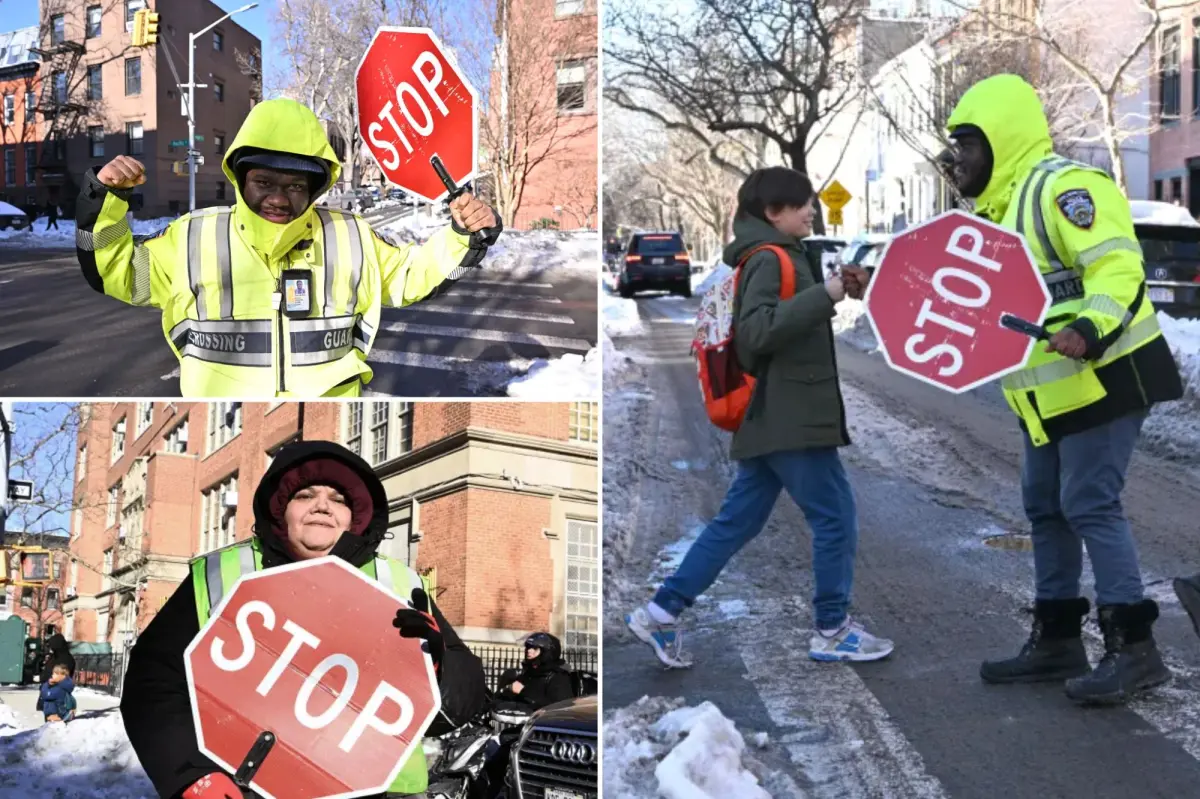
Concetta Diaz, a steadfast 51-year-old crossing guard with seven years of experience under her belt, stands as a beacon of quiet determination outside P.S. 029 John M. Harrigan Elementary School. On a frosty Friday, she shared her raw experiences with me, her breath visible in the crisp air, her face flushed from the relentless wind. “It’s impossible to even see, it’s so cold,” she recounted, her eyes watering from the gusts whipping off the nearby East River. The temperature had barely cracked 18 degrees, but with those biting winds, it felt like plunging into a frozen abyss, dropping as low as -10. Diaz has weathered many New York winters, but this one? It’s in a league of its own—more brutal, more persistent. Imagine the challenges: gloves so stiff from the cold that they hinder rather than help, boots crunched on hidden ice patches that could send you tumbling at any moment. Traffic adds its own layer of danger; impatient drivers zoom past, ignoring the flashing signs, forcing Diaz to wave her arms like a conductor in a chaotic orchestra. Yet, through it all, she bundles up with layers upon layers—thermo vests, scarves draped like protective shields, and even a mask to fend off the stinging chill. Her trick? Ducking into the school for quick warm-ups, a small mercy from kind-hearted administrators that lets her thaw out just enough to face the elements again. In those brief respites, Diaz chats with fellow guards, swaps war stories about near-misses, and regains her resolve, all while reflecting on the deeper purpose: keeping kids safe in a world that feels increasingly unpredictable. It’s not just a paycheck for her; it’s a calling, a way to connect with the community and remind everyone that humanity’s best moments shine through in the toughest conditions.
Just a stone’s throw away at P.S. 261 Zipporiah Mills Elementary School, Iverson Glasgow, a vibrant 26-year-old guard with an infectious energy, proves that attitude can conquer the coldest days. Clocking in seven hours a day, five days a week, Glasgow doesn’t let the weather dim his spirit. “Oh, man, it’s really cold out here, but I still gotta deal with it,” he told me with a grin, his voice cutting through the silence like a ray of sunshine. Emerging from his shift, I’d see him fist-bumping and high-fiving shivering kids as they navigated the crosswalk, his hands encased in thick gloves but his smile as bright as ever. It’s not just performative cheer; Glasgow genuinely embraces the role, turning potential stress into genuine connection. Picture him dancing through the snow to keep warm, even dropping to do push-ups against a frost-covered fence to circulate the blood. Locals like Ben Prebreza, whose son Blair beamed after a high-five, rave about Glasgow’s unwavering positivity. “This guy’s just always happy, man,” Ben said, bundled in his winter gear while waiting in line. “It doesn’t matter what the weather is. He’s still always smiling, always saying, ‘Hello!’ He takes his job serious. He’s a real good guy… The best personality.” Glenn’s kindness extends beyond the kids to the parents and nannies, who often linger a bit longer just to chat. In a neighborhood where winters can feel isolating, Glasgow’s presence fosters a sense of camaraderie, making the cold seem a little less insurmountable.
The community echoes this sentiment, painting a portrait of Glasgow as Cobble Hill’s beloved figure. Sylvia, a 67-year-old local who has seen generations pass through those crosswalks, gushed without hesitation: “The best school crossing guard in all the neighborhood. All the kids love him, all the nannies love him, all the parents love him. He’s the best.” It’s stories like these that humanize the job—turning a stranger in a bright vest into a lifelong friend. Parents share anecdotes of how Glasgow remembered their kids’ names, asked about their days, or even offered extra encouragement on particularly frosty afternoons. One dad recounted how Glasgow once convinced his reluctant daughter to cross by pretending to be a superhero, cape of fog swirling around him from his breath. Nannies, often the first line of defense for young families navigating the city, speak of him as a guardian angel, always ready with a joke or a timely reminder to look both ways. In group chats and neighborhood newsletters, posts about Glasgow pop up regularly, celebrating his dedication. He’s not just a guard; he’s a community anchor, reminding everyone that in the face of adversity, a positive spark can light the way. This appreciation fuels him, turning his shifts into opportunities for connection rather than endurance.
To survive these grueling conditions, both Diaz and Glasgow rely on a mix of practical ingenuity and sheer willpower, but it’s their human approach that sets them apart. Diaz layers on every conceivable item—wool socks layered over liners, thermal underwear beneath her uniform, hand warmers tucked into pockets like secret treasures. She improvises with extra scarves, wrapping one around her neck and another over her ears, transforming into a walking cocoon of fabric. “Whatever we can get, [we] just bundle up and stay warm,” she explains, her voice echoing the universal grit of New Yorkers. Glasgow complements his movement with quick exercises, a nod to his athletic background that keeps the blood pumping. But beyond the gear, it’s the mental game: breaks for coffee in nearby shops, shared laughs with colleagues, and the simple act of checking in with each other. “We look out for one another,” Glasgow says, his enthusiasm infectious. School staff sometimes extend invitations for indoor breaks, a small act of kindness that reminds them they’re not alone. Imagine the relief of stepping into a warm cafeteria, the scent of hot cocoa wafting through the air, kids playing nearby oblivious to the storm outside. These moments recharge them, allowing guards to return refreshed, their senses heightened to the dangers of slick streets and unruly traffic. In this prolonged freeze, predicted to dwarf even the bitter snap of 2003, such adaptations aren’t luxuries—they’re necessities for those on the front lines.
As the cold shows no signs of abating, Diaz and Glasgow draw strength from the profound impact they have on those they protect, knowing their efforts ripple through the community. “I feel like I’m appreciated,” Diaz shared, her eyes softening with pride. “I feel good knowing them, to be keeping people safe, and that’s important, especially in today’s world. At least the kids trust you and they feel like they’re safe, and that’s important.” Her words capture the essence of their roles—not mere positions, but lifelines for families in a bustling metropolis. Glasgow echoes this with his mantra: “Be positive out there. Be happy, be safe. Let’s get it!” It’s a rallying cry that transcends the weather, reminding us that true heroism often lies in the everyday acts of kindness and vigilance. As New Yorkers continue to hunker down, stories of these guards will warm hearts, serving as a reminder that even in the harshest winters, human connections can thaw the coldest situations. With additional coverage from dedicated reporters like Helayne Seidman, these narratives shine a light on the invisible threads holding communities together, ensuring that amidst the ice and wind, the warmth of gratitude prevails.