

The Natural Connection: Steven Rinella on Wild Food, Health, and the Outdoors
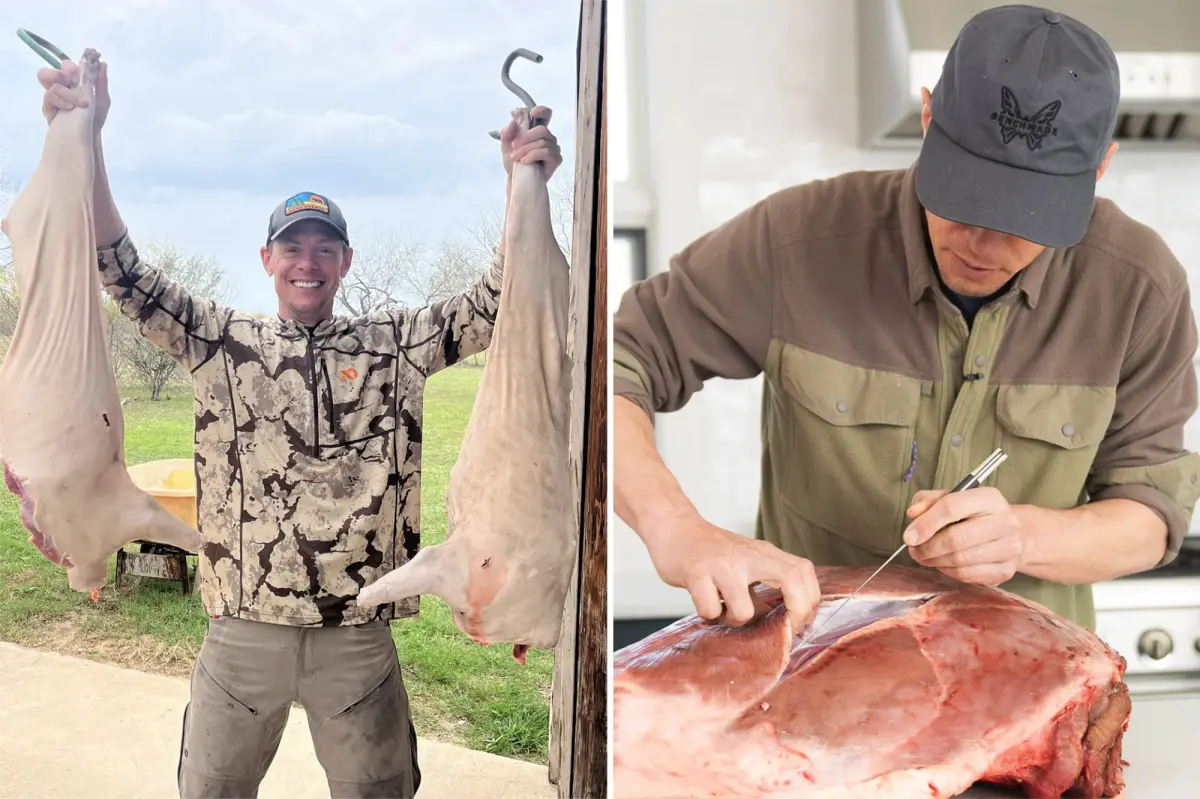
In an era when Americans find themselves increasingly entangled in complex dietary debates, Montana’s Steven Rinella offers a refreshingly straightforward approach to healthy eating: “Go outside and get your food.” The renowned cookbook author and host of the hunting show “MeatEater” champions a lifestyle where nutrition, physical activity, and connection with the natural world are seamlessly integrated. His philosophy, now collected in a boxed set combining his popular works “The MeatEater Fish and Game Cookbook” and “The MeatEater Outdoor Cookbook,” presents a holistic view of nourishment that transcends conventional dietary thinking. “The act of going and getting it is time spent outdoors being physically active,” Rinella explained in a recent Fox News Digital interview. “Just the pursuit of the ingredients is some of the best exercise you can get.” This perspective doesn’t merely reframe hunting and fishing as food procurement methods but positions them as fundamental components of human wellness – activities that naturally combine nutrition, exercise, and environmental engagement in ways that modern food systems often separate.
Wild game stands at the heart of Rinella’s nutritional philosophy, though he acknowledges he’s not pioneering a revolutionary concept but rather reconnecting with humanity’s oldest dietary tradition. “I’d say it’s the healthiest food,” he states with conviction, noting that these protein sources “powered human beings for tens of thousands of years.” What distinguishes wild game in today’s food landscape is its natural leanness and complete traceability – qualities increasingly valued by health-conscious consumers but rarely achievable with conventional supermarket options. In Rinella’s household, food transparency isn’t merely a preference but a guiding principle: “When we eat, we eat stuff where you look, and you can tell where it came from – that it grew out of the ground, that it came off an animal.” While emphasizing these benefits, he remains practical about safety considerations, acknowledging the importance of proper cooking temperatures to prevent foodborne illness, with guidelines varying from 145°F for most game meats to 165°F for wild poultry, as recommended by the CDC.
The physical dimension of food procurement represents another cornerstone of Rinella’s approach to healthy living. Unlike the passive experience of grocery shopping, hunting and fishing demand engagement with the landscape, physical exertion, and sustained attention – elements increasingly recognized as vital to both physical and mental well-being. “Getting our ingredients involves rigorous exercise and time outside,” Rinella explains, adding, “I can never decouple those things.” This integration of food sourcing with physical activity creates a natural fitness regimen embedded within a purposeful activity, contrasting sharply with compartmentalized approaches to exercise that separate physical movement from daily necessities. For Rinella, the pursuit of food and the pursuit of fitness aren’t separate endeavors but aspects of a unified lifestyle where health emerges naturally from engagement with the environment rather than from calculated dietary regimens or structured workout routines.
Cooking wild game presents distinct challenges that Rinella reframes as opportunities for deeper culinary engagement. The lean nature of most wild proteins requires more attentive preparation than their domesticated counterparts, demanding that cooks develop nuanced techniques and greater sensitivity to cooking times and methods. “If you’re cooking wild game, and you don’t like it, there’s one of two problems,” he observes pragmatically. “You’re cooking it too long, or you’re not cooking it long enough.” This necessary attention to detail encourages a more mindful approach to food preparation, where recipes become flexible guidelines rather than rigid instructions, and cooking becomes responsive to the particular characteristics of each ingredient. “You can’t use the same chicken and beef playbook,” Rinella cautions, suggesting that this adaptive approach to cooking not only produces better results with wild game but fosters a more engaged relationship with food preparation generally, emphasizing from-scratch methods that connect cooks more intimately with their ingredients.
The outdoor component of Rinella’s philosophy extends beyond hunting and fishing to embrace cooking itself as an activity best enjoyed in natural settings. This approach transforms meal preparation from a domestic chore into an extension of outdoor experience, where cooking becomes part of a continuous engagement with the natural world rather than a retreat from it. Whether over a backyard grill or a remote campfire, outdoor cooking creates opportunities for social connection in natural environments, combining nutritional sustenance with experiential richness. The sensory experiences of cooking outdoors – managing fire, adapting to weather conditions, responding to the immediate environment – add dimensions to food preparation that indoor cooking rarely provides, creating memorable experiences that enhance the perceived value and satisfaction derived from meals.
Ultimately, what Rinella advocates isn’t simply a dietary choice but a comprehensive lifestyle that integrates food, activity, and environment into a cohesive approach to well-being. “It’s a lifestyle of engaging with nature, being outside, being with people you love, being with your friends, being with your family and making food from the ground up,” he explains, capturing the holistic nature of his philosophy. “That whole package feels very good. If you try it, you realize this is healthy living.” This perspective offers a compelling alternative to fragmented approaches to health that treat nutrition, exercise, and environmental connection as separate domains requiring individual optimization. Instead, Rinella suggests that true wellness emerges naturally from a lifestyle where these elements are harmoniously integrated through the fundamental human activities of procuring, preparing, and sharing food. In an age of increasing disconnection from food sources and natural environments, his approach represents not a step backward to primitive living but a thoughtful integration of traditional practices with contemporary understanding of health and well-being.