






McDonald’s in Minneapolis Takes Drastic Measures to Combat Rising Crime
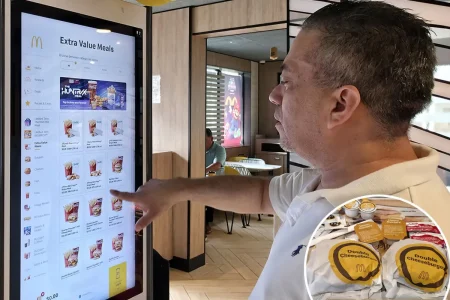
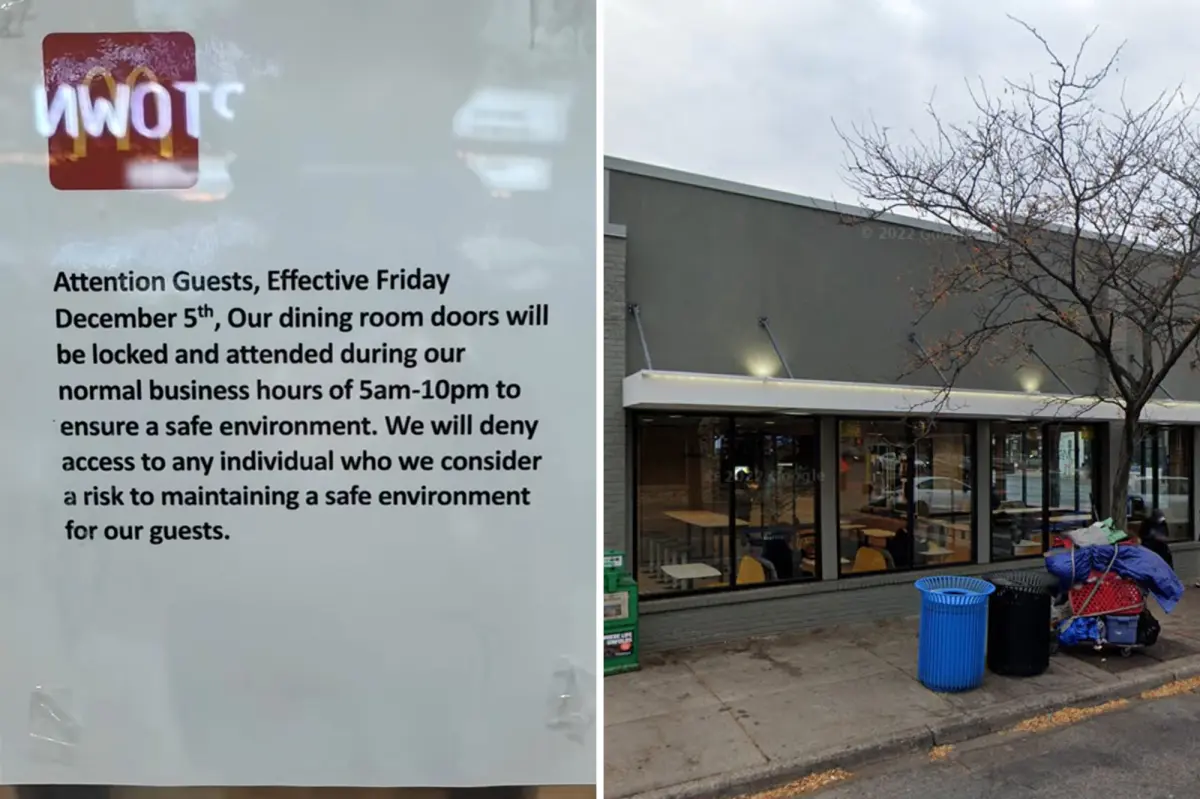
In a bold move that underscores the growing concern over public safety in Minneapolis, a local McDonald’s restaurant has implemented stringent security measures to protect both staff and customers. The Uptown McDonald’s location, which has been a community staple for over three decades, recently posted a notice informing guests that dining room doors will now be locked and monitored during business hours. This decision has sparked renewed discussion about the broader issue of crime in the area and reflects the challenges faced by businesses trying to maintain welcoming environments in changing urban landscapes.
“We will deny access to any individual who we consider a risk to maintaining a safe environment for our guests,” states the notice prominently displayed on the restaurant’s door. Mike Darula, the franchise’s local owner and operator, confirmed the policy change in a statement to Fox News Digital, explaining that these enhanced security measures were implemented after struggling with ongoing trespassing issues. What makes this situation particularly noteworthy is that the restaurant attempted community-based solutions before resorting to the locked-door policy, highlighting the complexity of addressing safety concerns while remaining accessible to legitimate customers. This McDonald’s is just one of eleven locations in Minneapolis, standing in contrast to the over 13,500 restaurants the chain operates nationwide.
The decision comes against a troubling backdrop of crime statistics in Minneapolis. According to police data, the city has recorded 4,473 violent crimes in the current fiscal year, including 2,839 cases of aggravated assault and 65 homicides. These numbers paint a picture of a community grappling with serious safety issues, forcing businesses to make difficult choices about how to operate. The viral nature of the McDonald’s notice has amplified conversations about urban safety, with many residents expressing both understanding for the restaurant’s position and concern about what it represents for their community. The contrast between a fast-food restaurant—typically a symbol of accessibility and everyday American life—being forced to operate with controlled entry speaks volumes about the perceived deterioration of public safety.
This local situation reflects broader national debates about crime, policing, and community safety. For many business owners in urban areas across the country, the challenge of balancing hospitality with security has become increasingly difficult. The McDonald’s in Uptown Minneapolis represents a microcosm of these tensions—a business that wants to serve its community but feels compelled to implement measures that fundamentally change the customer experience. The restaurant’s approach raises important questions about responsibility: Is it primarily the role of individual businesses to secure their premises, or should there be more effective systemic solutions to address the root causes of urban crime? The controlled access policy also potentially impacts different community members in different ways, raising concerns about equity and access.
Meanwhile, law enforcement has been taking its own steps to address crime in the region. The U.S. Department of Homeland Security has launched Operation Metro Surge in the Twin Cities metropolitan area, recently arresting approximately a dozen individuals described as “child sex offenders, domestic abusers and violent gang members.” DHS Assistant Secretary Tricia McLaughlin emphasized the operation’s focus, stating, “ICE law enforcement are risking their lives to protect Minnesotans… No matter when and where, ICE will find, arrest and deport ALL criminal illegal aliens.” This federal intervention represents another dimension of the community safety discussion, with authorities pursuing targeted enforcement actions against specific categories of offenders.
The situation at the Uptown McDonald’s ultimately serves as a poignant symbol of community transformation and adaptation in the face of perceived danger. For longtime residents, seeing a familiar establishment resort to such measures may feel like a troubling indicator of neighborhood decline. Yet from the business perspective, these changes represent a necessary evolution to continue serving the community safely. As cities nationwide confront similar challenges around public safety and business viability, the lessons from this Minneapolis McDonald’s may prove instructive. The restaurant’s experience demonstrates that maintaining safe, welcoming public spaces often requires difficult compromises, creative problem-solving, and ongoing dialogue between businesses, residents, and public officials. Whether this represents a temporary adjustment or a new normal for urban businesses remains to be seen, but it certainly highlights the complex interplay between commerce, community, and safety in America’s changing urban landscapes.