






When a Rodent Takes Flight: KLM Passengers Experience Unexpected Travel Companion
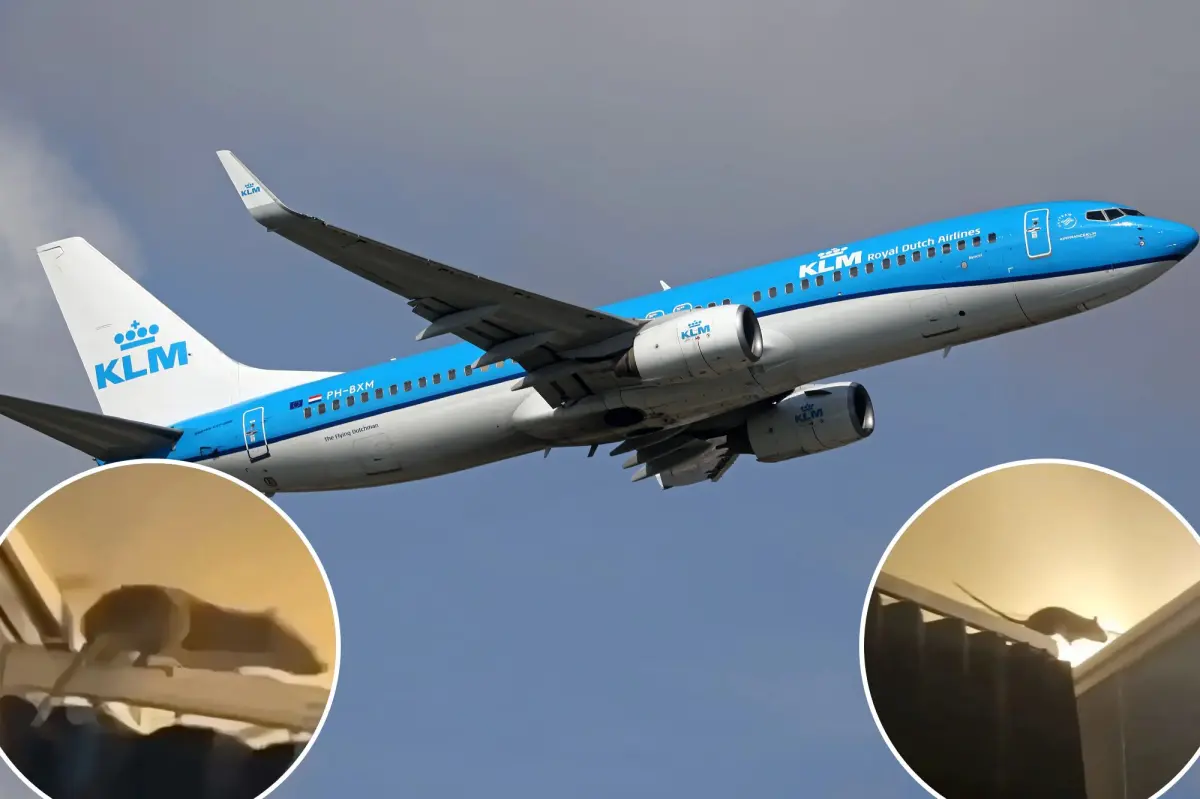
In an unusual turn of events that sounds like the premise of a comedy film, KLM passengers headed for a Caribbean vacation recently found themselves sharing their flight with an uninvited guest—a rat. The December 10th flight from Amsterdam to Aruba became the setting for this unexpected drama when passengers spotted a rodent scurrying through the cabin, causing understandable alarm among those on board. “Very unfortunate for the passengers who had to experience this,” a KLM representative told Dutch news outlet RTL News, in what might be the understatement of the year.
The scene, captured on video that has since gone viral, shows the furry stowaway clambering along a cabin rail while shocked passengers react with a mixture of surprise and dismay. One can imagine the collective gasp as travelers noticed the small creature navigating the aircraft interior with surprising agility. The moment transformed what should have been a routine flight into a memorable, if unwanted, experience. Despite the potential for panic, reports indicate that passengers maintained their composure throughout the ordeal, with airline staff monitoring the animal’s movements to ensure safety.
What makes this situation particularly challenging was the timing of the discovery—the rat was spotted while the aircraft was already over the ocean. This left the pilot with no choice but to continue the journey to Aruba rather than turning back. Upon arrival, KLM took immediate action, removing the Airbus A330 from service for a thorough cleaning and inspection. The airline spokesperson offered some reassurance to concerned travelers, noting that “The animal also didn’t come near the food,” a small comfort for passengers who had shared their cabin with a rodent for several hours.
The incident created logistical challenges beyond just the unexpected travel companion. Passengers found their travel plans disrupted as the aircraft required servicing, with KLM providing overnight accommodations while scrambling to arrange alternative flights. The airline’s response highlights the complex ripple effects that can occur from what seems like a small issue—in this case, quite literally small. For travelers planning to continue to Bonaire, the rodent interloper meant an unplanned extension to their stay in Aruba, a paradise delay that probably wasn’t appreciated under the circumstances.
How the rat managed to board the international flight remains a mystery. Airports and aircraft typically maintain strict cleanliness standards and inspection protocols designed to prevent exactly this type of situation. The incident raises questions about how such breaches can occur despite these measures. Rodents pose more than just a hygiene concern in an aviation context—they can potentially chew through critical wiring, creating fire hazards or causing system malfunctions in the worst-case scenarios. These risks make the situation more serious than it might initially appear to casual observers.
This isn’t the first time passengers have had to contend with rodent travelers. Earlier in 2024, Spirit Airlines passengers witnessed a similar situation on a domestic flight from Dallas to Los Angeles when a rat was spotted running above an overhead bin. These incidents, while rare in the context of millions of flights operating annually, serve as reminders of the unpredictable nature of air travel and the unique challenges faced by airlines in maintaining completely rodent-free environments. For now, KLM passengers have returned home with a vacation story few others can match—the time when their Caribbean getaway began with an unexpected game of aerial hide-and-seek with a furry fugitive. Perhaps next time they’ll check if “rata-flew-ie” is on the in-flight entertainment menu before boarding.